Factories and warehouses are not the first places you think of when it comes to grounds maintenance. Most of the focus is on what happens inside — production, logistics, storage. But the external areas of an industrial premises need regular attention too, and neglecting them can create real problems.
County Louth has a strong manufacturing and logistics sector, with industrial estates and individual sites spread across Dundalk, Drogheda, Ardee, and the surrounding areas. We have worked on grounds maintenance for many of these sites over the years, and the challenges are consistent. Here is what factory and warehouse operators need to know about keeping their grounds in order.
Why Industrial Grounds Maintenance Matters
Health and Safety
This is the big one. Industrial sites have legal obligations under the Safety, Health and Welfare at Work Act 2005 to maintain safe premises. This includes the external areas. Overgrown vegetation can obscure signage, block sightlines for vehicle movements, and create trip hazards. Uncontrolled weed growth can damage paving and create uneven surfaces. Overhanging branches can interfere with delivery vehicles.
A slip, trip, or fall in the car park or yard can result in an injury claim, lost working days, and an investigation by the Health and Safety Authority. Regular grounds maintenance reduces these risks significantly.
Insurance and Compliance
Many insurance policies include conditions about maintaining the premises to a reasonable standard. If an incident occurs on poorly maintained grounds, your insurer may challenge a claim. Keeping the external areas in good condition protects your business from this risk.
Some industrial sites also operate under environmental licences or planning conditions that include requirements for landscaping and grounds maintenance. Failing to meet these conditions can result in enforcement action.
Business Image
Even if your customers never visit your factory or warehouse, your staff do every day. A well-maintained site creates a better working environment and sends a message that the company cares about standards. And for those businesses that do receive visitors — suppliers, auditors, potential customers — the condition of the grounds contributes to their impression of the operation.
What Industrial Grounds Maintenance Includes
Industrial sites have different needs from office parks or retail premises. Here is what a typical maintenance programme covers.
Grass and Vegetation Management
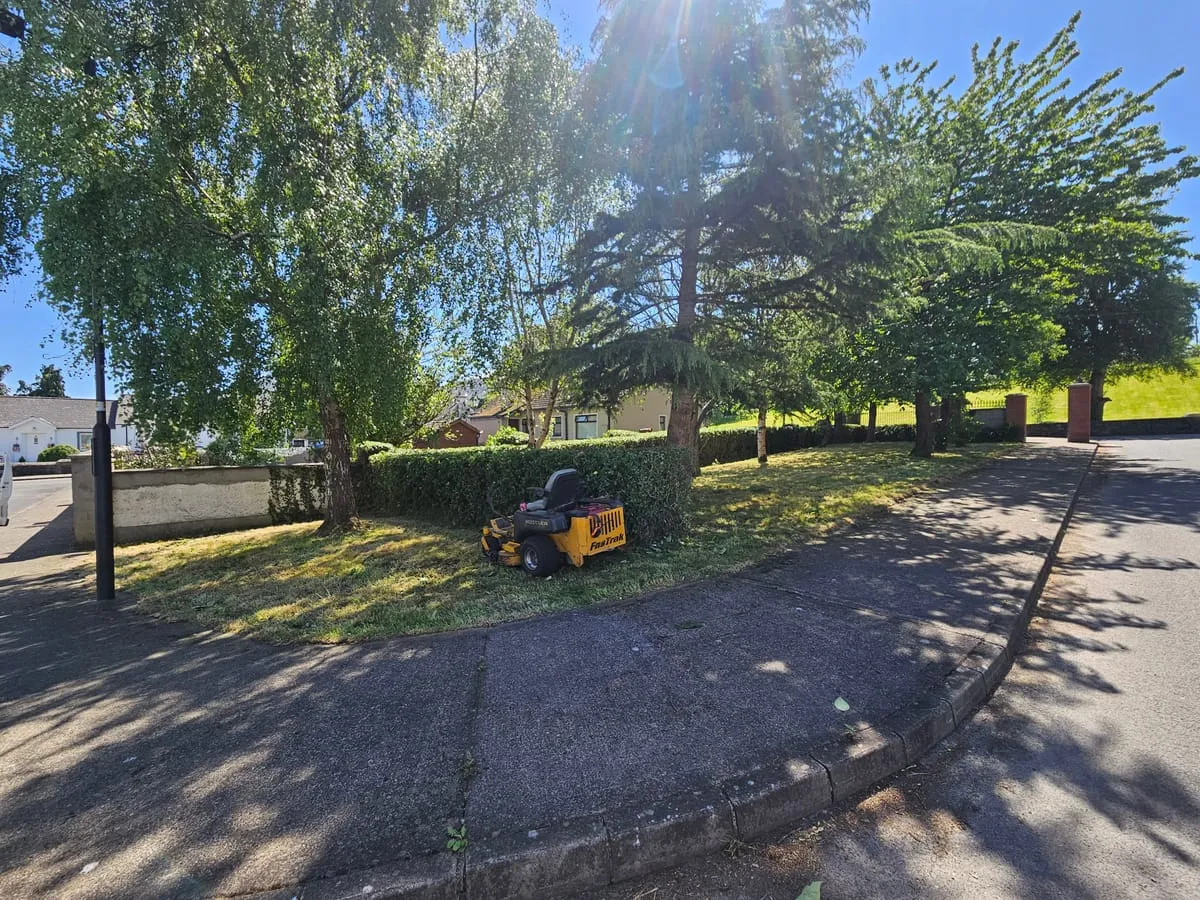
Most industrial sites have grass areas around the perimeter, along boundaries, and in verges. These need regular cutting during the growing season. On some sites, there are also landscaped areas, embankments, or buffer zones that require maintenance.
The key priorities are keeping grass short enough that it does not encroach on operational areas, maintaining clear sightlines for vehicles, and preventing vegetation from interfering with fencing, gates, and signage.
Weed Control
Weeds are a persistent problem on industrial sites. They grow through paving in yards, car parks, and loading bays. They establish in gravel areas, along kerbs, and at the base of fencing. Left unchecked, they cause damage to hard surfaces and make the site look neglected.
Regular weed treatment — typically two to three applications per year — keeps weeds under control and protects hard surfaces from root damage.
Hedge and perimeter Maintenance
Many industrial sites have hedge boundaries, either for screening, security, or as a condition of planning permission. These need trimming at least twice a year to stay manageable and effective.
Fence lines also need attention. Vegetation growing into or over fencing weakens the structure, creates security gaps, and can cause damage that is expensive to repair.
Tree Management
Trees on industrial sites can become a liability if they are not managed properly. Overhanging branches can interfere with high vehicles, damage buildings, or drop debris into yards. Diseased or structurally compromised trees can fall, causing damage to property or injury to people.
Annual tree inspections and proactive management are essential. Any trees near buildings, power lines, or vehicle routes should be assessed regularly by a qualified professional.
Hard Surface Maintenance
Yards, loading bays, car parks, and pathways accumulate dirt, oil, debris, and organic growth. Regular sweeping and periodic pressure washing keep these surfaces safe and presentable. Moss and algae on paths and car parks are a particular hazard during autumn and winter.
Litter and Fly-Tipping
Industrial sites, particularly those on the edges of towns, can attract fly-tipping if the grounds look neglected. Regular maintenance and a tidy appearance discourage this. Any dumped waste should be cleared and reported promptly.
Scheduling Maintenance Around Operations
One of the key differences between industrial grounds maintenance and other commercial work is the need to work around ongoing operations. Delivery schedules, shift patterns, and health and safety requirements on site all affect when and how grounds work can be carried out.
Working Safely on Industrial Sites
Professional grounds maintenance teams working on industrial sites need to be aware of:
- Vehicle movements — HGVs, forklifts, and other site traffic create hazards that do not exist on other commercial properties
- Restricted areas — some parts of the site may have access restrictions
- Site-specific inductions — many factories and warehouses require contractors to complete a site induction before starting work
- PPE requirements — high-visibility clothing and safety footwear are typically minimum requirements
A good grounds maintenance company will work with you to schedule visits that minimise disruption to operations while keeping the grounds in good order.
Recommended Maintenance Schedule
| Task | Frequency |
|---|---|
| Grass cutting | Weekly to fortnightly (March — October) |
| Weed treatment | 2-3 times per year |
| Hedge trimming | 2-3 times per year |
| Tree inspection | Annual |
| Hard surface cleaning | 1-2 times per year |
| Litter clearance | As part of each maintenance visit |
| Drain and gully clearing | Twice per year minimum |
Getting the Most From Your Maintenance Budget
Industrial grounds maintenance does not have to be expensive. A regular, planned programme costs far less than dealing with problems after they have developed. Here are some tips for getting good value:
- Choose a regular contract over ad-hoc visits — it costs less per visit and ensures the work happens on schedule
- Prioritise high-impact areas — entrances, car parks, and visible boundaries first
- Address problems early — a weed problem dealt with in spring is much cheaper than one tackled in midsummer
- Combine services — if the same company handles your grass, hedges, and weed control, there are efficiencies
Professional Industrial Grounds Maintenance in County Louth
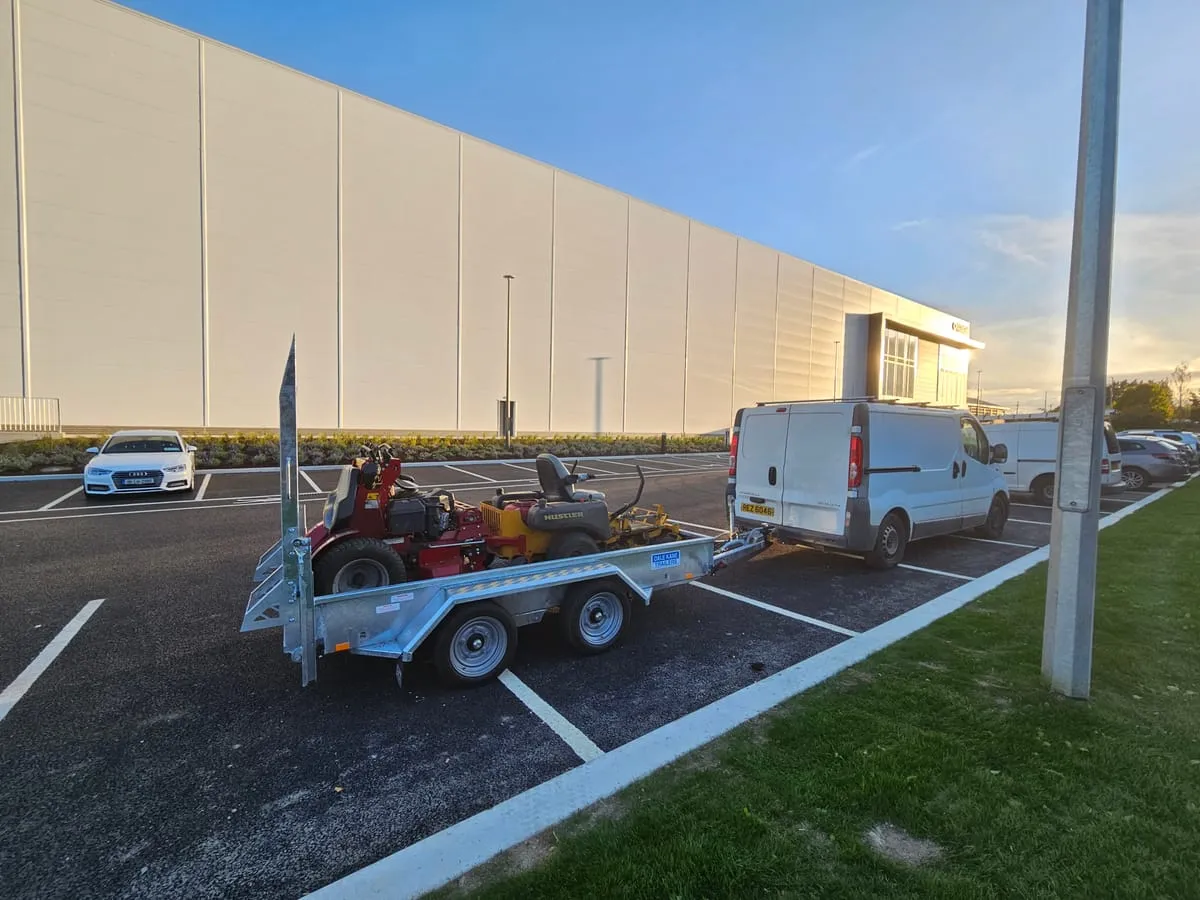
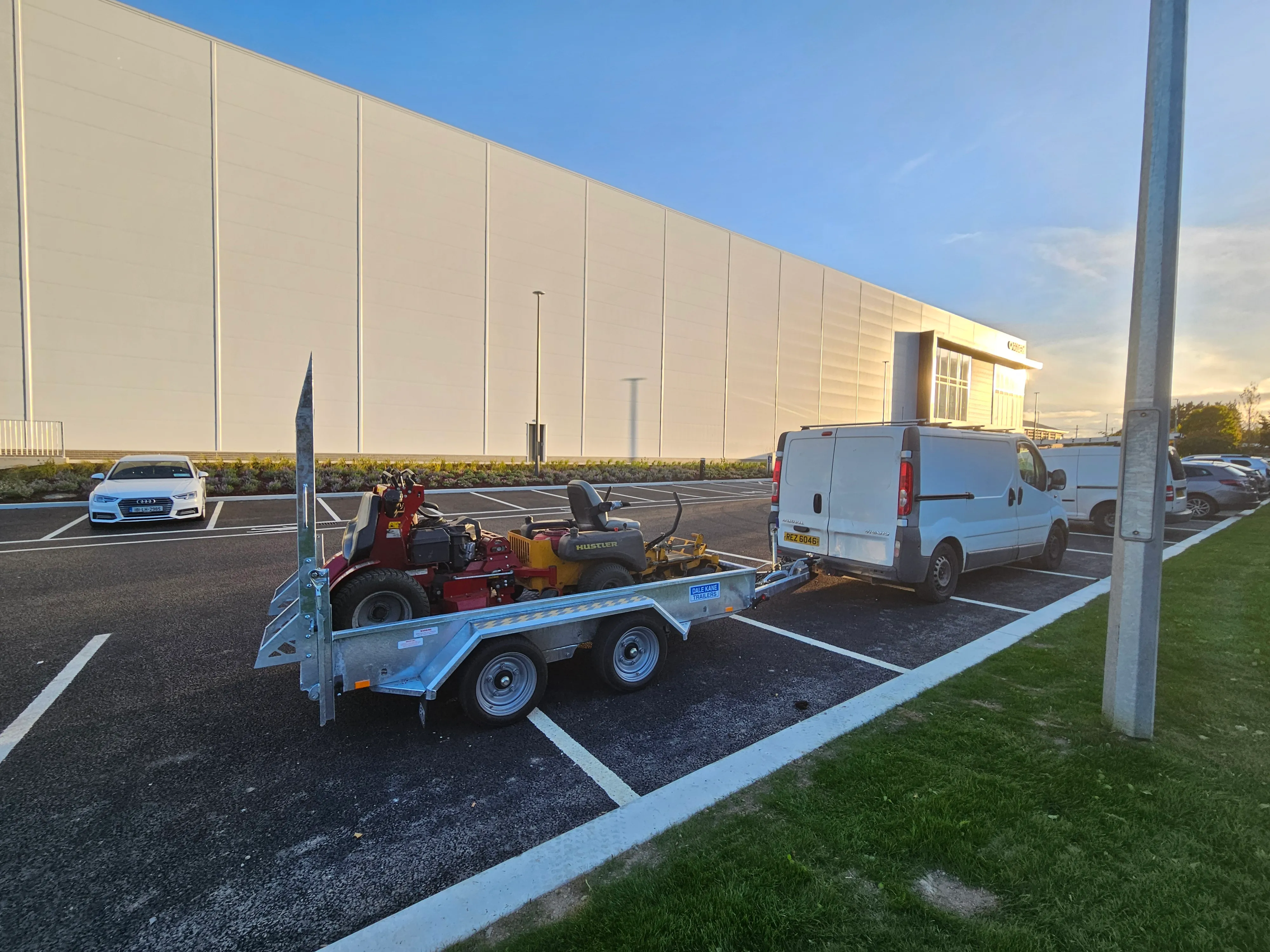
Seamus and Pete at Gardening Services Dundalk have been maintaining industrial and commercial grounds across County Louth for over 35 years. We understand the specific challenges of factory and warehouse sites, from working safely around operations to meeting compliance requirements.
Whether you need a regular scheduled maintenance programme or help bringing a neglected site back up to standard, we can help. Call us on 085 168 5170 for a free site assessment and quote. We will work around your schedule and deliver a service that keeps your site safe, tidy, and professional-looking all year round.