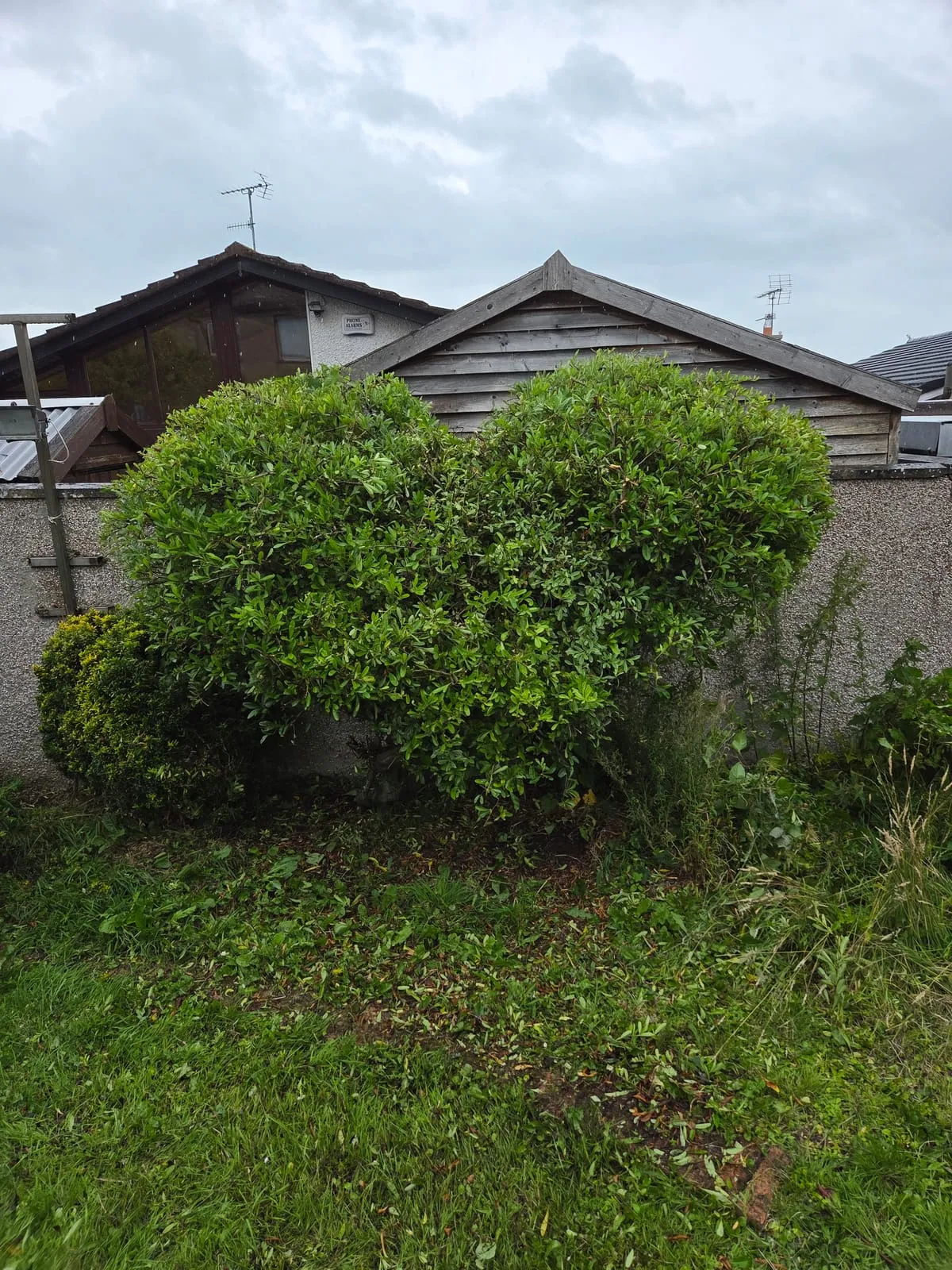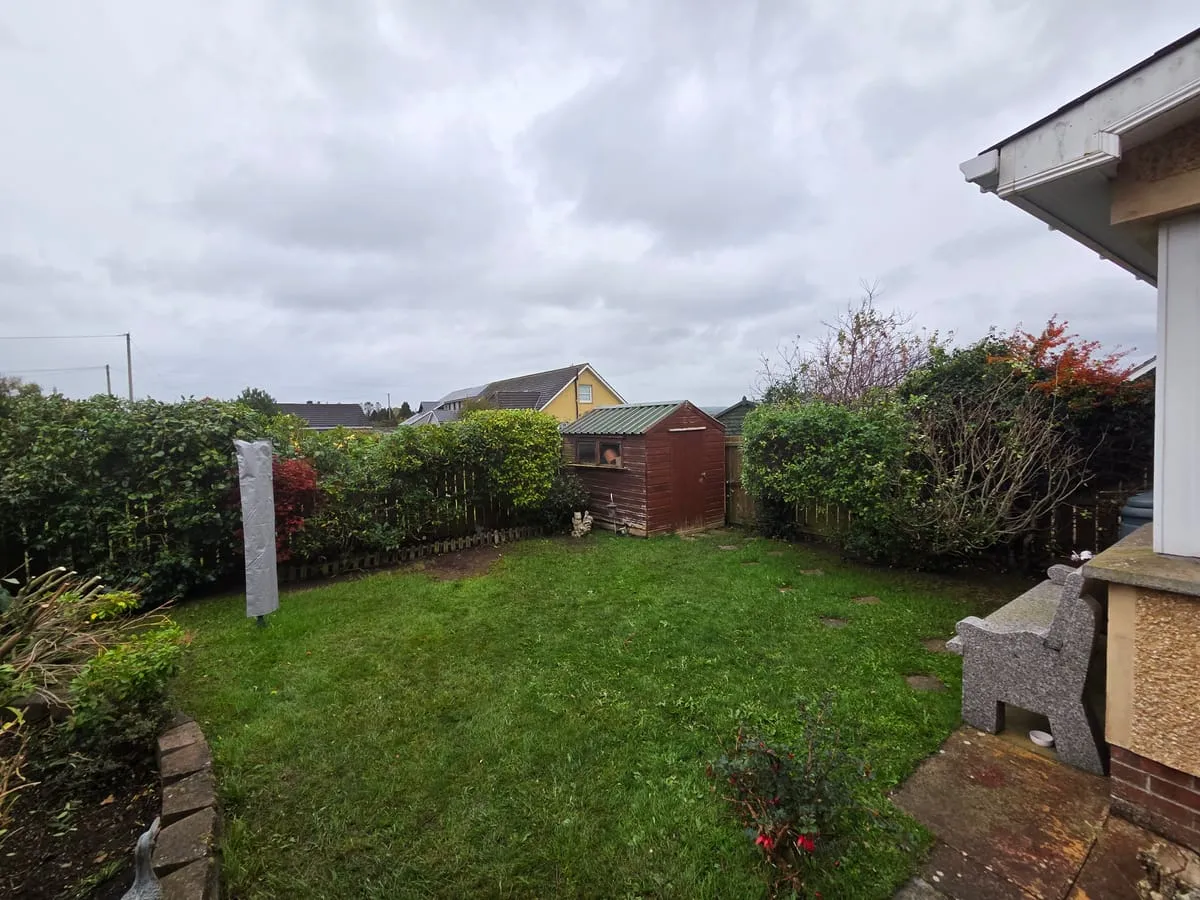
If you have ever been told “you cannot cut that hedge, it is nesting season,” you have probably wondered what the actual rules are. When can you legally cut hedges in Ireland? What are the penalties if you get it wrong? And does the law apply to the privet hedge in your front garden?
These are questions we hear all the time from homeowners across Dundalk and County Louth. The rules are not complicated once you understand them, but there is a fair bit of confusion out there. Here is the full picture, explained in plain language.
The Law: Wildlife Act 1976 (as amended 2000)
The key piece of legislation is the Wildlife Act 1976, which was amended in 2000 and again in subsequent years. Under Section 40, it is an offence to cut, grub, burn, or otherwise destroy any vegetation growing on uncultivated land, or any hedge or ditch growing on land that is not cultivated, during the restricted period.
The Restricted Period
The restricted period runs from 1st March to 31st August each year. During these months, it is illegal to cut hedgerows in the wider countryside. The purpose of this restriction is to protect nesting birds and other wildlife that depend on hedgerows during the breeding season.
What Does This Mean in Practice?
For roadside hedges, field boundaries, and hedgerows in the wider countryside, you cannot cut them between 1st March and 31st August. Full stop. This applies to farmers, landowners, local authorities, and anyone else managing these hedges.
For domestic garden hedges, the situation is different, and this is where most of the confusion lies.
Are Garden Hedges Exempt?
Yes, in most cases. The Wildlife Act restriction applies primarily to vegetation on uncultivated land and hedgerows in the broader countryside. A hedge in your front or back garden is generally considered to be on cultivated land, and domestic garden hedges are typically exempt from the March-to-August restriction.
However, there is an important caveat: you must not disturb nesting birds regardless of when or where you cut. Under the Wildlife Act, it is always an offence to intentionally or recklessly destroy or disturb the nest of any wild bird. So even if your garden hedge is technically exempt from the seasonal restriction, you should always check for active nests before trimming.
The Practical Approach
Before trimming any hedge between March and August, even in your own garden:
- Walk along the hedge and look for signs of nesting activity
- Watch for birds entering and leaving the hedge repeatedly
- Listen for the sound of chicks
- Check inside the hedge gently where you can see without disturbing anything
If you find a nest, leave that section alone until the chicks have fledged. Most Irish garden birds (robins, blackbirds, wrens, thrushes) fledge within 2-4 weeks of hatching.
Exemptions to the Restricted Period
There are a number of exemptions written into the Act that allow hedge cutting during the restricted period in certain circumstances:
1. Road Safety
Local authorities and landowners can cut hedges along public roads during the restricted period where the hedge poses a danger to road users by obstructing visibility. This is probably the most commonly used exemption.
2. Health and Safety
If a hedge is causing a genuine health and safety risk, for example obstructing a footpath, blocking a sightline at a junction, or encroaching on power lines, it may be cut during the restricted season.
3. Building or Development Work
Hedges can be removed during the restricted period if it is necessary for the purposes of a planning permission or development that has been granted. However, a wildlife survey may be required as a condition of planning.
4. Agricultural Operations
Certain agricultural operations, such as the laying of hedgerows or the cutting of a hedge to provide access to a field, may be permitted. However, this is not a blanket exemption for all farm hedge cutting.
5. Domestic Garden Maintenance
As mentioned above, garden hedges on cultivated land are generally exempt, but the protection of nesting birds still applies.
Penalties for Illegal Hedge Cutting
If you are found to have cut a hedge illegally during the restricted period, or if you destroy or disturb the nest of a wild bird at any time of year, you can face:
- On summary conviction: A fine of up to EUR 5,000 and/or up to 6 months in prison
- On conviction on indictment: A fine of up to EUR 500,000 and/or up to 2 years in prison
The National Parks and Wildlife Service (NPWS) is responsible for enforcement. In practice, prosecutions are most commonly brought in cases involving large-scale destruction of hedgerows during the breeding season, particularly in agricultural settings.
The Best Times to Cut Hedges in Ireland
Working within the law and the needs of wildlife, here are the best windows for hedge cutting:
September to October (The Ideal Window)
For most hedges, the period from early September to late October is the sweet spot. The nesting season is over, the hedge has finished its main growing season, and trimming now gives a neat finish that lasts through winter. This is when we do the majority of our hedge trimming work across Dundalk and the surrounding areas.
November to February
This is a perfectly good time to carry out heavier work, such as hard pruning, renovation, or laying a hedgerow. Deciduous hedges like beech, hornbeam, and hawthorn are dormant, so they handle hard pruning well in winter. For evergreen hedges, however, avoid cutting in very cold weather as frost can damage exposed cut surfaces.
Late August
For formal hedges in domestic gardens, late August is an excellent time to trim. Beech hedges trimmed in late August will hold their leaves through winter, giving that distinctive copper-brown look.
What About Farmers and Agricultural Land?
Farmers should be aware that hedge cutting on agricultural land is subject to the full March-to-August restriction. The Department of Agriculture also has its own rules under the Basic Payment Scheme and cross-compliance requirements. Cutting hedges during the restricted period can result in a reduction in your farm payments, on top of any penalties under the Wildlife Act.
Under the Good Agricultural and Environmental Condition (GAEC) rules, hedgerows are considered a landscape feature, and farmers are required to maintain them. The key is to do the maintenance at the right time of year.
Tips for Planning Your Hedge Maintenance
- Book your hedge trimming early. September and October are busy months for every gardener and landscaper in the country. If you want your hedge trimmed in that ideal window, book in August.
- Communicate with neighbours. If you share a perimeter hedge, agree on a trimming schedule so the work is done consistently on both sides.
- Keep a regular schedule. A hedge that is trimmed every year is much easier (and cheaper) to maintain than one that has been let go for two or three seasons.
- Consider wildlife. Even outside the nesting season, hedges provide food and shelter for birds and mammals. Try to leave some berries and seed heads through autumn where possible.
Frequently Asked Questions
Can I trim my garden hedge in June?
Yes, domestic garden hedges are generally exempt from the March-to-August restriction. However, you must check for nesting birds before you start cutting. If there is an active nest in the hedge, leave it alone until the chicks have fledged.
What if my neighbour’s hedge is overhanging my property during the restricted season?
You have the right to cut back any branches or growth that overhang your property perimeter, even during the restricted period. However, you should still check for nesting birds before cutting. Any cuttings should be offered back to the hedge owner.
Do I need permission to remove a hedgerow entirely?
Removing a hedgerow (as opposed to trimming it) may require planning permission, particularly in rural areas where hedgerows are protected landscape features. Check with your local planning authority before removing any hedgerow, and be aware that the March-to-August restriction applies to removal as well.
Who enforces the hedge cutting rules in Ireland?
The National Parks and Wildlife Service (NPWS), which sits under the Department of Housing, Local Government and Heritage, is responsible for enforcing the Wildlife Act. Local authorities and An Garda Siochana can also take enforcement action. Members of the public can report suspected breaches to the NPWS.
Need Professional Hedge Trimming?
Planning ahead is the best way to stay on the right side of the law and keep your hedges in great condition. If your hedges need attention, Seamus and Pete provide professional hedge trimming across Dundalk, Ardee, Blackrock, Carlingford, and all of County Louth. Give us a call on 085 168 5170 to arrange a free quote. With over 35 years of experience, we know exactly when and how to trim every type of hedge for the best results.