One of the questions we get asked more than any other is: “How often should I be trimming my hedge?” It is a fair question, and the honest answer is that it depends entirely on what kind of hedge you have. A beech hedge and a privet hedge might sit side by side in the same garden, but they need completely different trimming schedules.
Over 35 years of maintaining hedges across Dundalk and County Louth, we have learned exactly what each species needs to stay healthy, dense, and looking well. Here is a straightforward guide to trimming frequency for every common hedge type you will find in Irish gardens.
Why Trimming Frequency Matters
It is tempting to think that trimming is just about keeping things tidy, but there is more to it than that. Regular trimming at the right intervals:
- Encourages dense growth from the base up, preventing the hedge from becoming leggy and bare at the bottom
- Maintains the shape you want, whether that is a neat formal box or a softer natural look
- Keeps the hedge healthy by removing dead or diseased growth before it spreads
- Prevents your hedge from getting out of control, which is much harder (and more expensive) to fix later
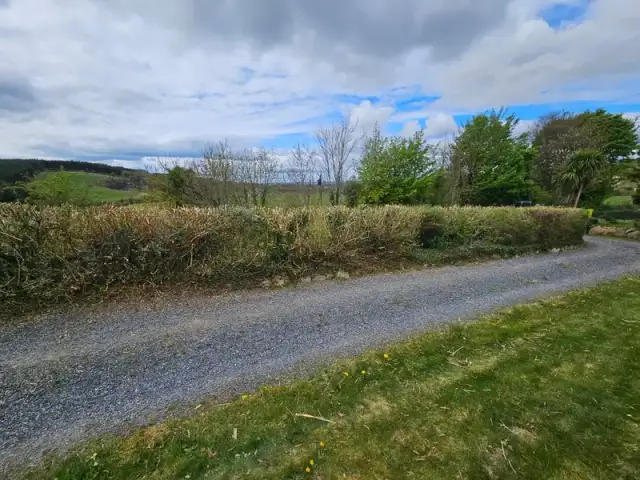
Trimming too little is the most common mistake we see. People let a hedge go for a year or two, and then it takes a serious effort to bring it back. On the other hand, trimming too often can stress some slower-growing species. The key is knowing what your particular hedge needs.
Trimming Frequency by Hedge Species
Fast-Growing Hedges (2-3 Trims Per Year)
These are the hedges that put on a lot of growth each season. If you leave them too long between cuts, they can quickly look shaggy and overgrown.
Privet (Ligustrum ovalifolium) Privet is the hungriest hedge when it comes to trimming. It grows fast and needs cutting two to three times per year to stay sharp. The usual schedule is late May, mid-July, and early September. If you only trim it once, it will look wild by midsummer.
Leylandii (Cupressocyparis leylandii) Leylandii can grow up to a metre a year, so it needs cutting two to three times during the growing season. Trim in late spring, midsummer, and early autumn. Never let leylandii get away from you, as it will not regenerate from old wood if you cut it back too hard.
Lonicera nitida (Box-leaved honeysuckle) This fine-leaved hedging plant grows quickly and needs clipping two to three times per year to maintain a tight, formal shape. It is lovely when kept on top of, but it looks messy within weeks if neglected.
Moderate Growers (1-2 Trims Per Year)
These hedges are more forgiving and suit gardeners who want a good-looking perimeter without constant attention.
Cherry Laurel (Prunus laurocerasus) Laurel grows well in Ireland and typically needs trimming once or twice a year. The main trim should be in late summer (August or early September), with an optional tidy-up in late spring if it is putting on a lot of growth. Remember to use secateurs rather than a hedge trimmer, as the large leaves look tatty if shredded.
Griselinia (Griselinia littoralis) Griselinia is a dream to maintain. One trim per year in late summer is usually enough. In a warm year with plenty of rain (which is most years around Dundalk), you might want a second light trim in late spring. Growth rate is moderate and manageable.
Portuguese Laurel (Prunus lusitanica) Similar to cherry laurel but a slightly slower grower. One trim per year in late summer keeps it looking elegant and tidy. It is one of the easiest hedges to maintain.
Escallonia Trim escallonia once a year, right after it finishes flowering in late summer. This preserves next year’s flowers and keeps the hedge in shape. Avoid trimming before or during flowering, or you will lose the blooms.
Slow Growers (1 Trim Per Year)
These hedges need minimal trimming and reward patience with a beautiful, low-maintenance perimeter.
Beech (Fagus sylvatica) Beech only needs one trim per year, ideally in late August. This timing allows the hedge to hold its distinctive copper-brown leaves through winter. Some people give it a very light trim in early June as well, but it is not essential.
Hornbeam (Carpinus betulus) Like beech, hornbeam needs just one annual trim in late summer. It is particularly good on heavier, wetter soils where beech might struggle.
Yew (Taxus baccata) Yew is slow-growing and needs just one trim per year in late summer or early autumn. It responds beautifully to precise trimming and produces one of the densest, finest hedges of any species. Well worth the wait.
Hawthorn (Crataegus monogyna) For a formal hawthorn hedge, trim once a year in winter after the berries have been eaten by birds. For a more natural hedgerow style, you can trim every two to three years on a rotational basis to encourage flowers and berries.
Formal Hedges vs Informal Hedges
The style of hedge you want also affects how often you trim:
Formal hedges are those neat, crisp lines you see in front gardens and along driveways. These need more frequent trimming to keep their sharp edges. Even a slow-growing species like yew might benefit from a second light trim if you want a very formal look.
Informal hedges are allowed to grow more naturally, with a softer, more relaxed shape. These need less frequent cutting. An informal escallonia or hawthorn hedge might only need one trim per year to keep it within bounds.
Signs Your Hedge Needs Trimming
Not sure if it is time to trim? Here are the tell-tale signs:
- New growth is extending well beyond the established shape of the hedge
- The top is starting to spread wider than the base, which blocks light from the lower branches
- You can see through it in places where it used to be dense
- Branches are starting to encroach on paths, driveways, or your neighbour’s property
- It looks uneven, with some sections growing faster than others
If any of these apply, it is time to get the trimmers out or give us a call.
A Quick-Reference Trimming Calendar
Here is when to trim the most common Irish hedges:
| Hedge Type | Trims Per Year | Best Months |
|---|---|---|
| Privet | 2-3 | May, July, September |
| Leylandii | 2-3 | May, July, September |
| Cherry Laurel | 1-2 | August (+ May optional) |
| Griselinia | 1 | August/September |
| Escallonia | 1 | After flowering (Aug/Sep) |
| Beech | 1 | Late August |
| Hornbeam | 1 | Late August |
| Yew | 1 | August/September |
| Hawthorn | 1 | Winter (Dec-Feb) |
Keep in mind that under Irish wildlife legislation, you should avoid cutting hedges between the 1st of March and the 31st of August if there is any risk of disturbing nesting birds. Domestic garden hedges are generally exempt from this restriction, but it is always worth checking before you cut. For more detail on timing and technique, have a look at our guide on how and when to trim a hedge.
Frequently Asked Questions
What happens if I do not trim my hedge often enough?
The hedge will become overgrown, leggy, and thin at the base. Once a hedge loses its lower growth, it is very difficult to get it back. With fast growers like privet and leylandii, leaving them even one season too long can mean a much bigger job to restore the shape.
Can I trim my hedge at any time of year?
For domestic garden hedges in Ireland, you can technically trim at any time. However, the best results come from trimming at the right time for each species (see the table above). Avoid trimming in late autumn or winter for most evergreens, as any wounds will be slow to heal. Always check for nesting birds before you start cutting.
Is it better to trim a hedge myself or hire a professional?
Small, accessible hedges can be managed with a good pair of shears or a hedge trimmer. But for taller hedges, long runs, or species that need careful handling (like laurel), hiring a professional hedge trimming service is worth it. We have the tools, the experience, and the scaffolding to do the job safely and properly.
How do I know if I am trimming too much off?
A good rule of thumb is to never remove more than one-third of the current growth in a single trim. For most hedges, you are just taking off the new season’s growth to maintain the shape. If you are cutting back into old, bare wood, you have gone too far, and some species (especially conifers) will not recover from that.
Need Your Hedge Trimmed?
Whether you have a short run of privet in the front garden or a 50-metre laurel hedge around the back, Seamus and Pete are here to help. We cover Dundalk, Blackrock, Ardee, Carlingford, and all of County Louth. Call us on 085 168 5170 for a free quote on hedge trimming and we will get your hedge looking its best.