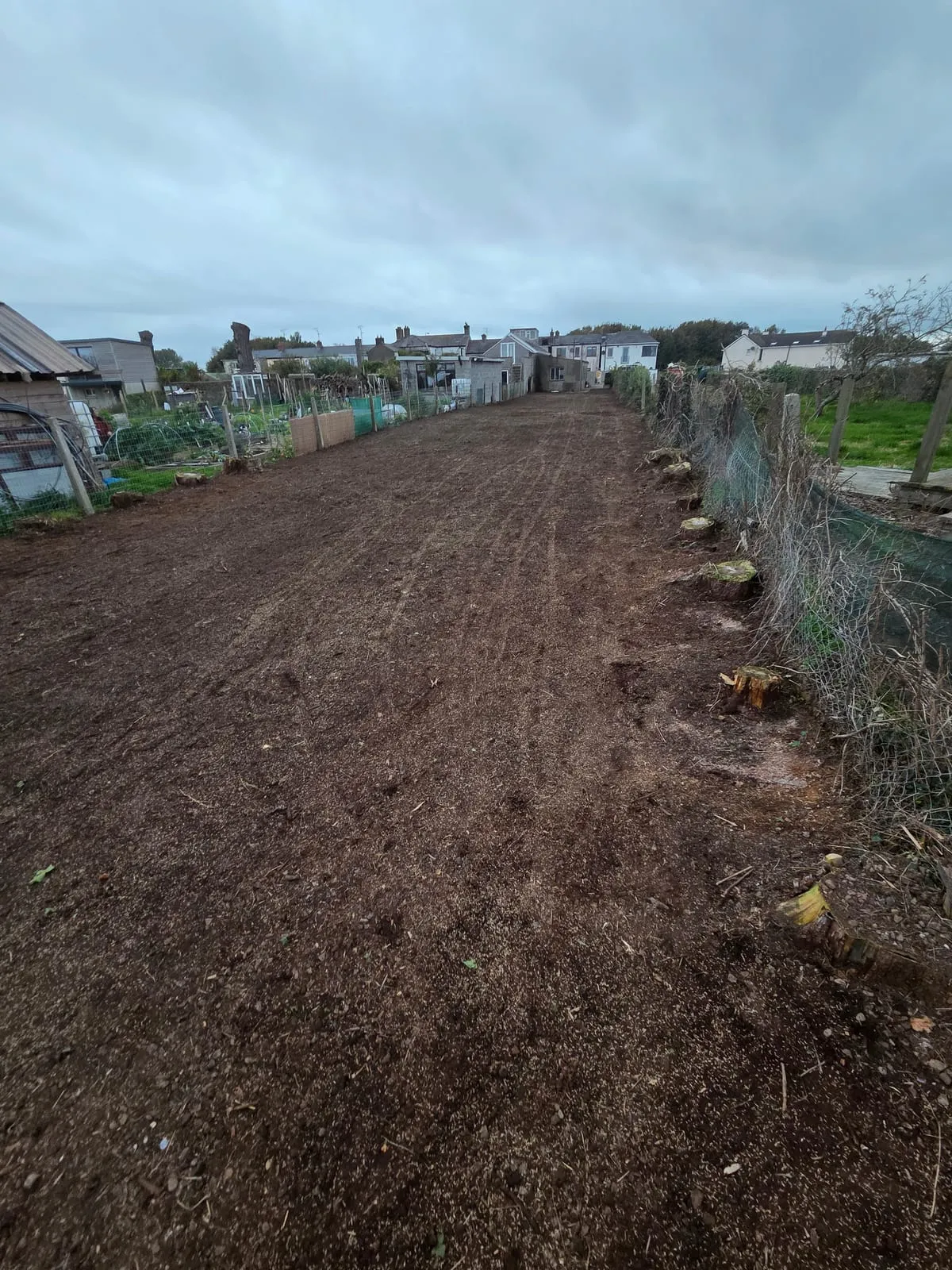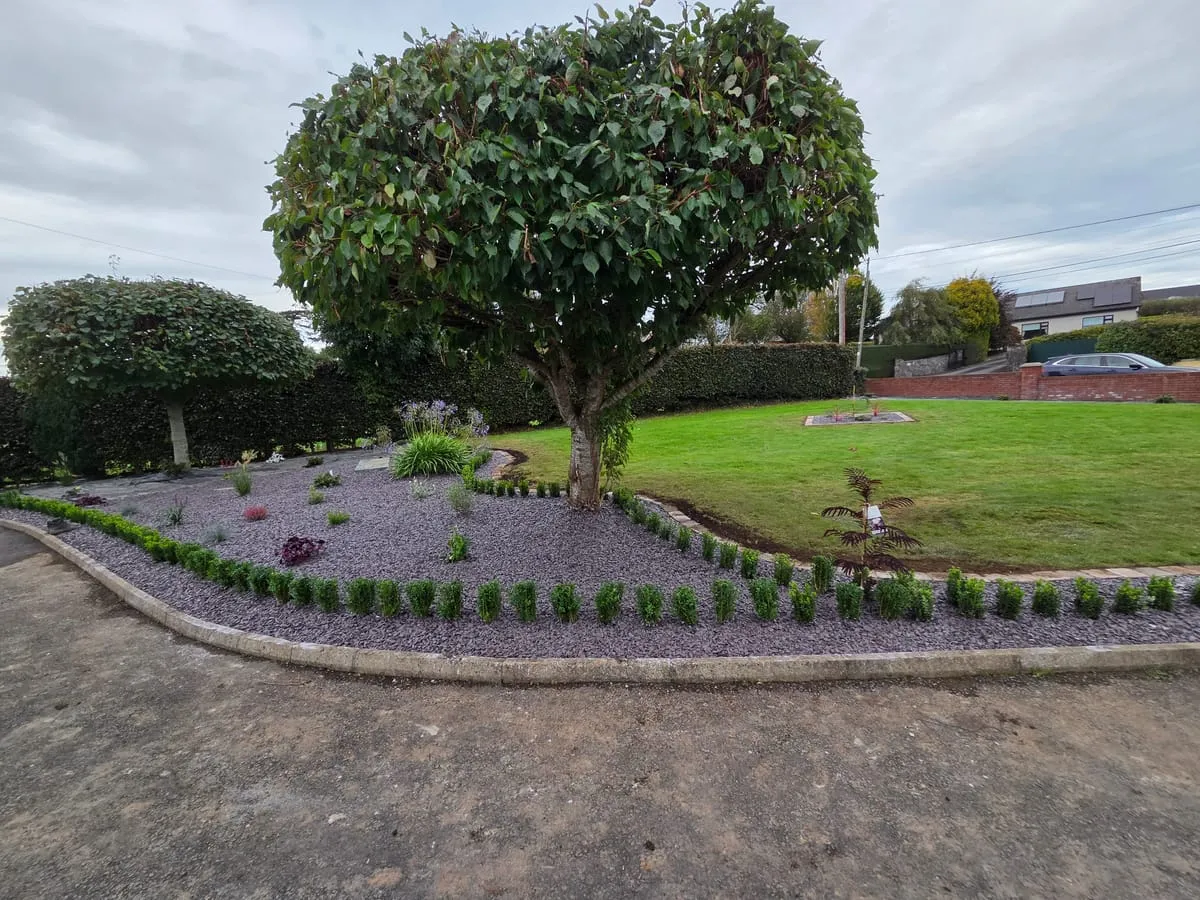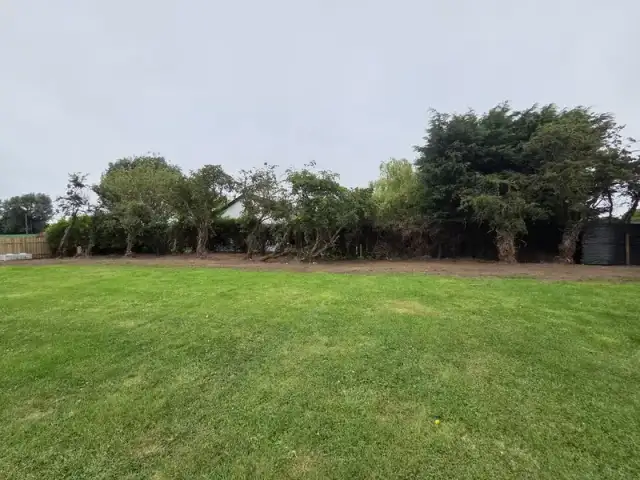
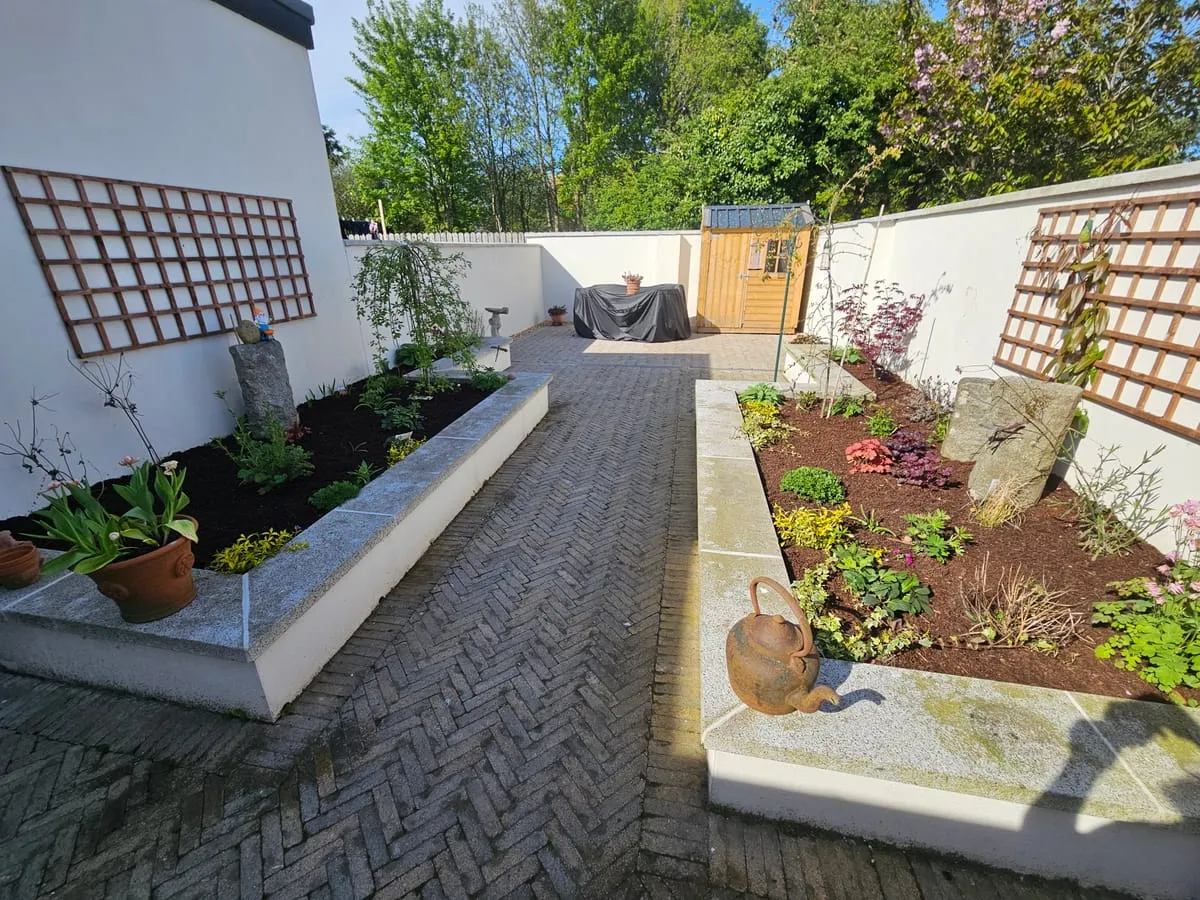
There is nothing more frustrating than looking out at your lawn and seeing a patchwork of bare soil, thin grass, and muddy spots where there should be lush green turf. If that sounds familiar, you are not alone. Patchy lawns are one of the most common problems we deal with here in Dundalk and across County Louth. The good news is that most patches can be repaired without too much hassle, and once you understand what caused them in the first place, you can stop them from coming back.
In this guide, we will cover the most common reasons lawns develop bare patches in Ireland, how to repair them properly, and what you can do to keep your lawn looking thick and healthy all year round.
Why Is My Lawn Patchy? Common Causes in Ireland
Before you reach for the grass seed, it is worth figuring out what caused the patches in the first place. If you repair the damage without addressing the cause, the same problem will come back again and again.
Moss and Thatch Build-Up
This is probably the number one cause of thin and patchy lawns in Ireland. Our damp climate is perfect for moss, and once it gets a foothold, it spreads quickly. Moss does not kill grass directly, but it competes for space and light. When the moss eventually dies off or gets treated, it leaves behind bare patches where the grass underneath has been smothered.
If moss is your main issue, have a look at our guide on killing moss in your lawn for a detailed walkthrough on how to deal with it properly.
Heavy Shade
Trees, hedges, fences, walls, and even garden sheds can cast shade over parts of your lawn for much of the day. Most common lawn grasses need a decent amount of sunlight to thrive. In heavily shaded areas, the grass gradually thins out and bare patches appear. North-facing gardens and areas under large deciduous trees are the usual suspects.

Compacted Soil
If certain areas of your lawn get a lot of foot traffic — the path to the clothesline, the route from the back door to the shed, or where the kids play football — the soil underneath becomes compacted over time. Compacted soil makes it very difficult for grass roots to grow and for water to drain away. The grass weakens, thins out, and eventually dies off in those high-traffic zones.
Waterlogging and Poor Drainage
Heavy clay soil is common across Louth and the north-east, and it does not drain well. After prolonged rain, water sits on the surface or just below it, suffocating grass roots. You will often see patches of yellow or brown grass in areas where water pools, particularly in low spots or along the base of slopes.
Dog Urine
If you have a dog, you have probably noticed circular patches of yellow or dead grass where they tend to do their business. Dog urine is high in nitrogen, which in concentrated amounts burns the grass. Female dogs tend to cause more damage because they urinate in one spot rather than marking multiple areas. You will often see a ring of darker, lusher grass around the dead patch — that is the nitrogen acting as a fertiliser at lower concentrations around the edges.
Lawn Disease and Fungal Problems
Red thread, fusarium patch, and dollar spot are all fungal diseases that can affect Irish lawns, particularly in the autumn when conditions are damp and mild. They typically show up as irregular patches of discoloured or dying grass. Poor nutrition and lack of airflow make lawns more susceptible to these issues.
Wear and Tear
Sometimes the answer is simple — the lawn just gets worn out. Heavy use over summer, a trampoline sitting in one spot, or garden furniture left on the grass for too long can all leave bare patches behind.

How to Repair Bare Patches in Your Lawn
Once you have identified the cause and addressed it (or at least taken steps to reduce the problem), you can get to work on repairing the patches themselves. The process is straightforward and does not require any specialist equipment.
What You Will Need
- A garden fork or hand fork
- A rake
- Quality grass seed (a mix suited to your conditions)
- A bag of top dressing or fine compost
- A watering can or hose with a fine spray
Step 1: Clear the Patch
Remove any dead grass, moss, debris, or weeds from the bare area. You want to get down to bare soil. A hand fork or rake works well for this. If the patch is large, you may want to use a spring-tine rake to clear it more efficiently.
Step 2: Fork Over the Soil
Use a garden fork to loosen the top 50-75mm (2-3 inches) of soil. This breaks up any compaction and creates a better environment for seed germination. If the soil is very heavy clay, mixing in a handful of sharp sand or fine compost will improve the structure.
Step 3: Level the Area
Rake the loosened soil to create a level surface that sits just slightly below the surrounding lawn. This allows for a thin covering of top dressing without the repaired patch sitting higher than the rest of the grass.
Step 4: Sow the Seed
Scatter grass seed evenly over the prepared area. For patch repair, use a slightly higher rate than you would for overseeding — around 35 to 50 grams per square metre. Choose a seed mix that matches your existing lawn as closely as possible. For most lawns in Ireland, a mix containing perennial ryegrass will do the job well.
Step 5: Cover and Firm
Spread a thin layer of top dressing or sieved compost over the seed — just enough to lightly cover it. Then gently firm it down with the back of a rake or by lightly treading on it. This ensures good seed-to-soil contact, which is essential for germination.
Step 6: Water Well
Give the patch a thorough but gentle watering. Keep the area consistently moist for the next two to three weeks. If the rain is not doing the job, water lightly once or twice a day. Avoid heavy watering that could wash the seed away.

When Is the Best Time to Repair Lawn Patches?
The best time to repair patches is in early autumn (September to October) or mid-spring (April to May). These are the same windows that work best for overseeding, and for the same reasons — the soil is warm enough for germination, and there is usually enough rainfall to keep the new seed moist.
You can make repairs in summer if you are willing to water regularly, but avoid the winter months. Seed sown in cold, waterlogged soil will struggle to germinate and is more likely to rot.
How to Prevent Patches From Coming Back
Repairing patches is only half the job. If you do not address the underlying causes, you will be doing the same thing again next year. Here are some practical steps to keep your lawn in better shape going forward.
Keep On Top of Moss
Treat moss in early spring or autumn with a ferrous sulphate-based moss killer, then scarify to remove the dead moss. Improving drainage and reducing shade will also help keep moss at bay long term.
Aerate Regularly
Aerating your lawn once or twice a year — particularly in high-traffic areas — prevents compaction and helps water drain away. A garden fork does the job on small lawns. For larger areas, a hollow-tine aerator is more effective.
Mow at the Right Height
Cutting your grass too short weakens it and makes it more vulnerable to disease, drought, and moss. Keep your mower set to around 30-40mm (1.25-1.5 inches) for most of the year. In summer, let it grow a little longer to help it cope with dry spells.
Our grass cutting service keeps lawns at the right height through the growing season, which goes a long way toward preventing patches.
Feed Your Lawn
A well-fed lawn is a healthier lawn. Apply a spring/summer feed in April and an autumn feed in September. A balanced fertiliser provides the nitrogen, phosphorus, and potassium that grass needs to grow thick and strong, making it much harder for weeds, moss, and disease to take hold.
Deal With Dog Urine Spots
If your dog is the culprit, try watering the area immediately after they go. This dilutes the nitrogen and reduces the burning effect. You can also train them to use a specific area of the garden, or look into dietary supplements that reduce the nitrogen content in their urine.
Frequently Asked Questions
How long does it take for a repaired lawn patch to fill in?
In good conditions (warm soil, consistent moisture), you should see new grass seedlings appearing within 7 to 14 days. The patch will take around six to eight weeks to fill in fully and blend with the surrounding lawn. Avoid heavy foot traffic on the area during this time.
Can I just lay turf over bare patches instead of seeding?
Yes, laying turf is a quicker fix and gives instant results. Cut the turf to fit the patch, prepare the soil underneath the same way you would for seeding, and press the turf firmly into place. Water it well and keep off it for a couple of weeks. The downside is that turf is more expensive than seed, and it can be hard to get an exact colour match with your existing lawn.
Why does my lawn always get patchy in the same spots?
Recurring patches usually point to an underlying issue — shade, compaction, poor drainage, or a persistent pest problem. If the same area keeps dying off no matter what you do, the cause has not been properly addressed. It is worth investigating whether the soil in that area is waterlogged, heavily compacted, or simply not getting enough light.
Is it worth reseeding a lawn that is more than 50 percent bare?
If more than half your lawn is bare or in very poor condition, you may be better off starting from scratch with a full lawn renovation rather than trying to patch individual areas. This involves stripping back the old grass, levelling the soil, and either reseeding or laying new turf. It is more work upfront but gives a much better result in the long run.
Let Us Help You Get Your Lawn Back on Track
If your lawn is looking worse for wear and you are not sure where to start, give Seamus and Pete a call. With over 35 years of experience working on lawns and gardens across Dundalk, Drogheda, and the surrounding areas of County Louth, we have seen it all and fixed it all. Whether it is a few bare patches or a full lawn renovation, we can get your garden looking its best again.
Ring us on 085 168 5170 for a free, no-obligation chat about what your lawn needs.