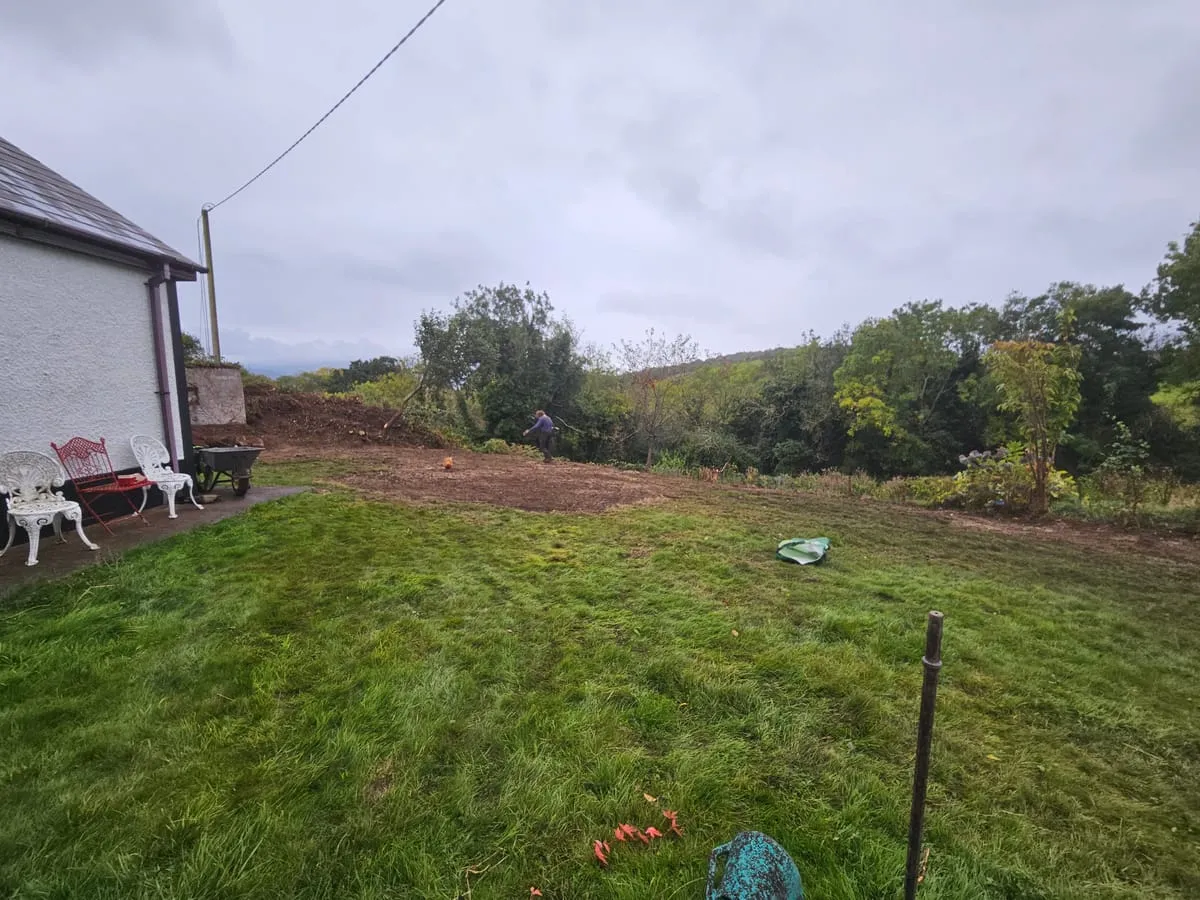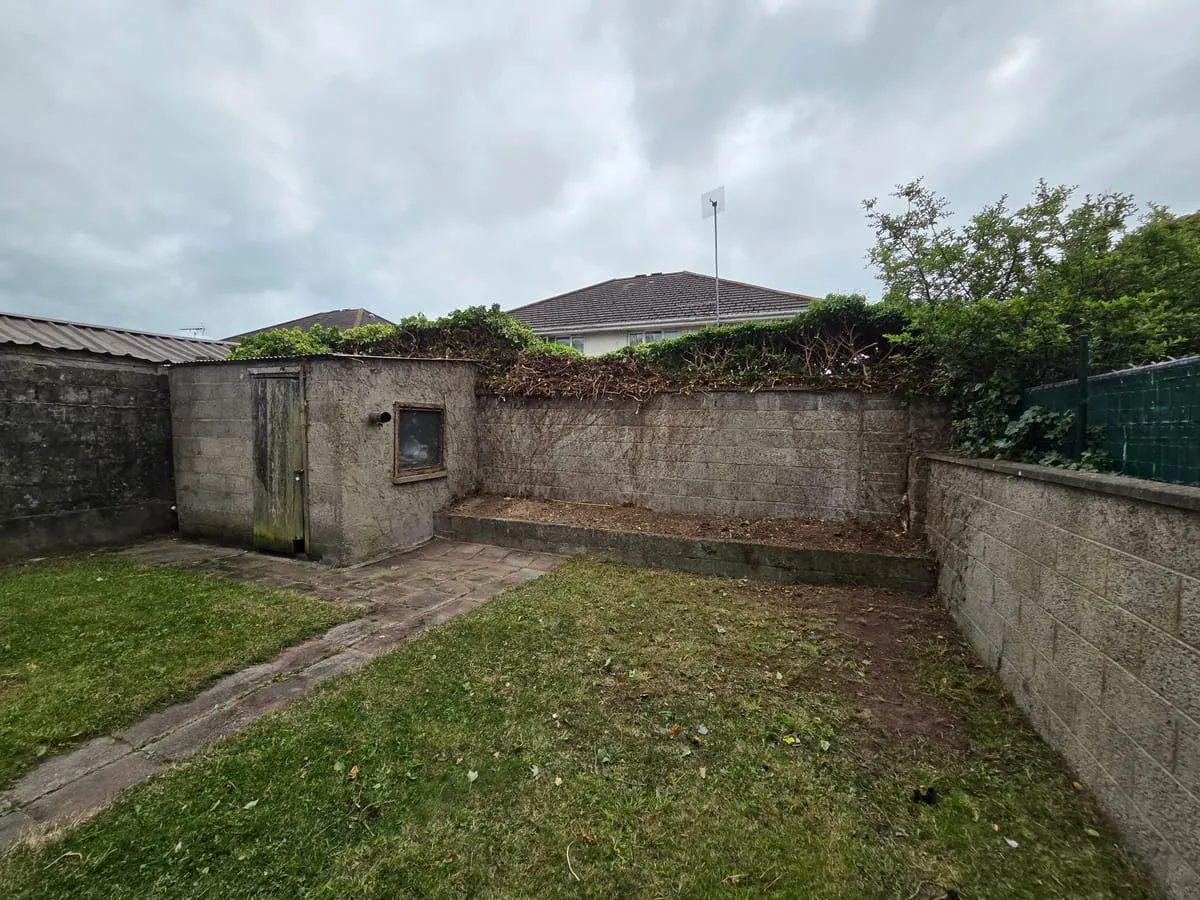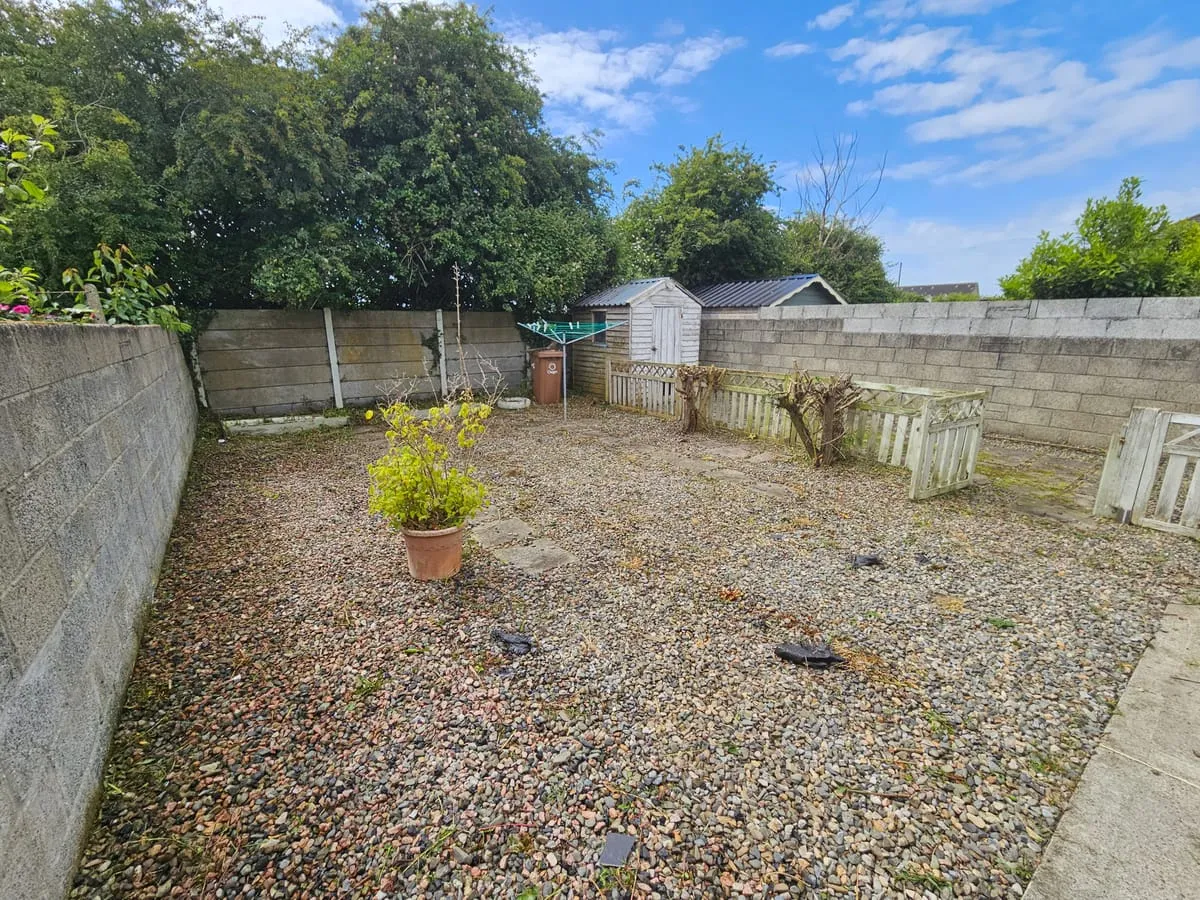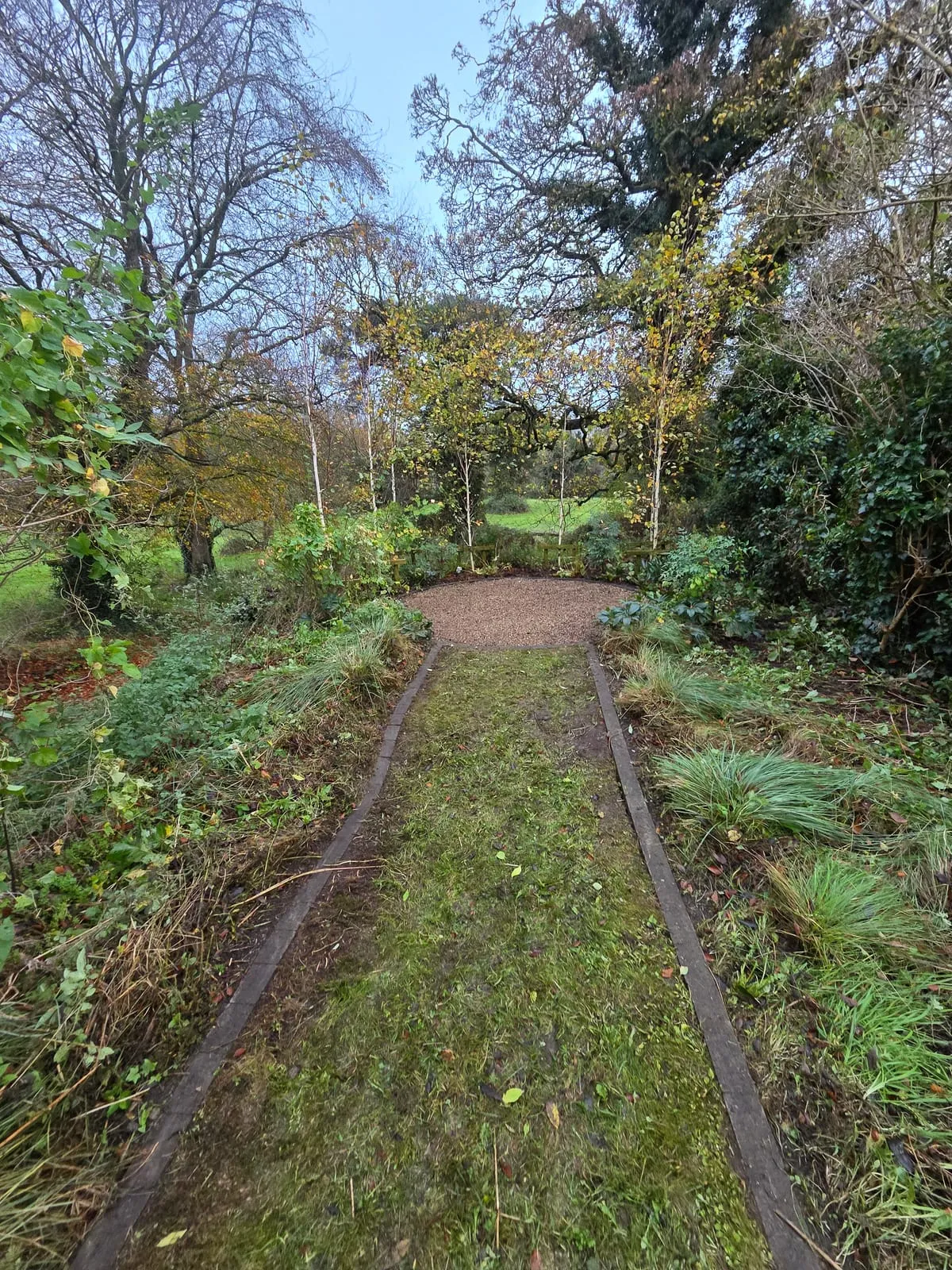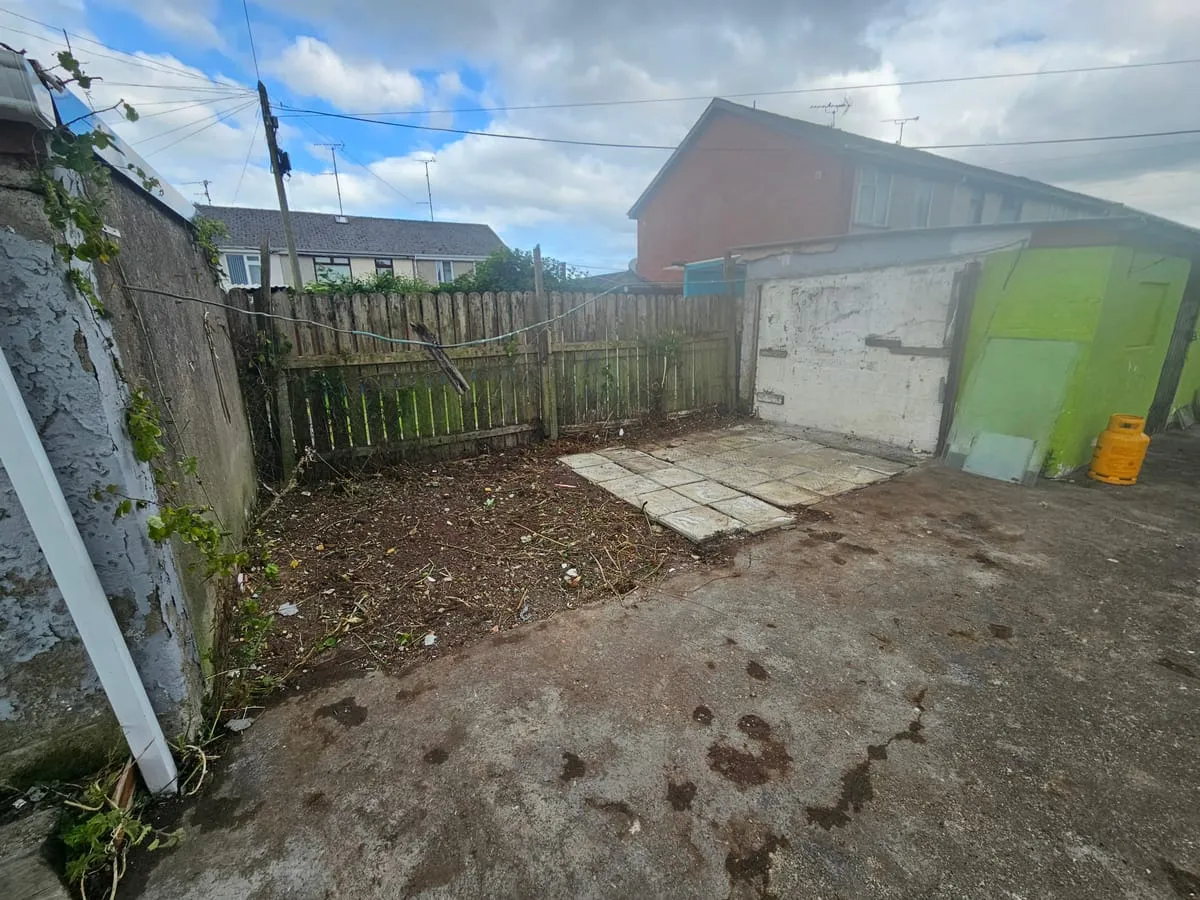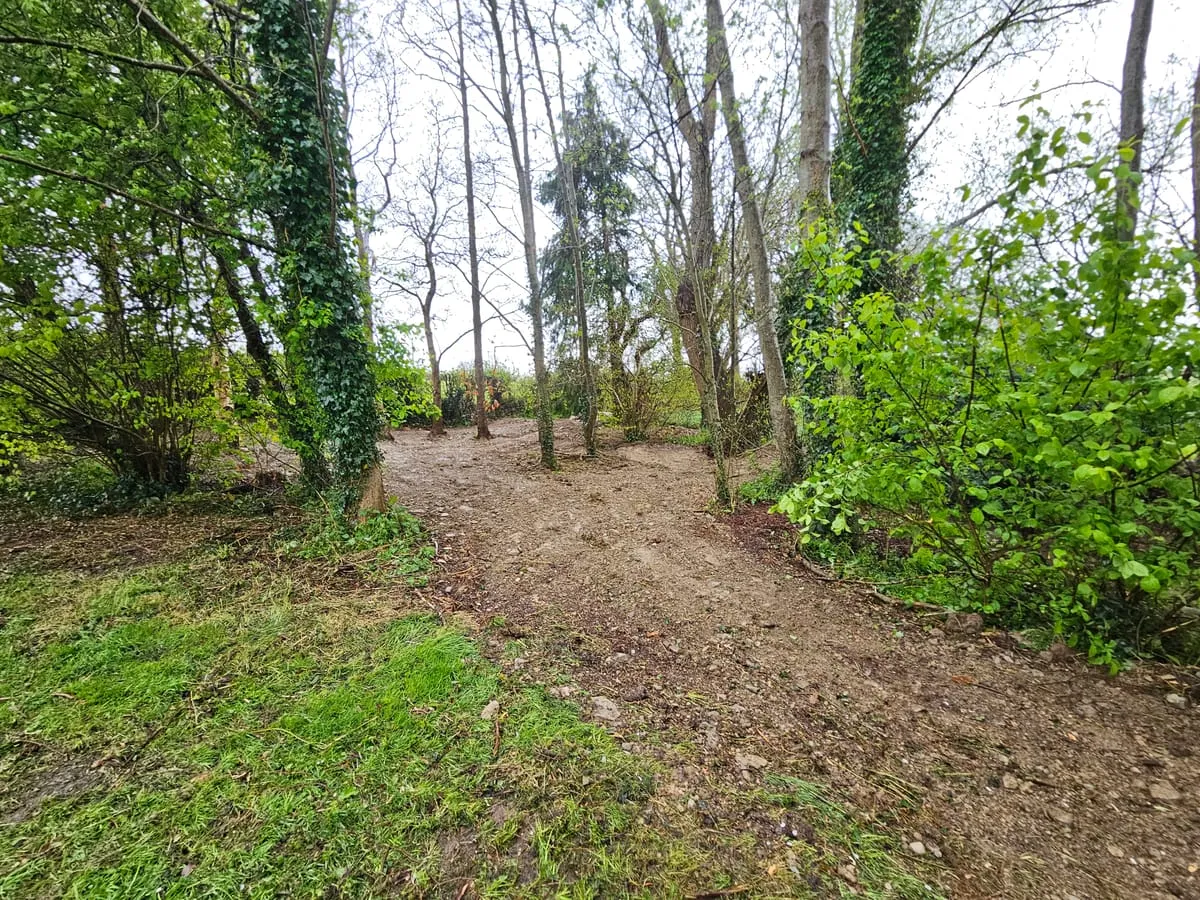
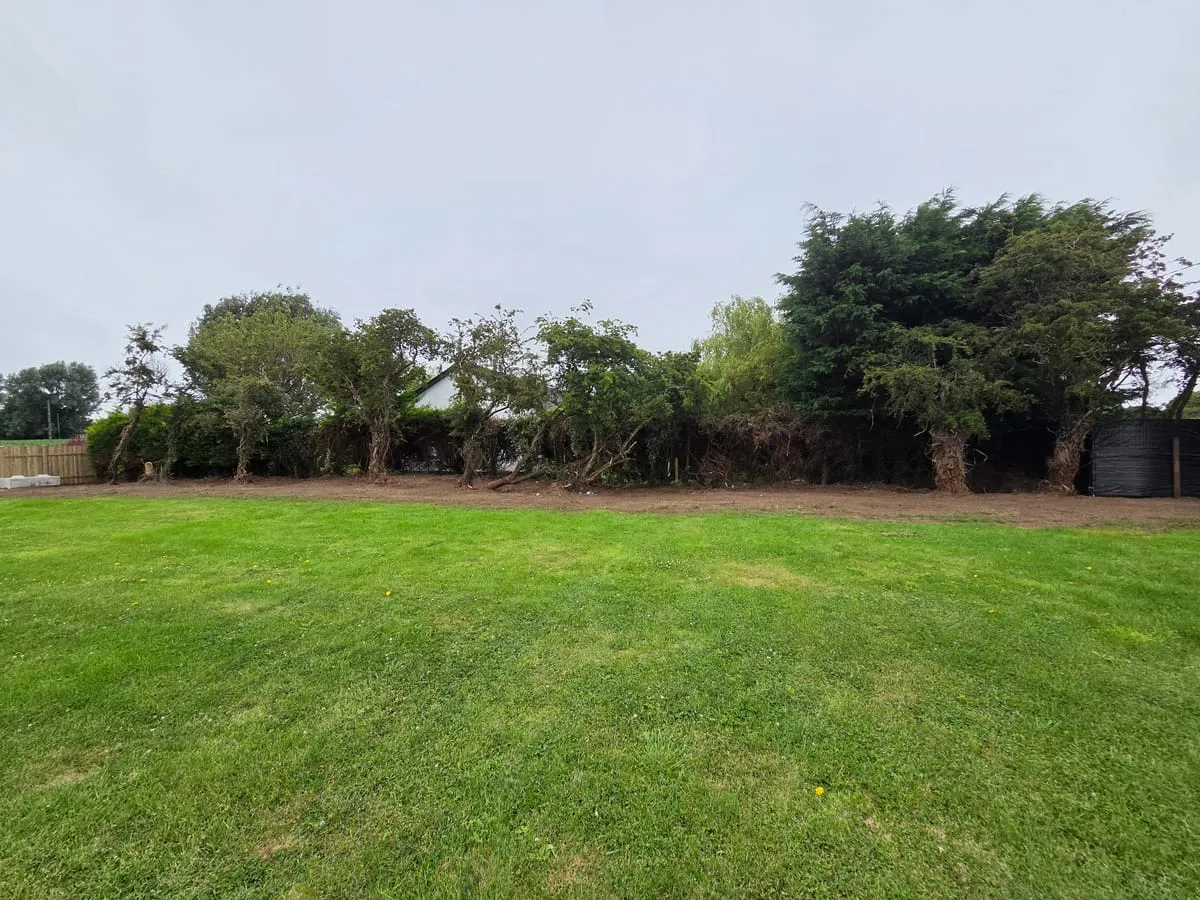
Inheriting a property is rarely straightforward. On top of the legal and emotional side of things, there is often a physical reality to deal with — and more often than not, the garden is one of the biggest headaches. A house that has been vacant for even a year or two can have a garden that looks like something from a nature documentary. Five or ten years of neglect? You might not even be able to see the back fence.
We have worked with dozens of families across Dundalk, Drogheda, and County Louth who have found themselves in exactly this situation. It is one of the most common reasons people call us, and we understand the mix of urgency and uncertainty that comes with it. Here is what you need to know about clearing the garden of an inherited or vacant property.
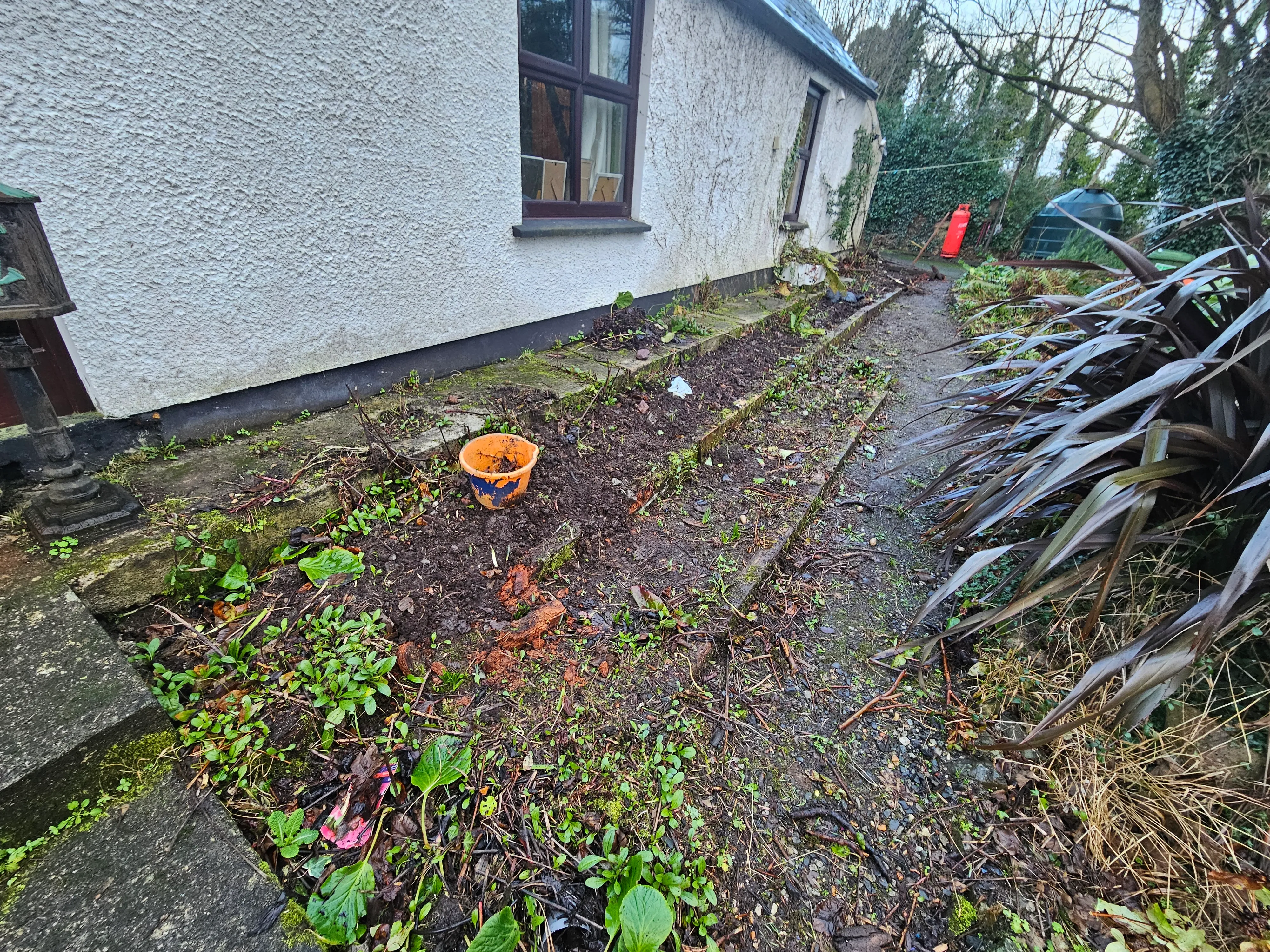
Why Inherited Property Gardens Are Different
An inherited garden is not the same as one that has just been “let go” for a season. There are usually layers of issues that build up over time:
Years of unchecked growth
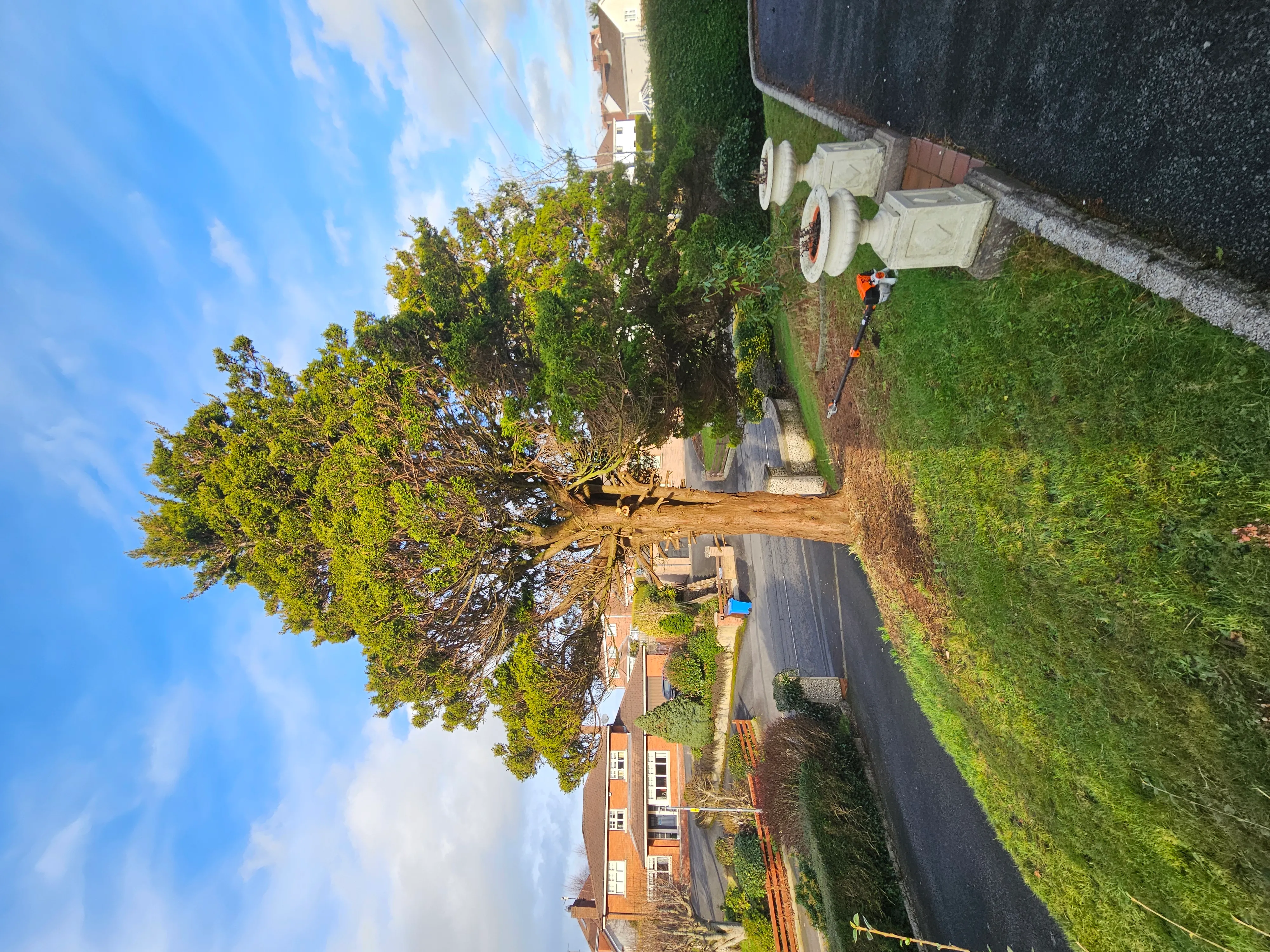
Without regular maintenance, gardens go through a predictable cycle. First the grass gets long. Then weeds take hold. Within a couple of years, brambles start colonising from the boundaries. Self-seeded trees — usually ash, sycamore, and elder in this part of Ireland — can grow surprisingly fast and start to cause structural issues with walls and fences.
Hidden hazards
Neglected gardens often hide things under the growth. We have found everything from old garden furniture to broken glass, dumped materials, and even old fuel containers. This is why a careful clearance is important rather than just running a ride-on mower over the whole lot.
perimeter issues
When a property is vacant, neighbouring vegetation often grows across the perimeter. Hedges that were once maintained can spread several metres, and it is not always clear where your property ends and the neighbour’s begins until the clearance reveals the original perimeter features.
Wildlife considerations
A garden left wild for several years becomes a habitat. While that is not necessarily a problem, there are legal protections for nesting birds in Ireland between March and August. If the clearance involves removing hedgerows or dense vegetation during this period, care is needed to avoid disturbing active nests.
Common Scenarios We See
Preparing for sale
This is the most common reason for clearing an inherited garden. Estate agents will tell you that an overgrown, neglected exterior is one of the biggest turn-offs for potential buyers. First impressions matter enormously, and a presentable garden can add thousands to the selling price — or at the very least, prevent buyers from being scared off before they even get through the front door.
Preparing for rental
If you are planning to rent the property, a clear, low-maintenance garden is essential. Tenants generally will not maintain a garden to the same standard as an owner-occupier, so the simpler you can make it, the better. A basic clearance followed by lawn and tidy boundaries is usually all that is needed.
Renovation and occupation
If you are planning to move in or renovate the property yourself, the garden clearance is often one of the first jobs. It allows you to see what you are working with, provides access for tradespeople, and gives you a clean slate to plan your outdoor space.
Working with Solicitors and Estate Agents
If you are going through the probate process, the garden clearance is usually handled as part of preparing the property for sale or transfer. Here are a few practical tips:
- Get the clearance done early — do not wait until the property is listed. Estate agents will want decent photographs, and overgrown exteriors photograph terribly.
- Keep receipts — clearance costs may be deductible as expenses against the estate. Your solicitor can advise on this.
- Inform the estate agent — let them know the work is being done. Some agents have contacts for clearance services, but you will often get a better price going direct.
- Check for restrictions — some properties in older areas of Dundalk or in rural settings may have protected trees or be in a conservation zone. A quick check with Louth County Council can avoid any issues.
What to Expect from the Clearance
The survey
A good garden clearance service will visit the property first to assess the job. This is important for inherited properties because the level of neglect is often worse than people expect. A site visit means an accurate quote with no surprises.
The clearance itself
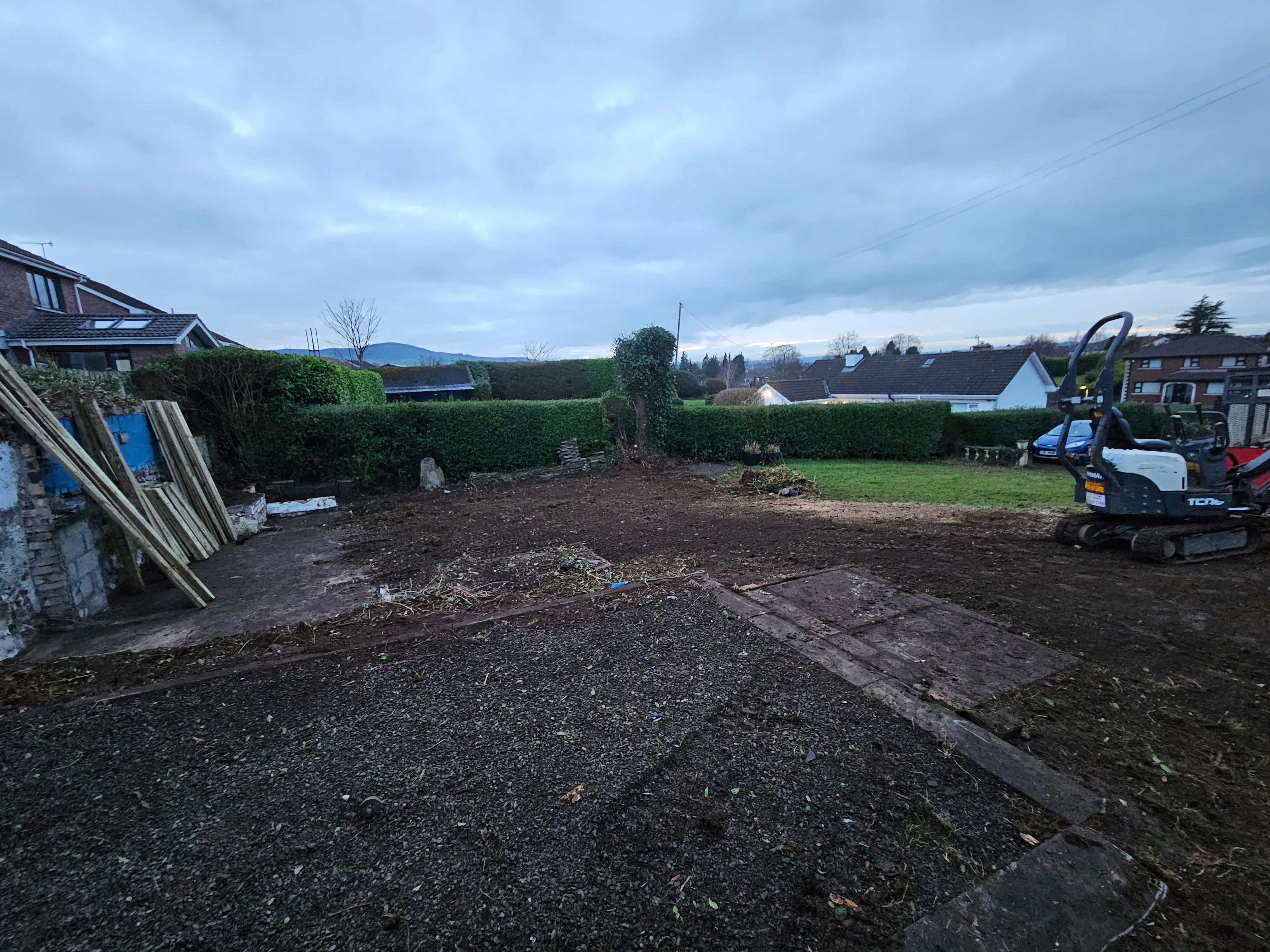
For a typical three-bed semi-detached with front and back gardens that have been neglected for three to five years, you are looking at one to two days of work for a two-person crew with proper equipment. More heavily overgrown properties, especially larger sites, can take three to four days.
The process generally follows this order:
- Cut all vegetation back to ground level with strimmers and brush cutters
- Remove brambles, including digging out root systems
- Cut back or remove self-seeded trees
- Clear all debris and waste
- Basic ground preparation if requested
Waste removal
A neglected garden produces a lot of waste. A typical inherited property clearance generates anywhere from 8 to 20 cubic metres of green waste, depending on the size of the garden and how long it has been neglected. All of this is loaded, transported, and disposed of at a licensed green waste facility as part of the service.
Typical Costs
Costs for inherited property clearance in the Dundalk area typically fall into these ranges:
| Property Type | Level of Neglect | Typical Cost |
|---|---|---|
| Apartment/townhouse (small garden) | 2-3 years neglected | €250 — €500 |
| Semi-detached (front and back) | 3-5 years neglected | €500 — €1,200 |
| Detached with larger garden | 5+ years neglected | €1,000 — €2,000 |
| Rural property / large site | 5-10+ years neglected | €1,500 — €3,500+ |
These include labour, equipment, and waste disposal. Additional work like stump grinding, fence repair, or basic landscaping is quoted separately.
What Comes After Clearance?
Once the garden is cleared, you have options depending on your plans for the property:
- For sale — a basic tidy-up is usually enough. Mow any grass, clean up the boundaries, and make sure the garden looks presentable in photos. You do not need to spend a fortune on landscaping for a property you are selling.
- For rental — keep it simple. A good lawn, tidy boundaries, and maybe a few low-maintenance shrubs. Avoid anything that needs regular specialist care.
- For occupation — this is your chance to plan the garden you actually want. Our team can advise on follow-up landscaping work to make the most of the space.
Frequently Asked Questions
Can I clear the garden before probate is granted?
Generally, yes. Garden maintenance and clearance is considered reasonable upkeep of the property during the probate process. However, it is worth informing the solicitor handling the estate, especially if costs are significant. Keep all invoices and receipts.
How do I deal with overgrown boundaries shared with neighbours?
If hedging or vegetation has grown from the inherited property onto neighbouring land, you are generally responsible for cutting it back to the perimeter line. If it has grown from the neighbour’s side, they are technically responsible, but in practice it often gets sorted out as part of the overall clearance. A friendly conversation with the neighbours before work starts usually prevents any issues.
Should I clear the garden in stages or all at once?
For inherited properties, we always recommend doing it all at once. Staged clearance means the team has to set up and travel multiple times, which adds to the cost. It also delays getting the property to a presentable state. One thorough clearance is more efficient and more cost-effective.
What if there are structures in the garden that need removing?
Old sheds, greenhouses, raised beds, and other structures are common in inherited gardens. These can usually be removed as part of the clearance, though the cost depends on the size and materials involved. Concrete bases, for example, cost more to break up and remove than a timber shed.
Get Your Inherited Property Sorted
Dealing with an inherited property is stressful enough without worrying about the garden. Seamus and Pete have been helping families across County Louth with exactly this kind of work for over 35 years. We are sensitive to the situation, efficient in the work, and honest about the costs.
If you have an inherited or vacant property that needs the garden sorting out, call us on 085 168 5170. We will come out, have a look, and give you a clear price to get it done. No pressure, just practical help when you need it.