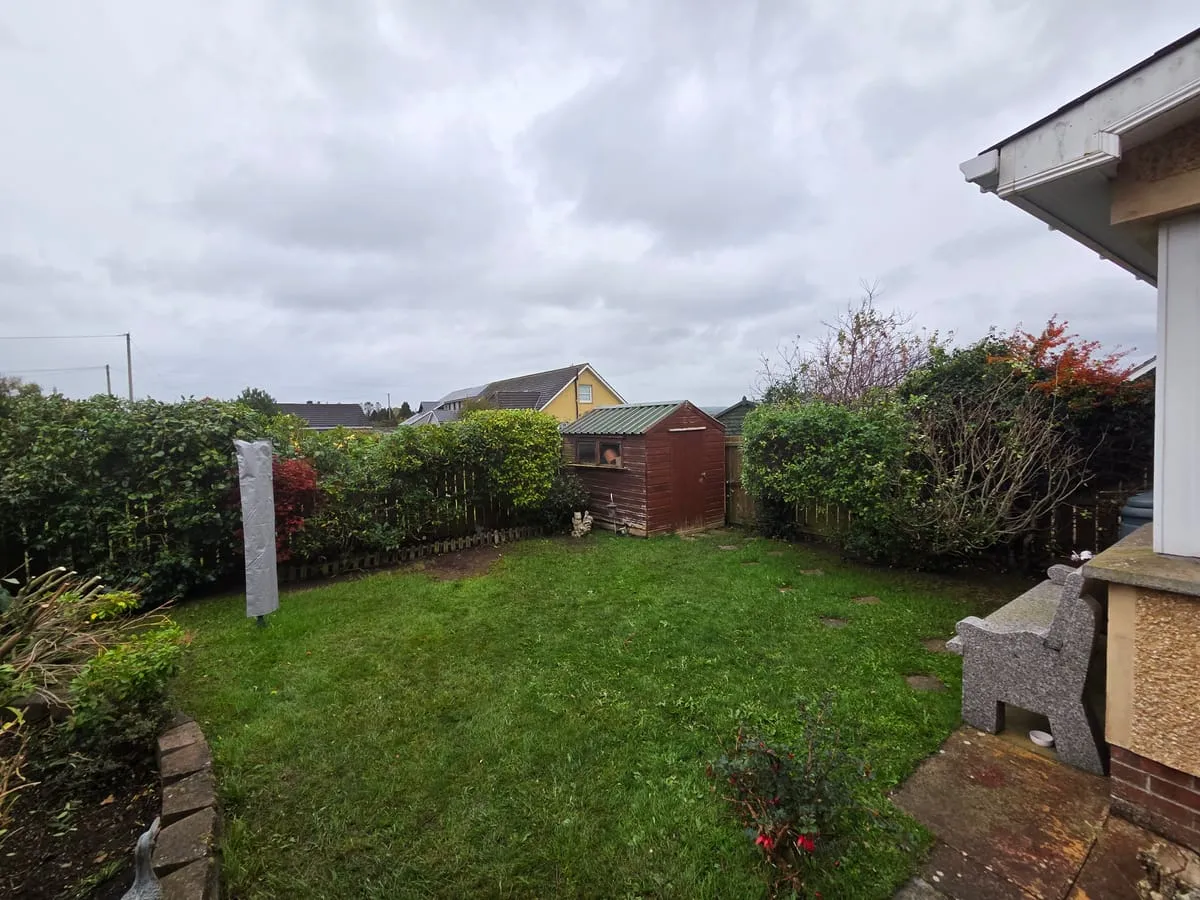
There is something deeply satisfying about planting a native hedgerow. You are not just putting in a perimeter or a screen; you are creating a living habitat that supports birds, insects, mammals, and wildflowers. Native hedgerows are the backbone of the Irish countryside, and increasingly, homeowners in Dundalk and across County Louth are choosing to plant them in their gardens too.
Whether you have a rural property and want to restore old field boundaries, or you have a suburban garden and want to do something meaningful for wildlife, this guide will walk you through everything you need to know about planting a native Irish hedgerow.

Why Native Hedgerows Matter
Ireland’s network of hedgerows is one of the most important habitats in the country. They are not just boundaries; they are wildlife corridors that connect woodlands, wetlands, and open countryside. A single hedgerow can support:
- Over 100 species of insect, including pollinators like bees and hoverflies
- Dozens of bird species that nest, feed, and shelter in hedgerows
- Small mammals like hedgehogs, pygmy shrews, and wood mice
- Wildflowers that grow along the hedge base, supporting even more insect life
Native hedgerows also help with flood prevention (they slow water runoff), carbon sequestration (they lock carbon into their wood and the soil beneath them), and soil stabilisation on slopes and field margins.
In a time when biodiversity loss is a serious concern across Ireland, planting a native hedgerow is one of the most positive things you can do for the environment, and it costs surprisingly little.
The Best Native Species for an Irish Hedgerow
A good native hedgerow is a mix of species, not a single-species hedge. This diversity is what makes it so valuable for wildlife, as different species flower, fruit, and provide shelter at different times of the year. Here are the core species to include:
Hawthorn (Crataegus monogyna)
Hawthorn is the foundation of the Irish hedgerow. It is thorny, which makes it stock-proof and secure. It produces white blossom (May blossom) in spring and red berries (haws) in autumn that are a vital food source for birds. Hawthorn should make up 50-70% of a native hedgerow mix.
Blackthorn (Prunus spinosa)
Blackthorn is another thorny species that provides excellent security. It flowers very early (March-April) with white blossom before the leaves appear, providing an early nectar source for emerging bees. The sloes that follow in autumn are a food source for birds and, of course, the key ingredient in sloe gin. Include 10-20% blackthorn in your mix.
Holly (Ilex aquifolium)
Holly is one of Ireland’s few native evergreen trees. It provides year-round shelter and cover, and its berries are an important winter food source for birds like redwings and fieldfares. It grows more slowly than hawthorn or blackthorn, but it adds valuable structure and variety. Include 5-10% in your mix.
Hazel (Corylus avellana)
Hazel produces catkins in late winter (one of the first signs of spring) and nuts in autumn that are eaten by squirrels, jays, and woodpeckers. It grows quickly and responds well to coppicing and laying. Include 5-10% in your mix.

Other Native Species to Include
To increase diversity, you can add smaller numbers of:
- Dog rose (Rosa canina): Scrambling habit, pink flowers in summer, red rosehips in autumn
- Elder (Sambucus nigra): Fast-growing, elderflowers in summer, elderberries in autumn
- Spindle (Euonymus europaeus): Stunning pink and orange fruit in autumn
- Guelder rose (Viburnum opulus): White flowers, translucent red berries, great autumn colour
- Crab apple (Malus sylvestris): Pink-white blossom, small apples that birds love
- Field maple (Acer campestre): Yellow autumn colour, good for thickening a hedge
A mix of 5-7 species is ideal. The more variety, the better for wildlife.
When to Plant
The planting season for bare-root hedging plants runs from November to March. This is when the plants are dormant and can be lifted from nursery fields without damage. Bare-root plants are much cheaper than container-grown stock and actually establish better because they are forced to grow roots into the native soil from day one.
The ideal months for planting are November and December, before the worst of the winter weather. This gives the plants the maximum time to settle in before the growing season starts in spring. January and February planting is fine too, but avoid planting when the ground is frozen or waterlogged.
Sourcing Plants
Buy your plants from a reputable nursery that sells native, Irish-grown stock. Some good suppliers include:
- Local garden centres that stock bare-root whips in season
- Specialist native tree nurseries (several operate around Ireland and deliver nationwide)
- Coillte nurseries for larger quantities
Bare-root hedging whips (typically 40-60cm tall) are the standard size for planting. They are cheap, often just EUR 1-3 per plant, and they establish quickly.
Spacing and Planting Layout
Single-Row Hedgerow
For a domestic garden or a short run of hedgerow, plant in a single row at 30-45cm apart (roughly 3-4 plants per metre). Alternate species along the row for variety.
Double-Row Hedgerow (Staggered)
For a more substantial hedgerow, particularly along field boundaries or longer runs, plant in a double staggered row. Set the two rows 30-40cm apart, with plants at 45cm intervals along each row, staggered so that plants in one row sit between the gaps in the other. This gives roughly 5-6 plants per metre of hedgerow.
The double-row method produces a thicker, more wildlife-friendly hedgerow and is the standard approach for farm hedgerow planting and grant-aided schemes.
How to Plant
- Mark out the line with stakes and string
- Prepare the ground by removing weeds and grass from a strip at least 60cm wide along the planting line. If the area is very weedy, spray or sheet-mulch a few months before planting
- Dig a small hole or slit for each plant, deep enough to set the roots at their natural level. On heavier soils, a spade slit is quickest
- Place the plant in the hole, spread the roots, and firm the soil around them. Make sure no roots are bent or doubled over
- Water in if the ground is dry (unusual in Irish winter, but it happens)
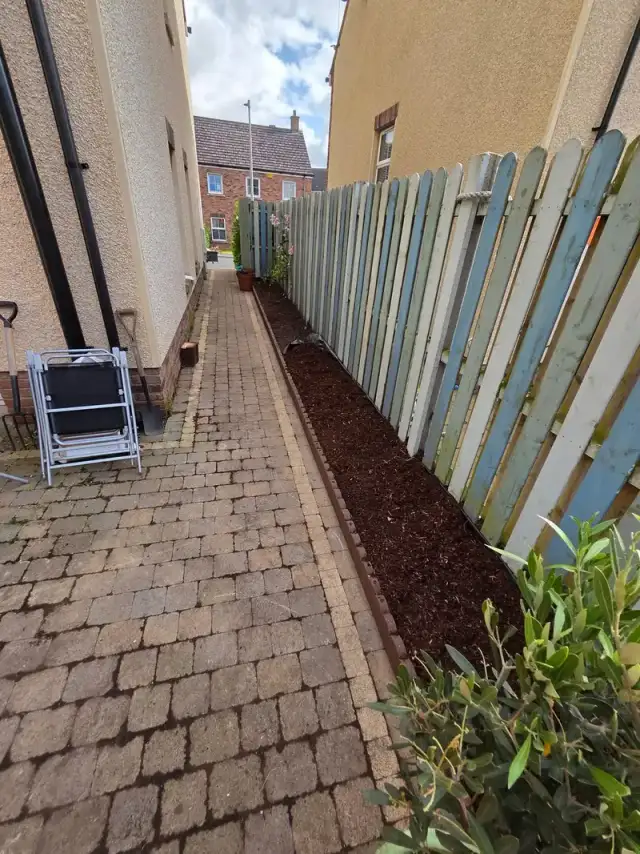
- Mulch with bark chip, straw, or even cardboard along the base to suppress weeds
Protecting Young Plants
Rabbits and hares are the biggest threat to young hedgerow plants. If rabbits are present in your area, you will need to protect the plants with:
- Spiral tree guards on individual plants (cheap and effective)
- Rabbit-proof fencing along both sides of the hedgerow (essential for farm hedgerows)
Deer can also browse young hedging, so in areas with deer pressure, taller tree guards or deer fencing may be needed.
Grants for Hedgerow Planting
If you are a farmer or landowner, there are grants available to help with the cost of planting native hedgerows.
ACRES (Agri-Climate Rural Environment Scheme)
ACRES is the current agri-environmental scheme, and it includes payments for hedgerow planting and management. Under ACRES, you can receive funding for:
- Planting new native hedgerows
- Laying and rejuvenating existing hedgerows
- Coppicing and managing hedgerows for biodiversity
Your ACRES advisor can tell you exactly what is available for your farm. The payments can cover most or all of the cost of plants, guards, and fencing.
Native Woodland Scheme
While primarily aimed at woodland creation, this scheme may also support hedgerow planting as part of a broader native planting plan.
Local Authority Initiatives
Some local authorities and Tidy Towns groups run tree and hedgerow planting schemes, often providing free or subsidised native plants to community groups and homeowners. It is worth checking with Louth County Council or your local Tidy Towns committee.
For homeowners who are also interested in broader garden landscaping, integrating a native hedgerow into your garden design is a wonderful way to combine beauty, biodiversity, and practicality.
Aftercare: The First Five Years
A newly planted hedgerow needs some attention in its early years to establish well and develop into a thick, healthy perimeter.
Year 1
- Weed control is critical. Keep the planting strip free of weeds and grass for at least the first two growing seasons. Weeds compete for water, light, and nutrients and can seriously hold back young hedging plants
- Water during dry spells in the first spring and summer
- Replace any plants that have died during the following winter
Year 2
- Continue weed control around the base of the plants
- Cut back the leading shoots by one-third in late winter to encourage branching from the base. This feels counterintuitive, but it is essential for producing a thick, bushy hedge rather than a line of spindly stems
Years 3-5
- Continue light pruning each winter to encourage thickening
- Remove any tree guards once the plants are established and above browse height
- Allow the hedge to reach your desired height before starting regular annual maintenance trimming
Long-Term Maintenance
Once established, a native hedgerow can be managed in several ways:
- Annual trimming: Cut once per year in winter (outside the nesting season) to maintain a neat shape
- Rotational cutting: Trim one side each year on a two-year rotation, leaving the other side for berries and wildlife
- Hedge laying: Every 10-15 years, a hedgerow can be laid (a traditional technique where stems are partially cut and laid over) to rejuvenate it and thicken the base
- Coppicing: Cut the hedge to near ground level on a long rotation to encourage vigorous regrowth
Frequently Asked Questions
How much does it cost to plant a native hedgerow?
For a single-row hedgerow using bare-root whips, expect to pay around EUR 3-6 per metre for plants alone. With spiral guards, a double-row hedgerow might cost EUR 8-15 per metre. Labour for planting adds to this, but the plants themselves are very affordable. Grants can offset much or all of the cost for farm hedgerows.
How long does a native hedgerow take to become established?
You will see significant growth in the first two to three years, and by year five, most native hedgerows are well-established and beginning to function as effective boundaries and wildlife habitat. Full maturity takes 10-15 years, at which point the hedge is dense, productive, and largely self-sustaining.
Can I plant a native hedgerow in a small garden?
Absolutely. A single-row native hedge takes up very little space (as little as 50-60cm wide once established) and works well as a perimeter in even a modest garden. You will still get the wildlife benefits: birds nesting, bees visiting the blossom, and berries in autumn.
What is the best mix of species for a native hedgerow?
A good standard mix is: 60% hawthorn, 15% blackthorn, 10% holly, 10% hazel, and 5% mixed (dog rose, elder, spindle, or guelder rose). Adjust based on your local conditions and what grows well in your area. Here in County Louth, hawthorn and blackthorn are the real workhorses.
Ready to Plant a Native Hedgerow?
If you are thinking about planting a native hedgerow on your property, or if you need an existing hedgerow managed, laid, or renovated, Seamus and Pete can help. We cover Dundalk, Ardee, Carlingford, Drogheda, and all of County Louth, and we have been working with hedgerows for over 35 years. Call us on 085 168 5170 for advice and a free quote on our hedge trimming and planting services.