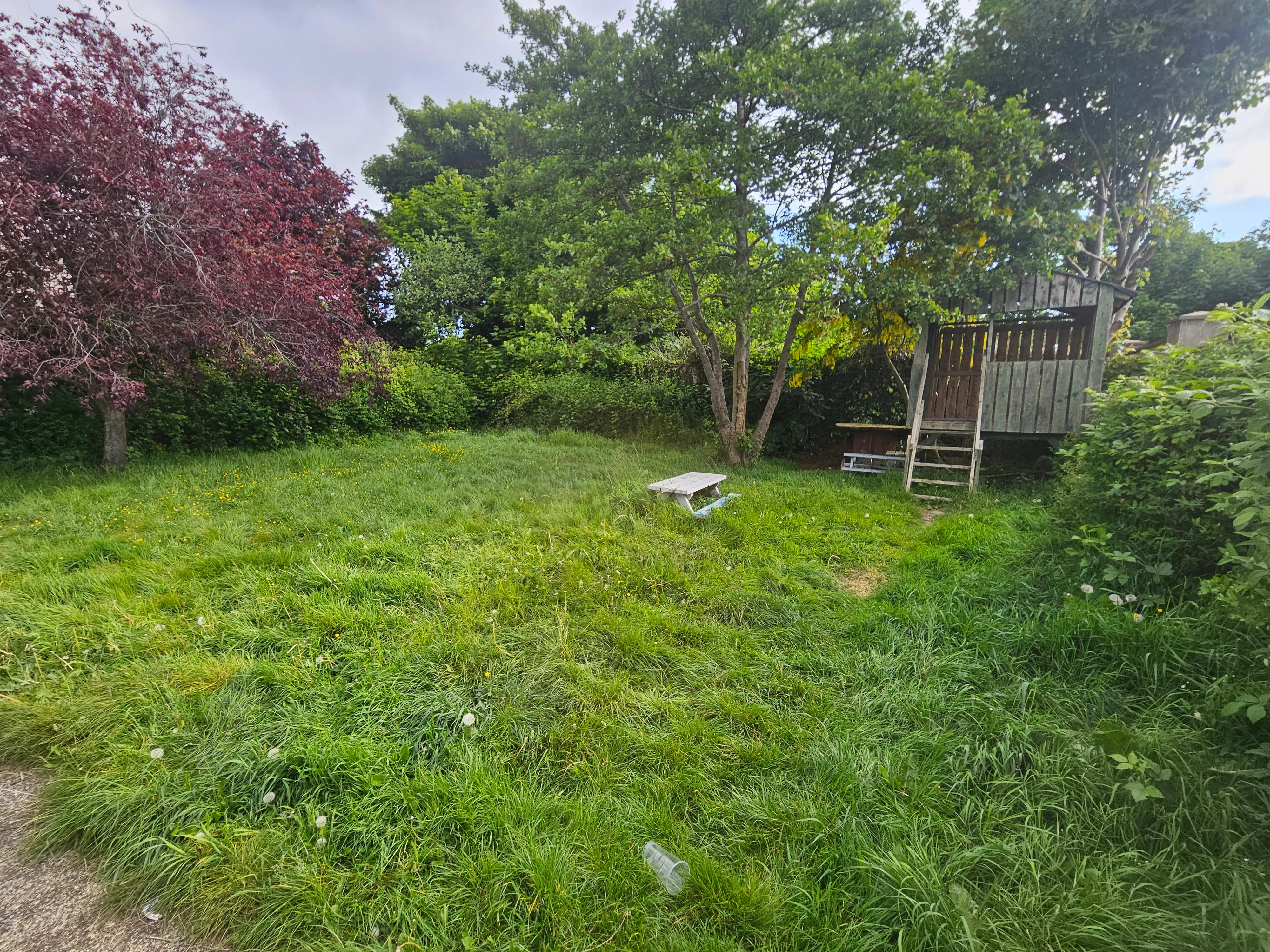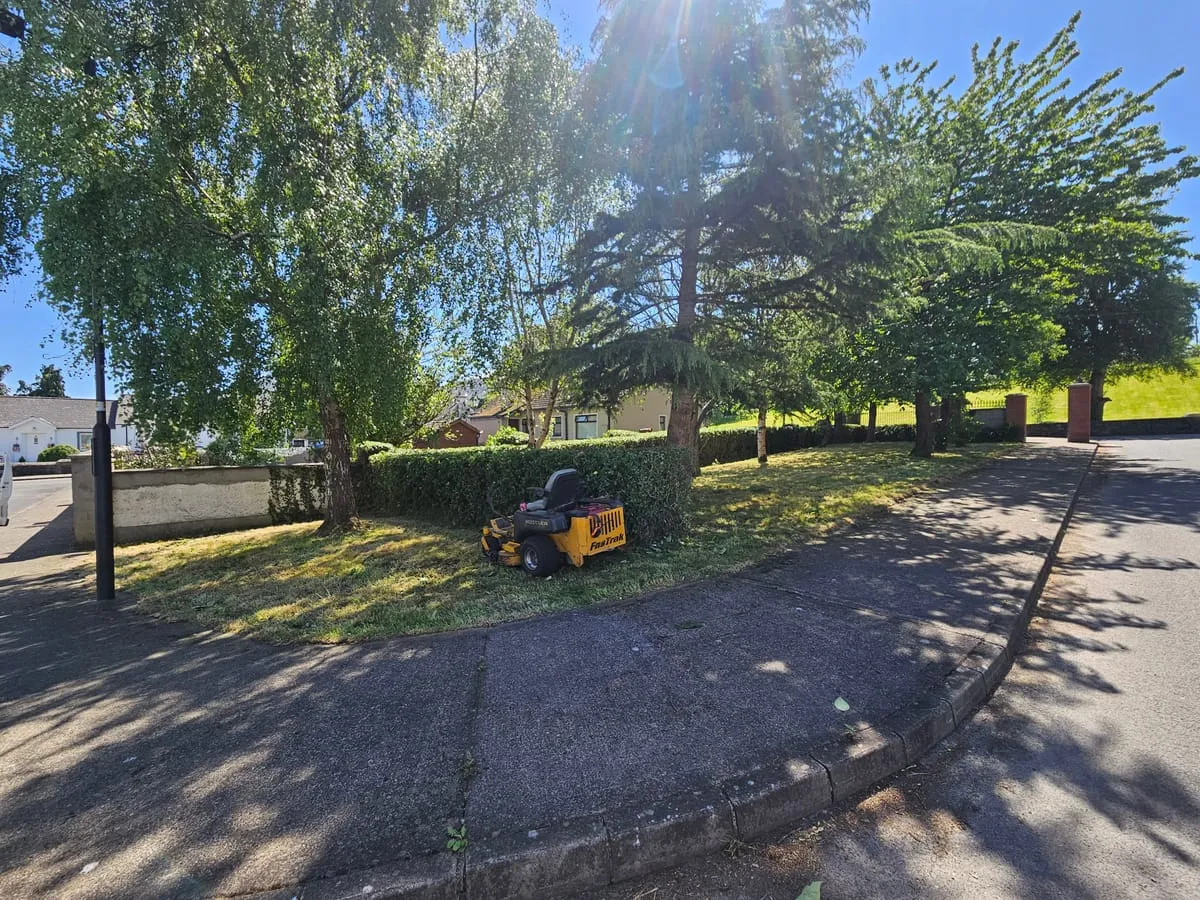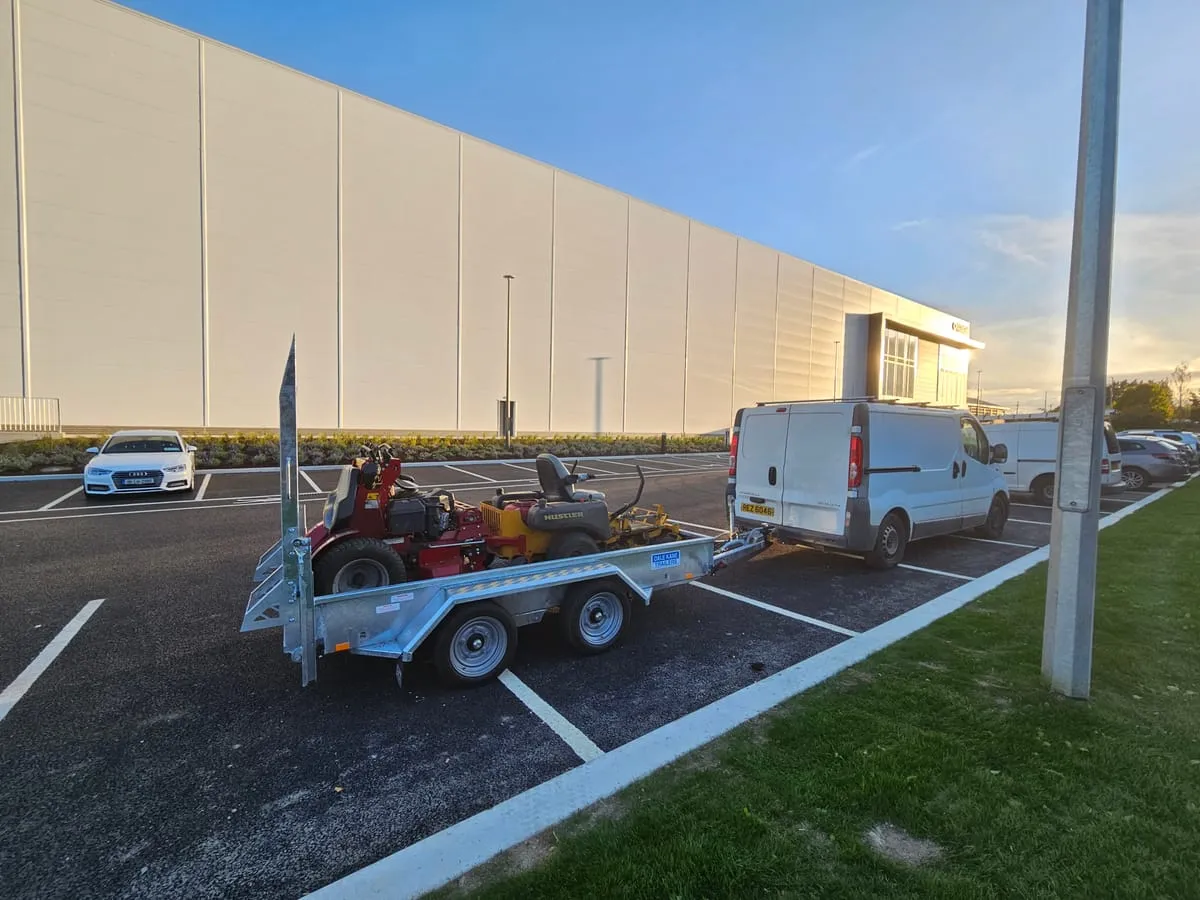
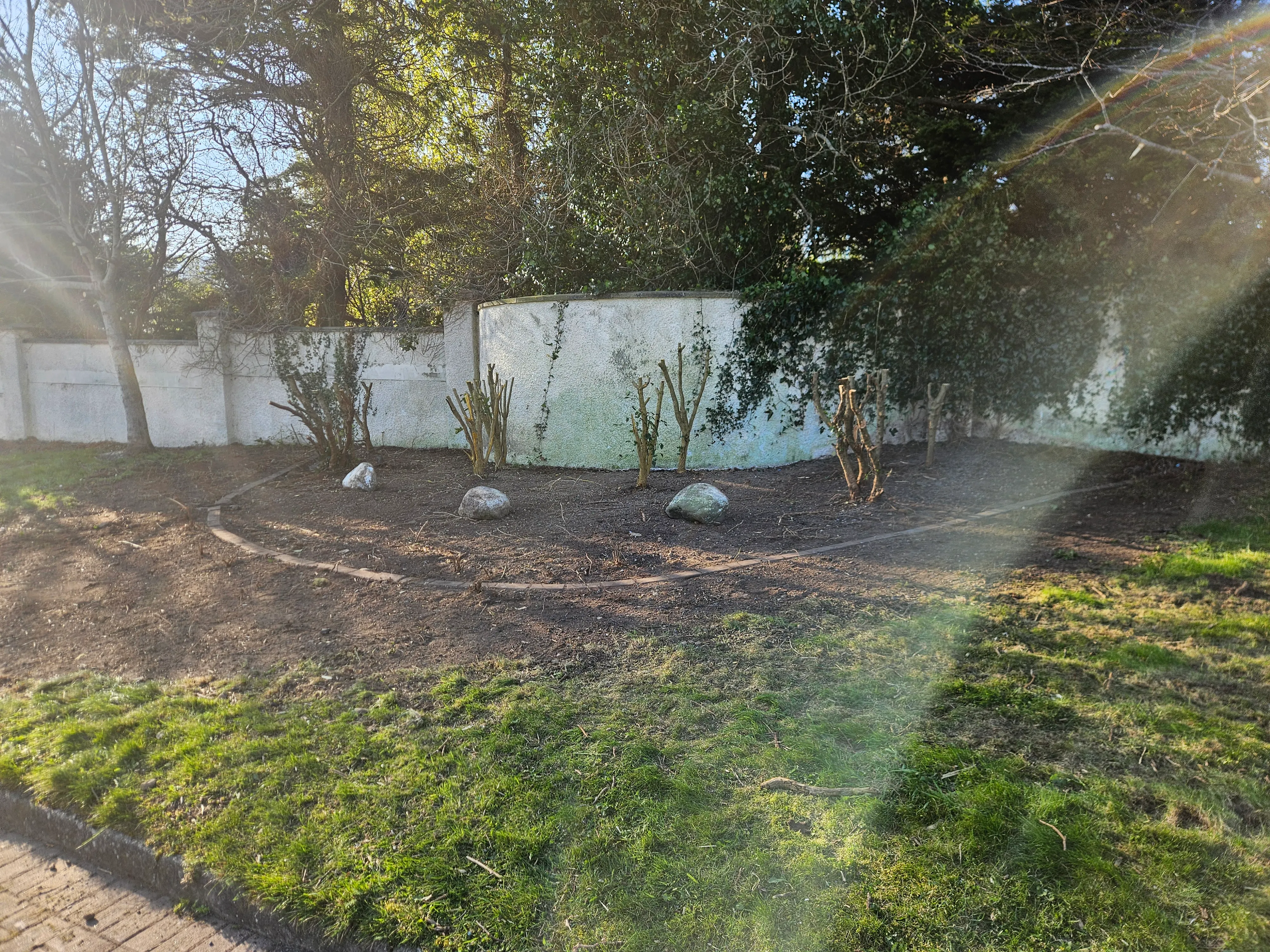
It happens more often than you would think. A commercial property sits vacant for a few months, or the grounds maintenance contract lapses, or nobody quite takes responsibility — and before long, the site looks like nature is reclaiming it. Grass waist-high, brambles spreading across car parks, hedges swallowing fences, and weeds breaking through every surface.
An overgrown commercial site is not just an eyesore. It creates genuine problems for property owners, tenants, and the surrounding community. Here is how to get things back under control.
Why Commercial Sites Become Overgrown
There are several common scenarios that lead to commercial sites becoming overgrown.
Vacant Properties
When a commercial property is between tenants, grounds maintenance is often the first thing to stop. A few months without attention during the growing season is all it takes for a site to deteriorate badly. This is common across County Louth, where you will find vacant retail units, unused office buildings, and empty industrial sites that have been let go.
Lapsed Maintenance Contracts
Sometimes the maintenance contract ends and nobody arranges a replacement. This can happen when there is a change of property management company, a disagreement over costs, or simply an administrative oversight. By the time anyone notices, the grounds are in a state.
Unclear Responsibility
On multi-unit commercial sites, it is not always clear who is responsible for maintaining common areas. perimeter hedges between units, shared access roads, and communal green spaces can all fall into a maintenance gap where nobody takes ownership.
Cost-Cutting
In tighter financial times, grounds maintenance can be seen as a non-essential expense. But cutting the maintenance budget entirely is a false economy. The cost of clearing an overgrown site is always significantly more than the cost of regular maintenance would have been.
The Problems With an Overgrown Commercial Site
Letting a commercial site become overgrown creates a range of issues.
Safety Hazards
Overgrown vegetation hides hazards — uneven surfaces, broken glass, damaged paving, open drains. These are a risk to anyone who enters the site, including delivery drivers, neighbouring property users, and members of the public. If someone is injured on an overgrown site, the property owner faces potential liability.
Security Issues
Dense vegetation provides cover for antisocial behaviour. Overgrown boundaries are easier to breach. Poor visibility around the site makes security cameras less effective. Neglected sites are also more attractive to fly-tippers, which creates an additional cost and potential environmental liability.
Damage to Infrastructure
Left unchecked, vegetation causes physical damage. Tree roots can crack paving, block drains, and undermine foundations. Brambles and ivy can damage fencing, render, and brickwork. Weeds growing through hard surfaces accelerate their deterioration. The longer you leave it, the more expensive the repair bill.
Planning and Compliance Issues
Some commercial properties have planning conditions that require the grounds to be maintained to a certain standard. An overgrown site may be in breach of these conditions. Local authorities can also take enforcement action against properties that are detrimental to the amenity of an area.
Impact on Property Value
A neglected exterior reduces the value and lettability of a commercial property. Potential tenants or buyers are put off before they even see the inside. First impressions, as we have discussed before, really do count.
How to Tackle an Overgrown Commercial Site
Getting an overgrown site back under control is a structured process. Here is how it typically works.
Step 1: Site Assessment
Before any work starts, a proper assessment is essential. This involves walking the entire site, identifying the types and extent of vegetation, noting any hazards or structural issues, and assessing access for equipment.
At this stage, it is also important to check for protected species. Nesting birds, bat roosts, and other wildlife may be present in overgrown areas, and the Wildlife Act places legal restrictions on disturbing them. If there is any doubt, an ecological assessment should be carried out before clearance begins.
Step 2: Initial Clearance
The first phase is cutting back the bulk of the overgrowth to make the site accessible and safe. This typically involves:
- Strimming and brush cutting to clear long grass, weeds, and light scrub
- Bramble and scrub removal using heavy-duty equipment
- Hedge cutting to bring boundaries back to a manageable size
- Small tree removal where self-seeded trees have established in unwanted locations
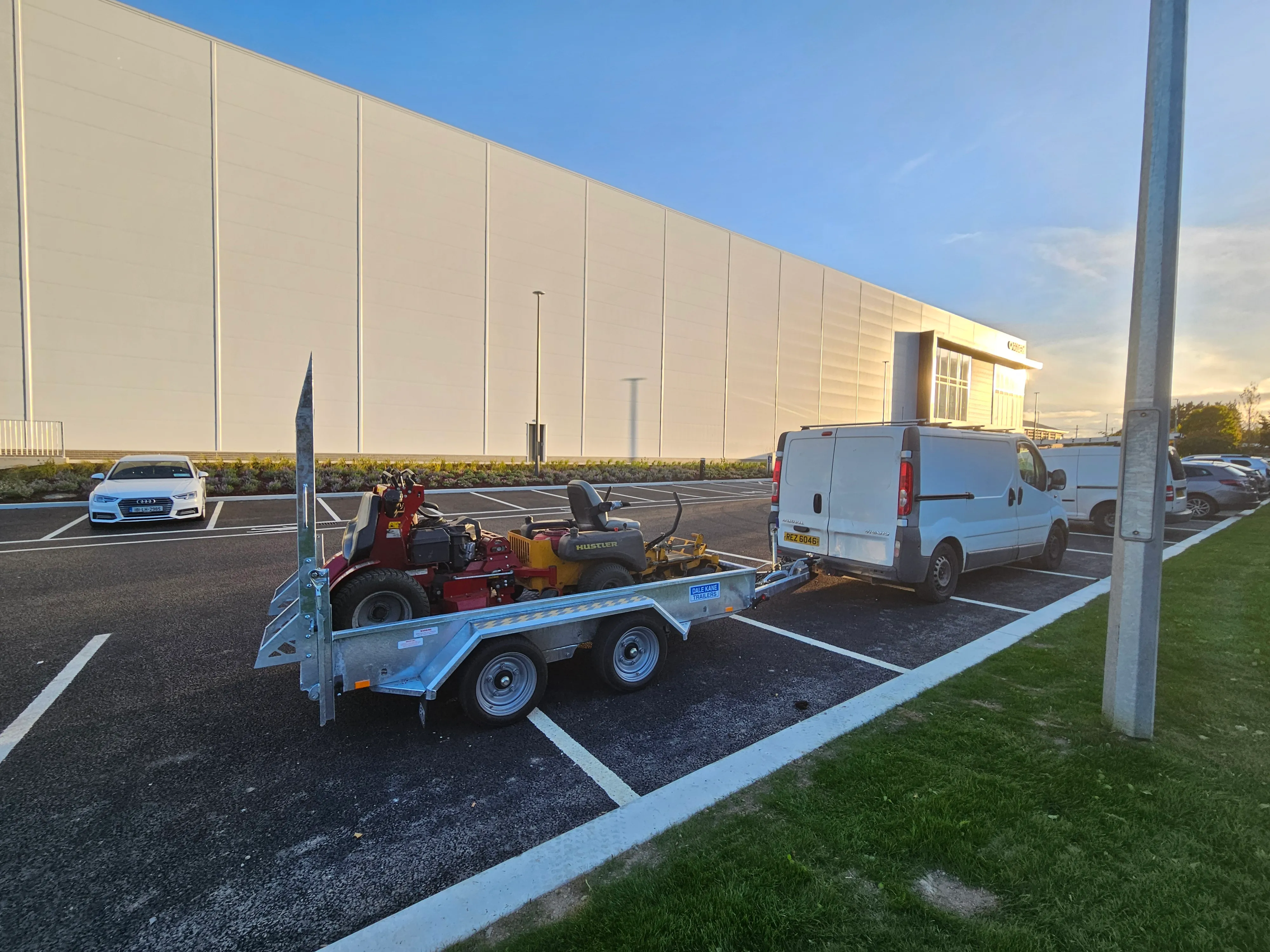
For large sites, this may require commercial-grade machinery including tractor-mounted flails, mulchers, and chippers.
Step 3: Waste Removal
Commercial site clearance generates a lot of green waste. All of it needs to be removed from site and disposed of responsibly at a licensed facility. For larger jobs, this can mean multiple trailer loads.
If there is non-green waste mixed in — rubble, fly-tipped materials, old furniture — this needs to be separated and disposed of through the appropriate waste streams.
Step 4: Hard Surface Recovery
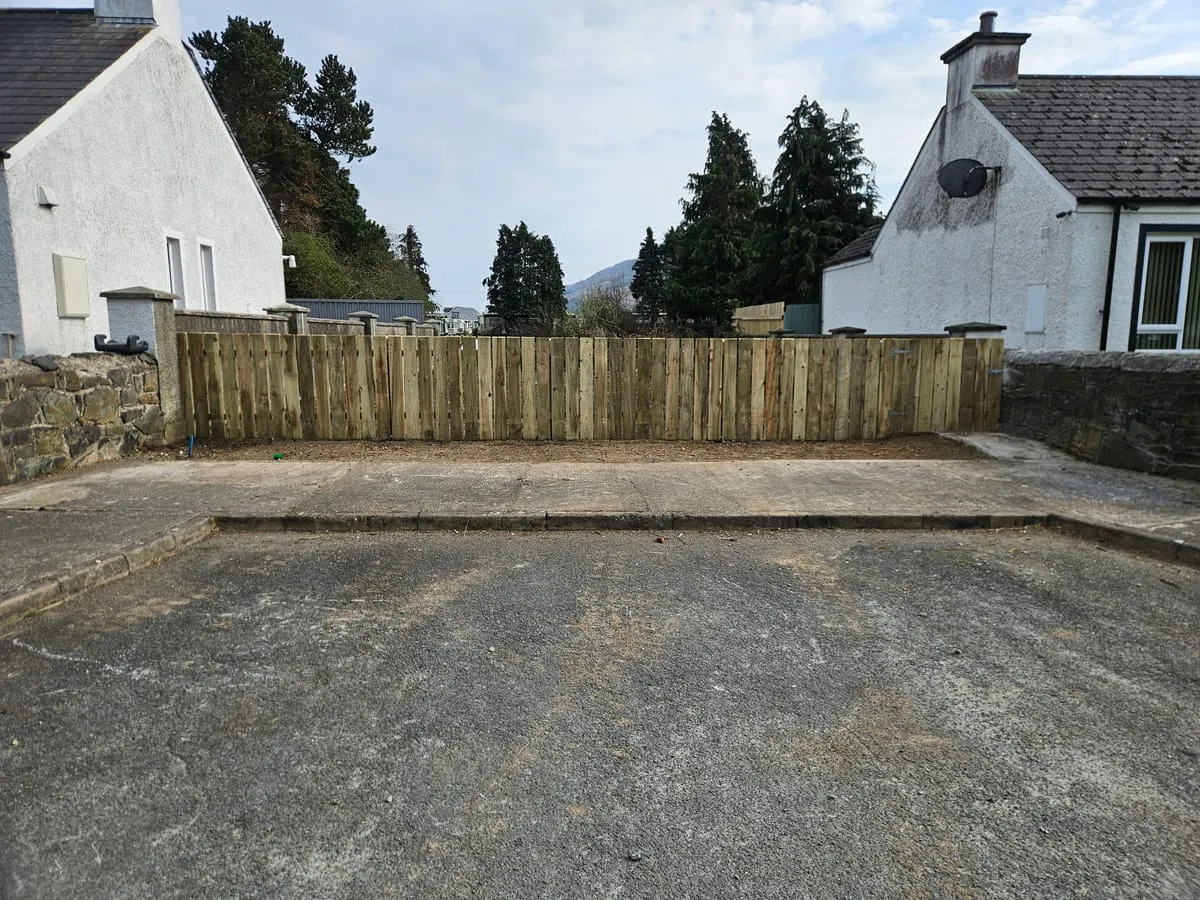
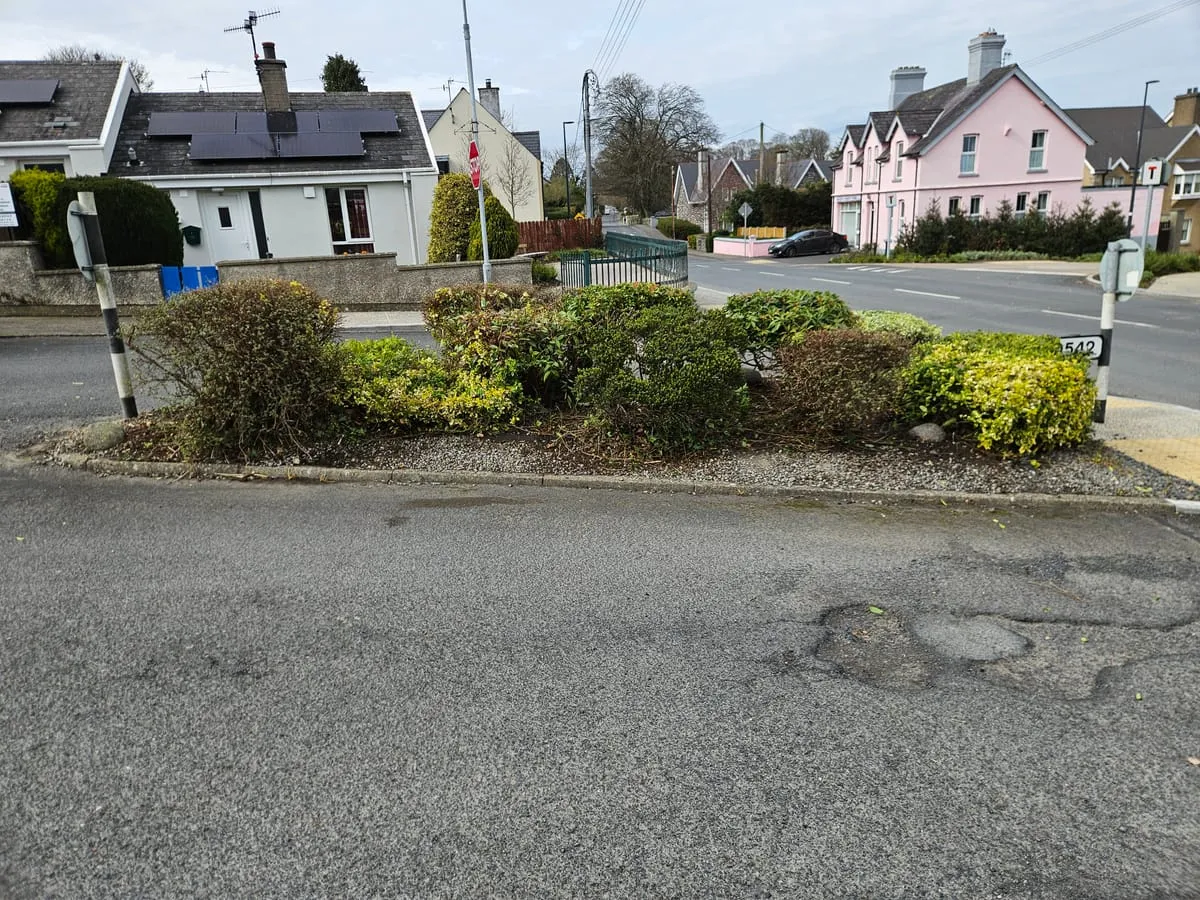
Once the vegetation has been cleared, the hard surfaces underneath need attention. Paths, car parks, and yards will likely need weed treatment to kill any remaining roots, followed by sweeping or pressure washing to restore them to a usable condition.
Any damage to paving, kerbs, or tarmac should be assessed and repaired where necessary.
Step 5: Establishment of Ongoing Maintenance
This is the most important step, and the one that most often gets skipped. There is no point spending money on clearing a site if you do not put a maintenance programme in place to keep it under control going forward.
A regular maintenance contract — even a basic one covering grass cutting, weed treatment, and hedge trimming — prevents the site from reverting to its overgrown state. It costs a fraction of what a repeat clearance would cost, and it keeps the property looking presentable and safe.
What Does Commercial Site Clearance Cost?
The cost depends on the size of the site, the severity of the overgrowth, access conditions, and the volume of waste to be removed. As a rough guide for sites in County Louth:
| Site Size | Condition | Typical Cost Range |
|---|---|---|
| Small (under 500m2) | Moderate overgrowth | EUR 500 — EUR 1,500 |
| Medium (500-2000m2) | Heavy overgrowth | EUR 1,500 — EUR 4,000 |
| Large (2000m2+) | Severely overgrown | EUR 4,000 — EUR 10,000+ |
These are indicative figures. Every site is different, which is why an on-site assessment is always the starting point.
Get Your Commercial Site Back Under Control
At Gardening Services Dundalk, Seamus and Pete have cleared and restored dozens of overgrown commercial sites across County Louth. From vacant retail units in Dundalk town centre to neglected industrial sites on the outskirts, we have the equipment, the experience, and the team to tackle sites of any size and condition.
If you have a commercial site that has got away from you, do not put it off any longer. The sooner you act, the less it costs and the less damage occurs to the property. Call us on 085 168 5170 for a free site assessment and quote. We will come out, walk the site with you, and give you an honest price for getting it back to where it should be — and a plan for keeping it there.