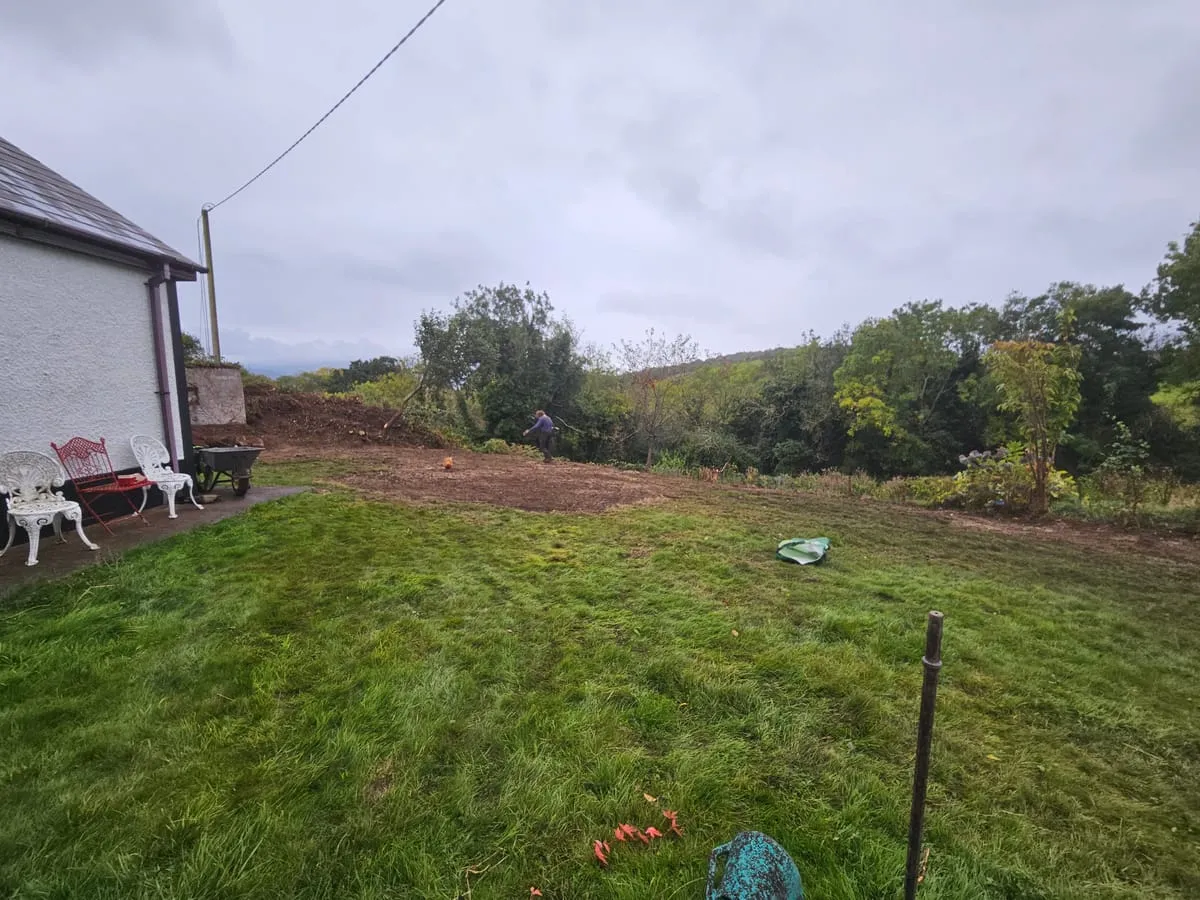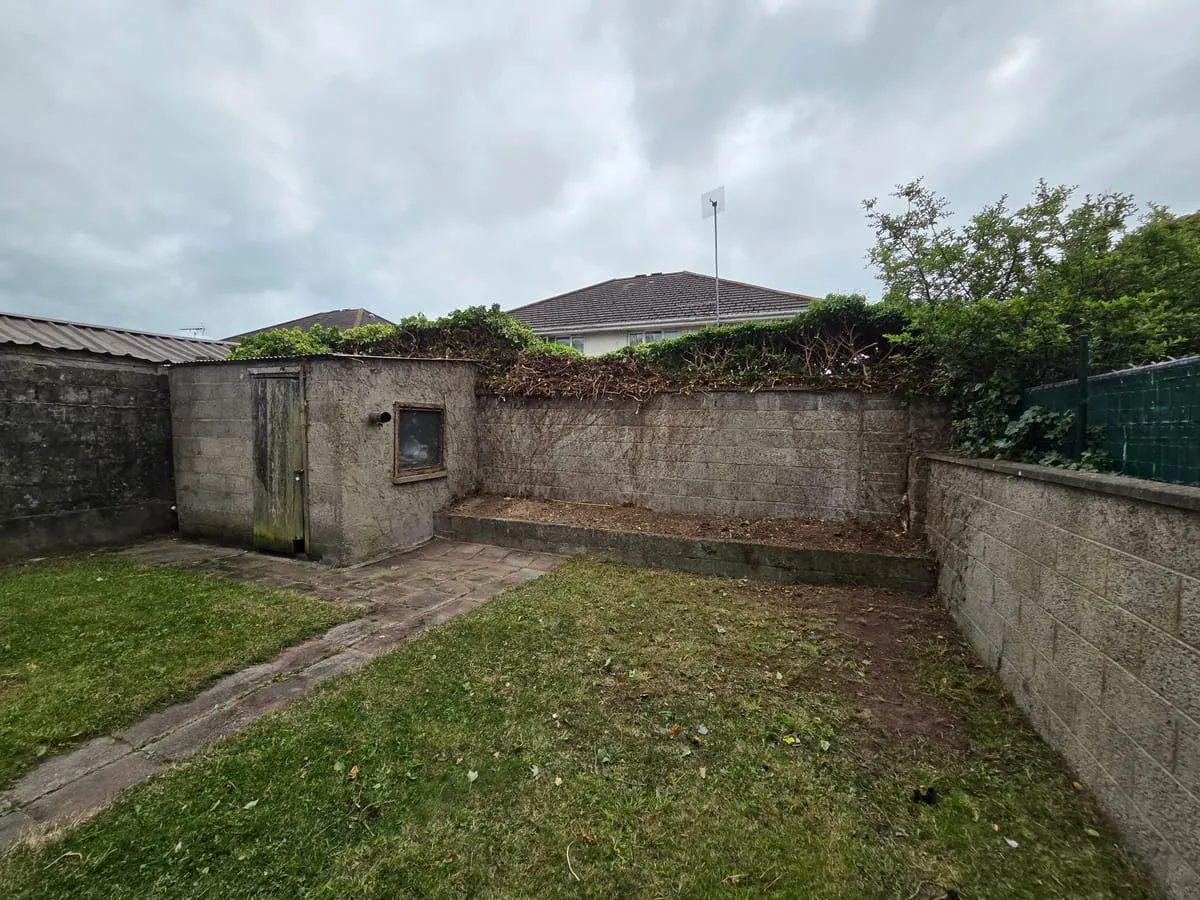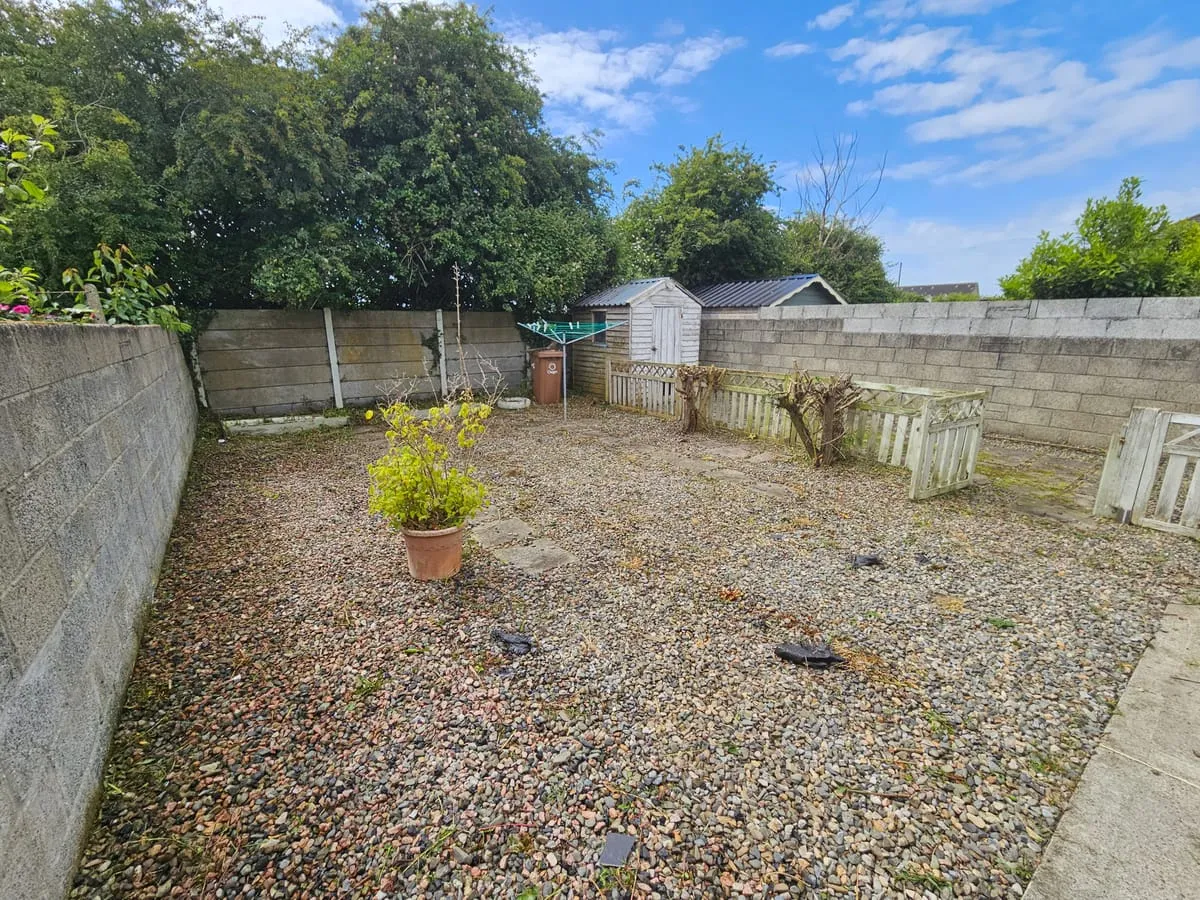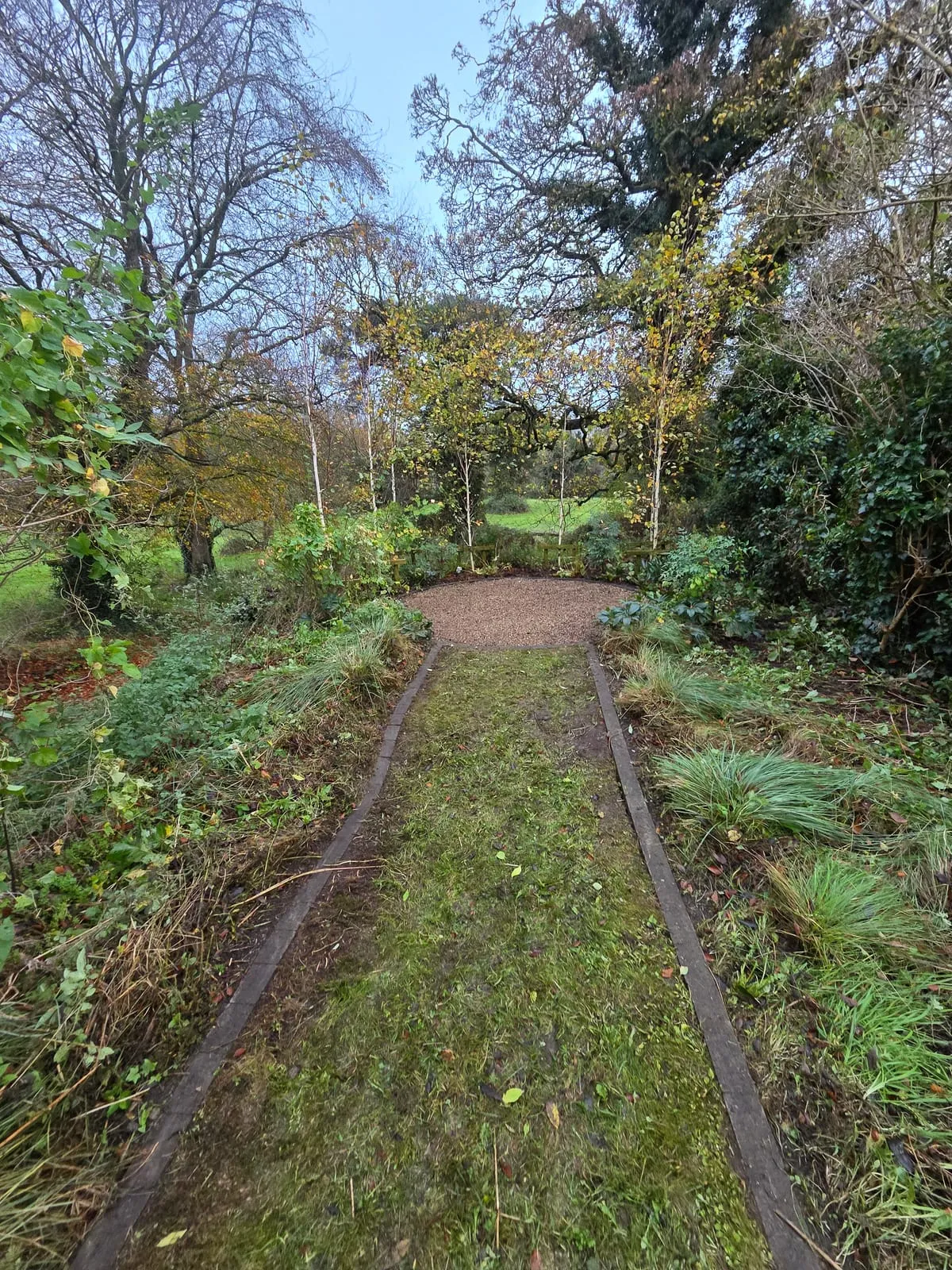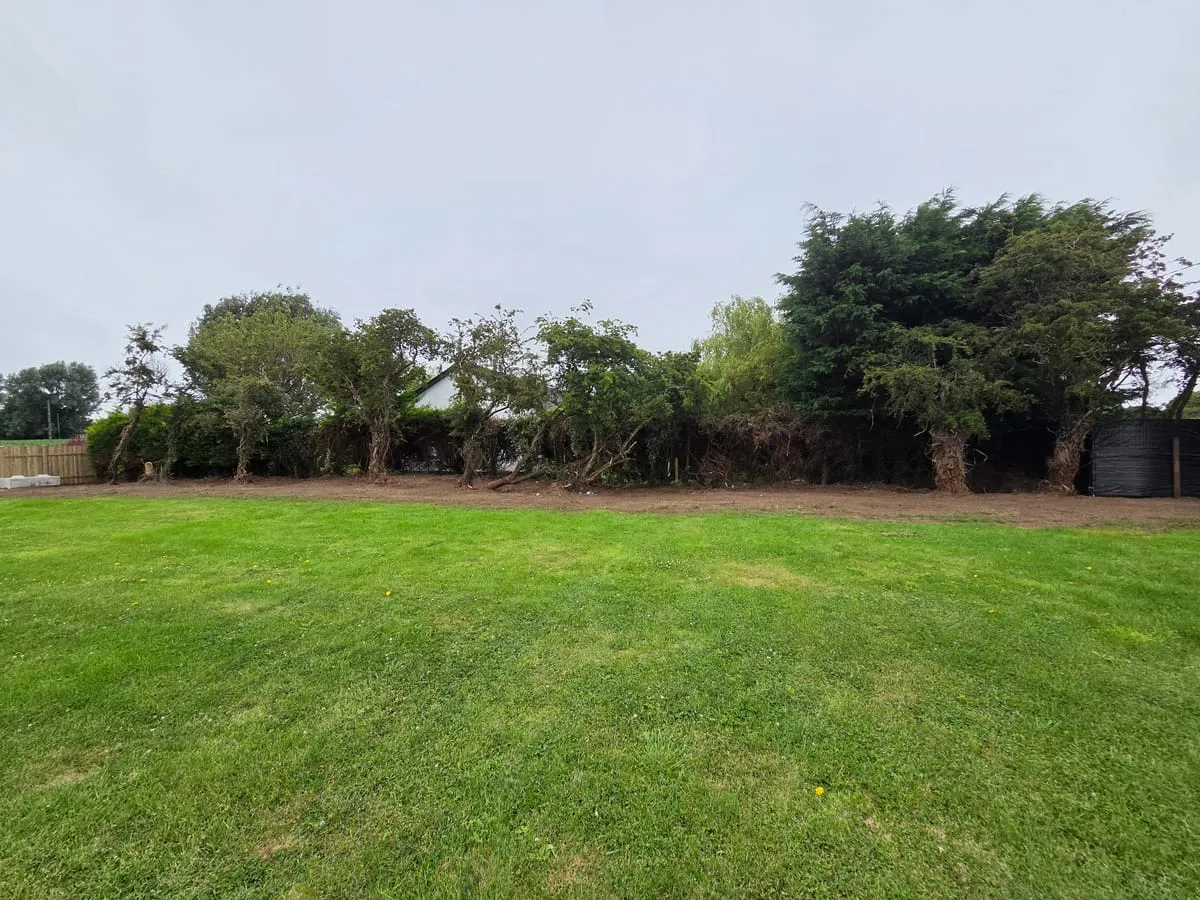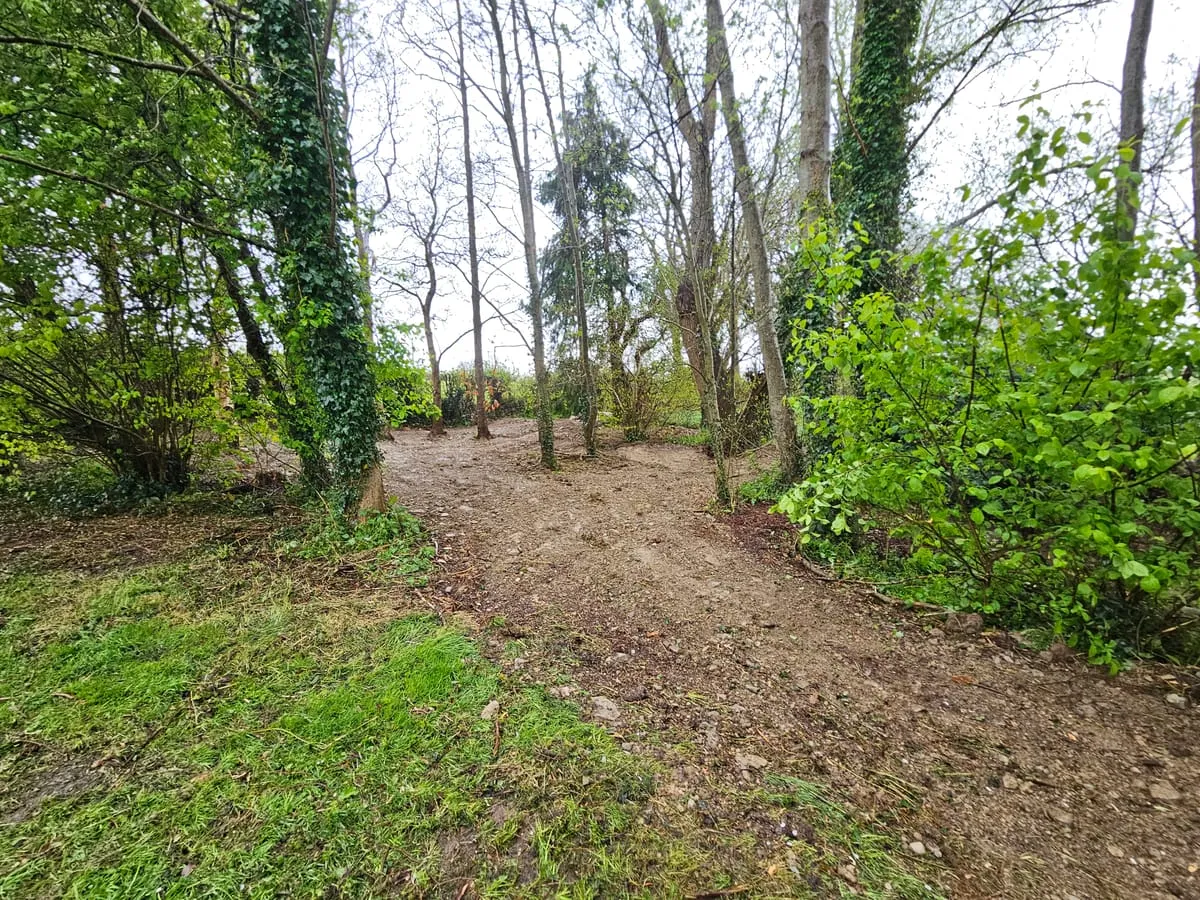
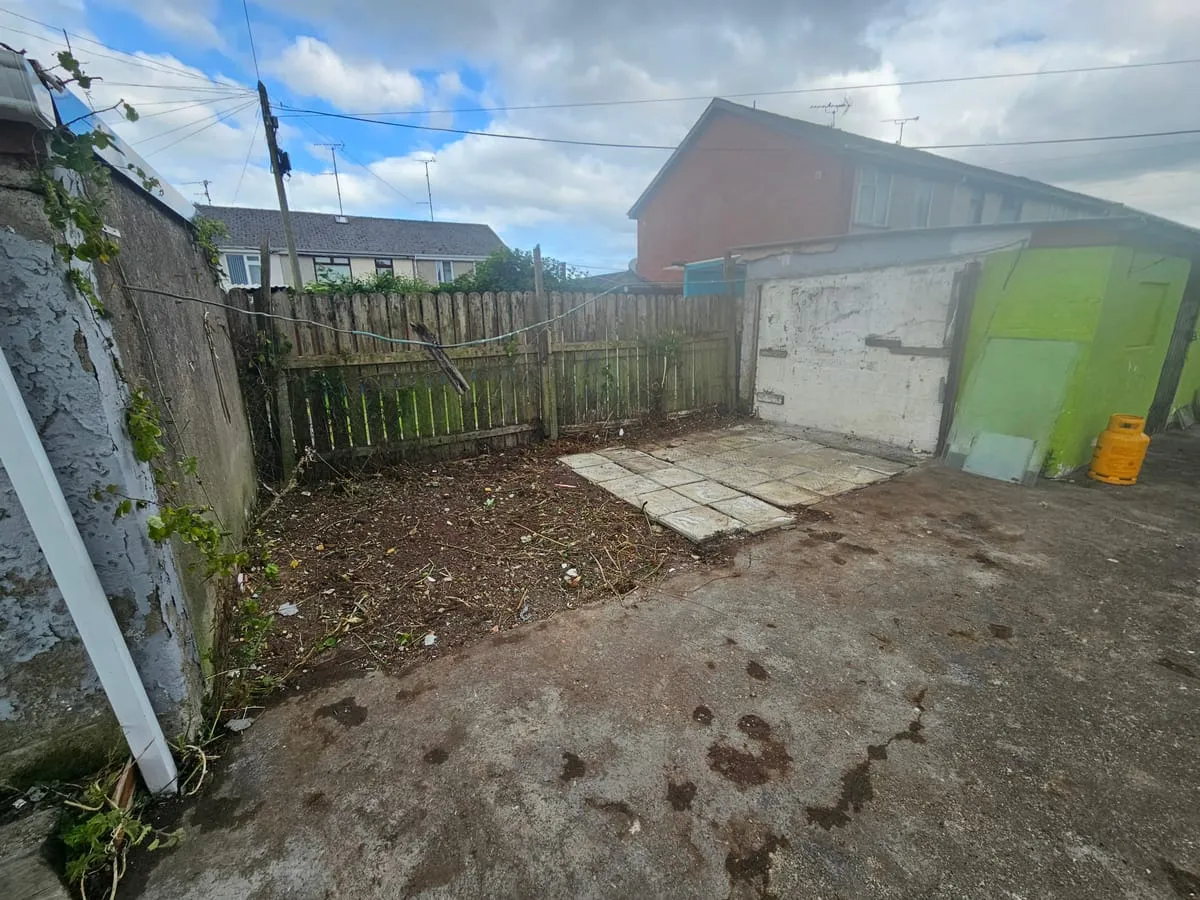
There is a moment in every overgrown garden transformation that makes the whole job worthwhile. It usually happens about halfway through, when the team has cut back enough vegetation to reveal the original shape of the garden underneath. You can suddenly see the back wall, the old patio, the path that has been hidden for years. The owner’s face tells the story every time — a mix of relief and excitement at what is possible.
We have been transforming overgrown gardens across Dundalk, Drogheda, and County Louth for over 35 years, and that moment never gets old. Every garden has its own story and its own set of challenges, but the end result is always the same — a space that the owner can actually use and enjoy again.
What Makes a Garden “Overgrown”?
Gardens do not become overgrown overnight. It is a gradual process that accelerates as each year passes. Here is how it typically unfolds in the Irish climate:
Year one of neglect
The grass gets long, weeds start to appear in beds and borders, and hedges lose their shape. At this stage, it is still a manageable weekend job for most people.
Years two to three
Brambles start establishing from the boundaries, growing at a remarkable rate — up to 5 metres in a single season. Self-seeded trees appear, usually ash, sycamore, or elder. The lawn disappears under coarse grass and weeds. Shrubs merge into shapeless masses.
Years four to five
The garden becomes genuinely difficult to access. Brambles form dense, thorny thickets. Self-seeded trees are now 3-4 metres tall. Old structures — fences, sheds, garden furniture — are being consumed by growth. The original layout of the garden is no longer visible.
Five years and beyond
At this point, the garden has essentially returned to scrubland. Dense vegetation covers everything. Trees are maturing and may be affecting boundaries, drains, or structures. The clearance job is now a substantial piece of work requiring professional equipment.
The Transformation Process
Every overgrown garden transformation follows a similar process, though the scale and timeline vary depending on how severe the overgrowth is. Here is how we approach it.
Phase 1 — Initial assessment
Before any cutting starts, we walk the site (as much as possible) to assess what we are dealing with. We look for:
- The overall size and layout of the space
- Types of vegetation (brambles, trees, general overgrowth)
- Any structures or features worth keeping
- Access points for equipment and waste removal
- Potential hazards (hidden drops, old wells, buried materials)
This assessment determines the equipment we bring, the size of the crew, and how long the job will take.
Phase 2 — First cut
The initial cut is all about visibility. Using commercial brush cutters and strimmers, we cut everything back to roughly knee height. This reveals the ground level, shows us where the paths and boundaries are, and lets us plan the rest of the clearance efficiently.
This is usually the most dramatic stage visually — the garden suddenly looks twice the size it did an hour ago.
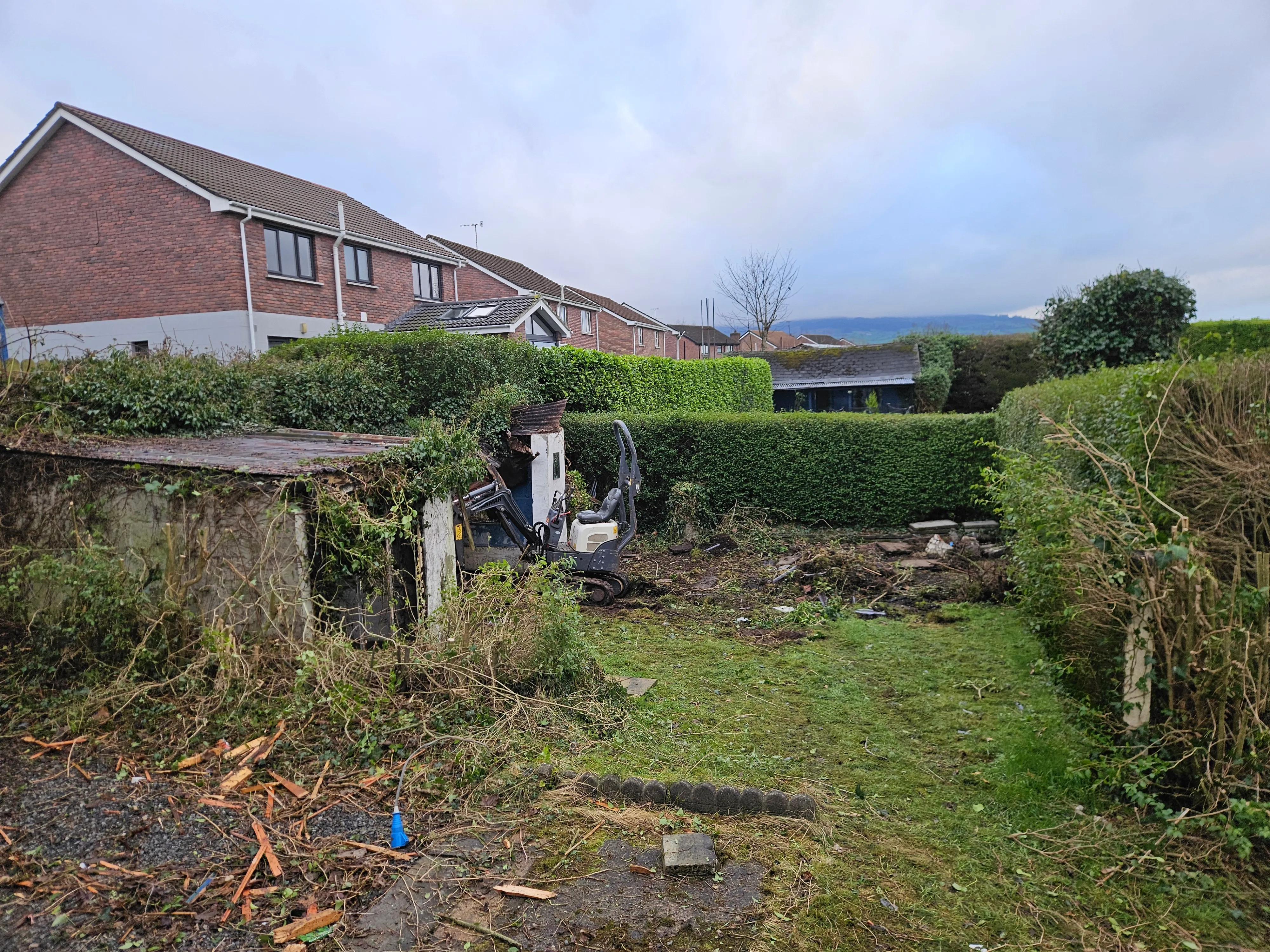
Phase 3 — Clearing woody growth
With the light vegetation cut back, we tackle the heavier stuff — bramble thickets, self-seeded trees, overgrown hedging, and woody shrubs. This involves chainsaws, heavy-duty loppers, and in some cases a mini digger for removing stumps and root systems.
Brambles need particular attention because simply cutting them back is not enough. The root systems need digging out, otherwise new shoots will appear within weeks. For large areas of established bramble, we may use a combination of cutting and targeted herbicide treatment.
Phase 4 — Waste removal
This is the part people always underestimate. An overgrown garden produces an astonishing amount of waste. A typical semi-detached back garden that has been neglected for five years can easily produce 10-15 cubic metres of green waste — enough to fill two or three large trailers.
All of this gets loaded, transported, and taken to a licensed green waste facility. We sort as we go — green waste, timber, and any non-organic materials all go to the appropriate recycling stream.
Phase 5 — Ground preparation
Once the garden is cleared, the ground underneath often needs attention. Years of neglect leave the soil compacted, full of roots, and uneven. Depending on what the owner wants to do next, we will:
- Rake out remaining roots and debris
- Rotavate to break up compacted soil
- Level the ground
- Add topsoil if needed
- Prepare for turfing, seeding, or further landscaping work
Phase 6 — The finishing touches
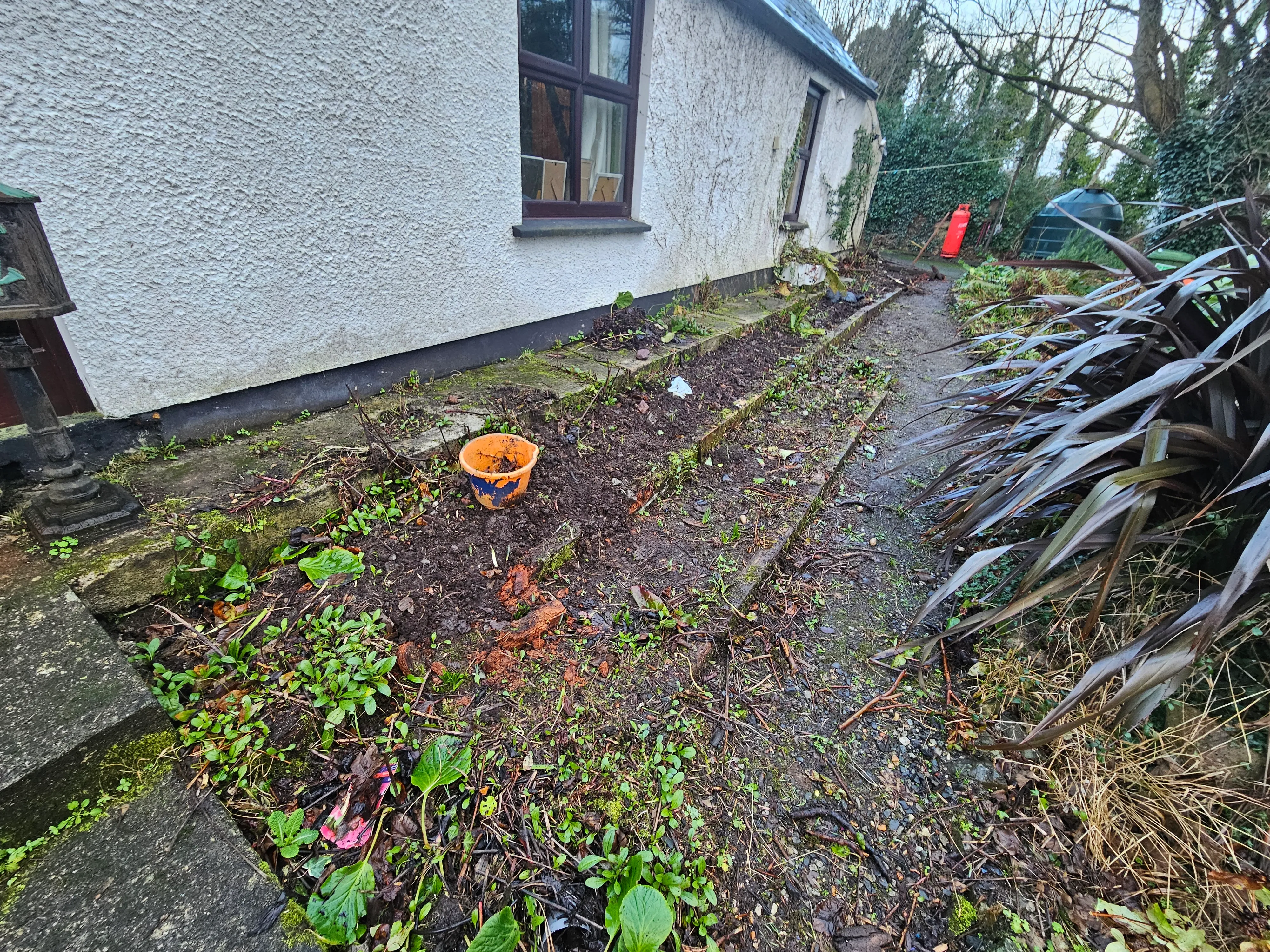
The final stage depends on the owner’s plans. For some, a basic tidy — mowed grass, clean boundaries, and a clear space — is all that is needed. Others want to go further with new planting, a patio, fencing, or a complete garden redesign. Either way, the transformation from overgrown jungle to usable outdoor space is complete.

How Long Does a Transformation Take?
Based on our experience across County Louth, here are realistic timelines:
| Garden Condition | Garden Size | Typical Timeline |
|---|---|---|
| 2-3 years overgrown | Small (under 30m2) | Half a day |
| 2-3 years overgrown | Medium (30-80m2) | 1 day |
| 4-5 years overgrown | Medium (30-80m2) | 1-2 days |
| 5+ years overgrown | Medium (30-80m2) | 2-3 days |
| 5+ years overgrown | Large (80m2+) | 3-5 days |
These timelines assume a two-person crew with professional equipment. DIY clearance takes significantly longer — typically three to four times as long — due to lighter equipment and the inevitable breaks your body demands.
What Does It Cost?
Garden transformation costs depend on the size, condition, and what you want the end result to look like. For garden clearance alone (without follow-up landscaping), typical costs in the Dundalk area are:
- Small garden, moderate overgrowth: €250 — €500
- Medium garden, heavy overgrowth: €600 — €1,200
- Large garden, severe neglect: €1,200 — €2,500+
These include labour, equipment, and waste disposal. Follow-up work like turfing, planting, or hard landscaping is quoted separately based on the scope.
What Makes the Biggest Difference?
After over 35 years of doing this work, here are the things that have the biggest impact on the final result:
Removing brambles properly
Cutting brambles back is not enough. If the roots are left in the ground, they will regrow within weeks. Thorough root removal during the clearance phase prevents this and saves money on follow-up treatments.
Keeping mature features
Not everything needs to go. Mature trees, established hedging, and solid structural features like stone walls add character and maturity to a garden that new planting cannot replicate. A good clearance team will advise on what is worth keeping.
Preparing the ground thoroughly
The temptation after a dramatic clearance is to throw down some turf and call it done. But taking the time to properly prepare the soil — removing roots, improving drainage, adding topsoil — makes the difference between a garden that thrives and one that struggles.
Planning the next steps
Even if you are not doing a full landscaping project, having a rough plan for the garden helps guide the clearance. Knowing where you want lawn, beds, or a patio means the team can prepare those areas accordingly during the clearance.
Frequently Asked Questions
Can any overgrown garden be transformed?
In our experience, yes. We have never encountered a garden that was beyond recovery. The most severely neglected gardens simply take more time and effort, but the result is always a usable outdoor space. The only limiting factor is usually the budget, not the possibility.
Will my garden look bare after clearance?
It will look dramatically different, and yes, it can feel a bit bare at first — especially if you are used to seeing dense green growth everywhere. But that bare canvas is full of potential. Within a few weeks of reseeding or turfing, green starts to come back where you want it. Strategic planting fills in the rest over the following months.
What if I want to keep some of the wild feel?
Not every transformation has to result in a manicured lawn. Many of our clients want to keep a wilder area for wildlife, a meadow section, or a woodland corner. We can selectively clear — removing the problem plants and creating structure while keeping the natural character in certain areas.
How soon after clearance can landscaping work begin?
Ideally, allow one to two weeks between clearance and landscaping. This gives the ground time to settle, lets you assess the cleared site properly, and allows for any drainage issues to become apparent. If the ground is very wet (which is common in Irish winters), you may need to wait for drier conditions before starting construction work.
Ready for Your Transformation?
Every overgrown garden has a beautiful space hiding underneath. If yours is ready to be uncovered, Seamus and Pete would love to help. We have been transforming gardens across Dundalk, Drogheda, Ardee, and the whole of County Louth for over 35 years. We bring the experience, the equipment, and the enthusiasm to turn any overgrown garden into something you can be proud of.
Call us on 085 168 5170 to arrange a free site visit. We will walk the garden with you, talk through the options, and give you an honest quote. Your transformation starts with one phone call.