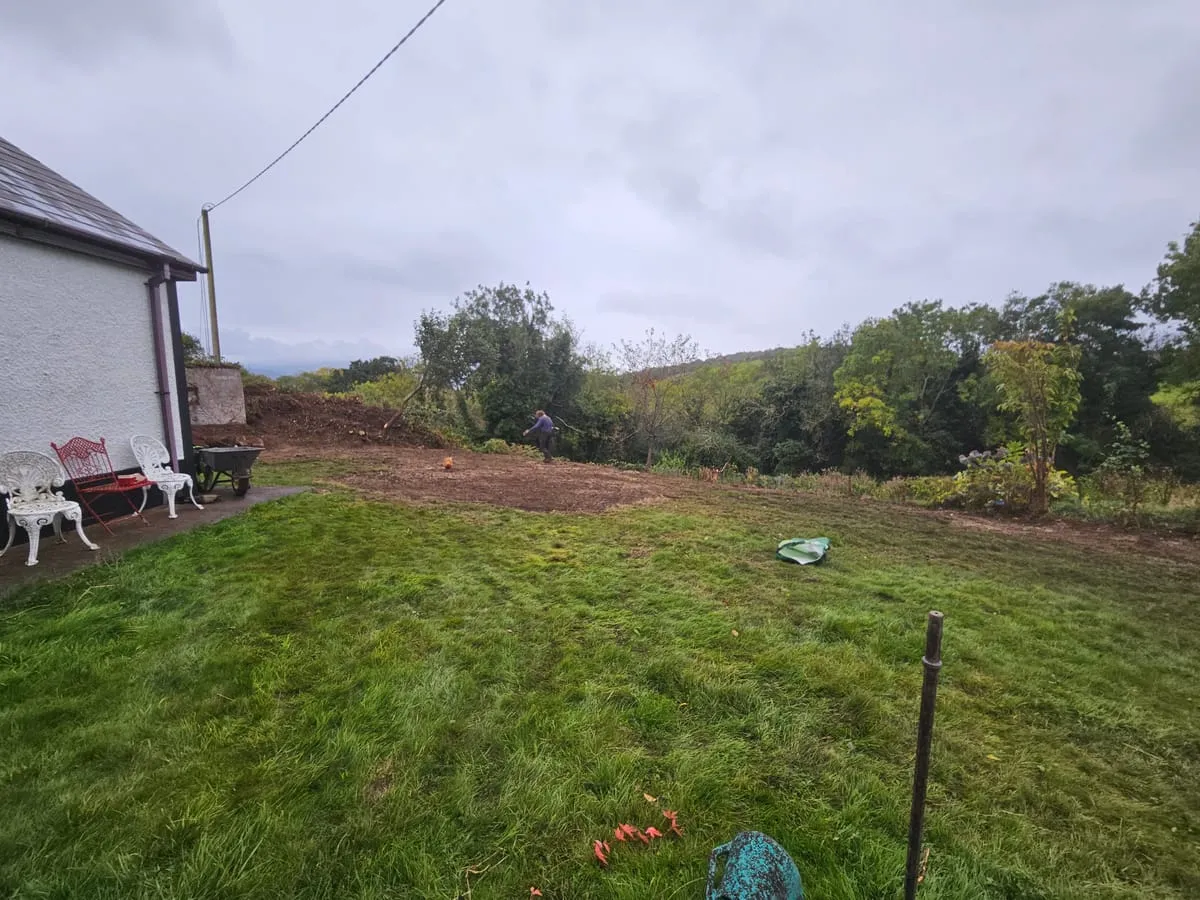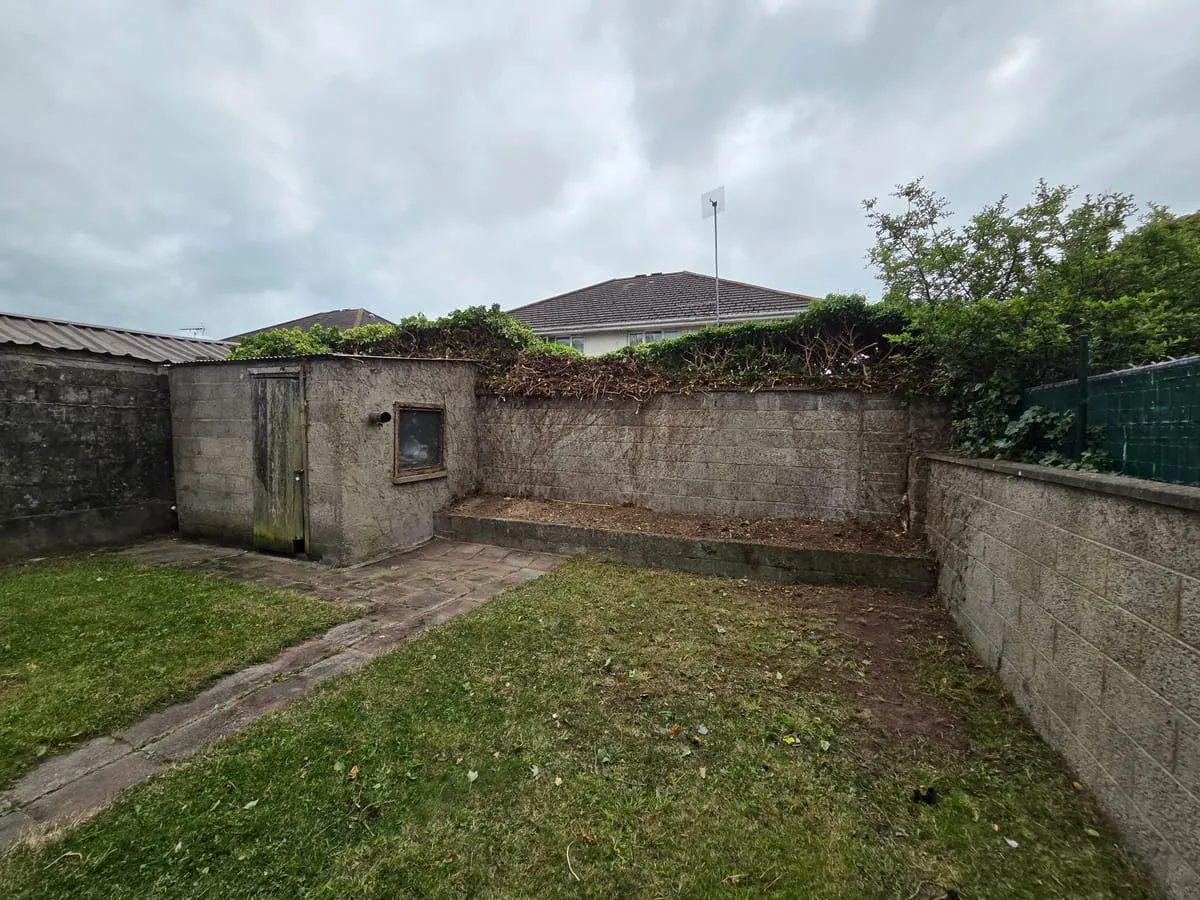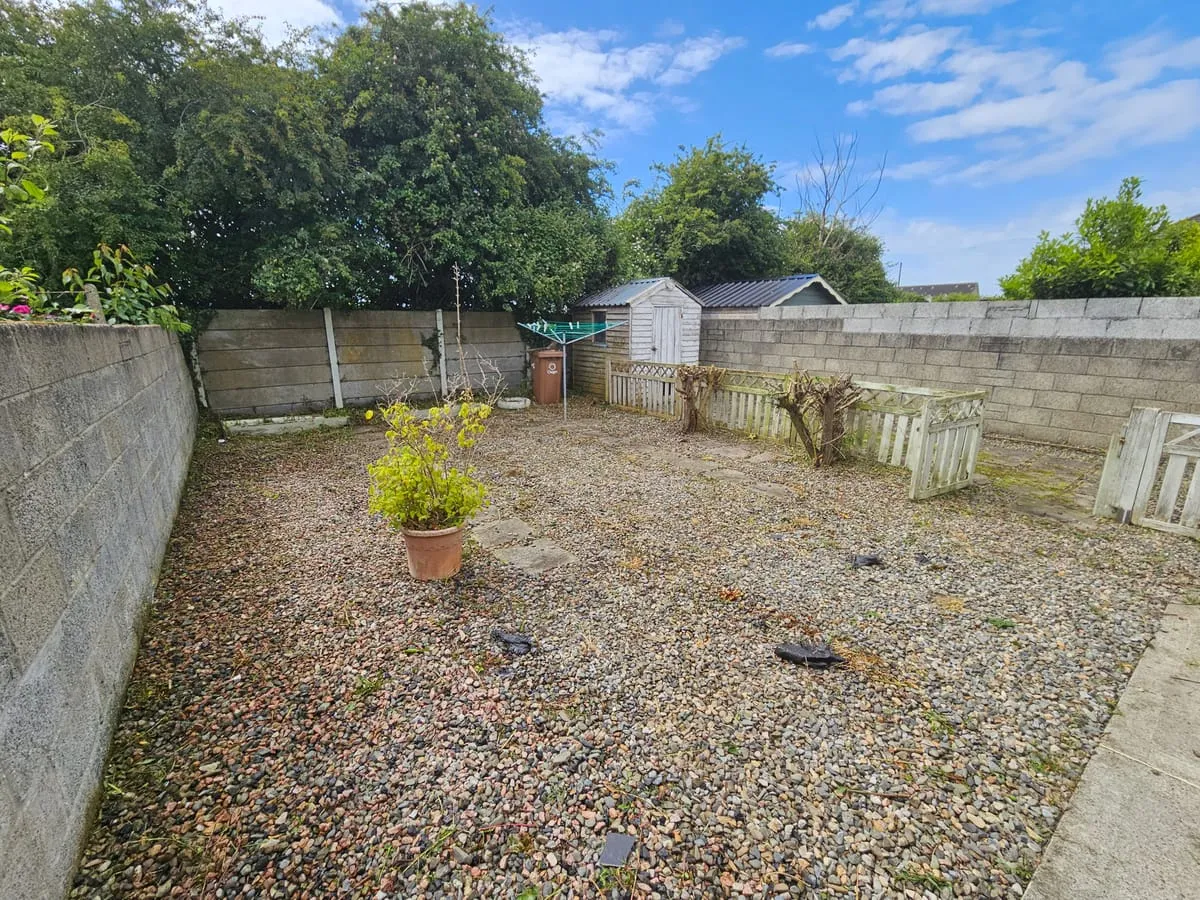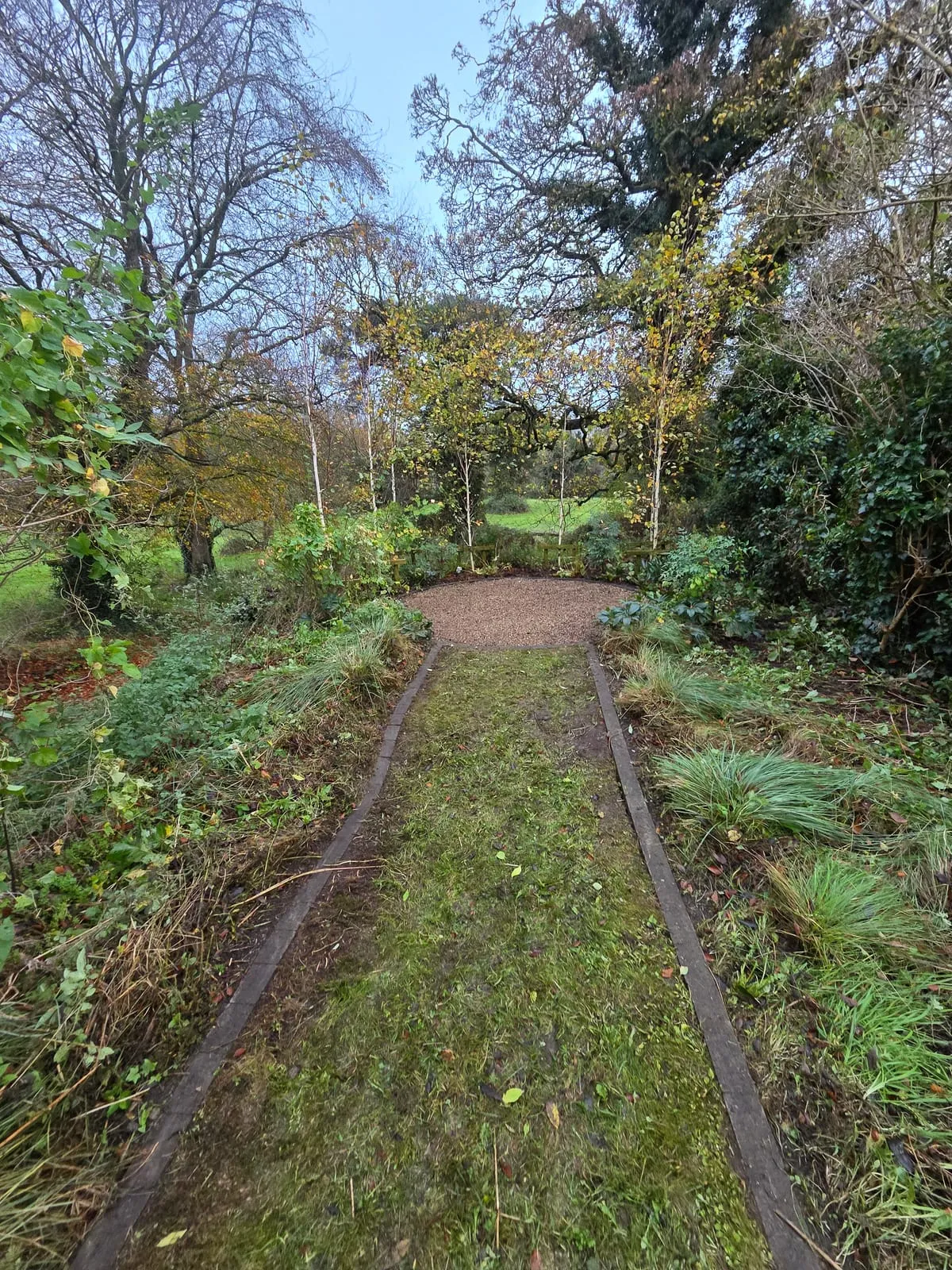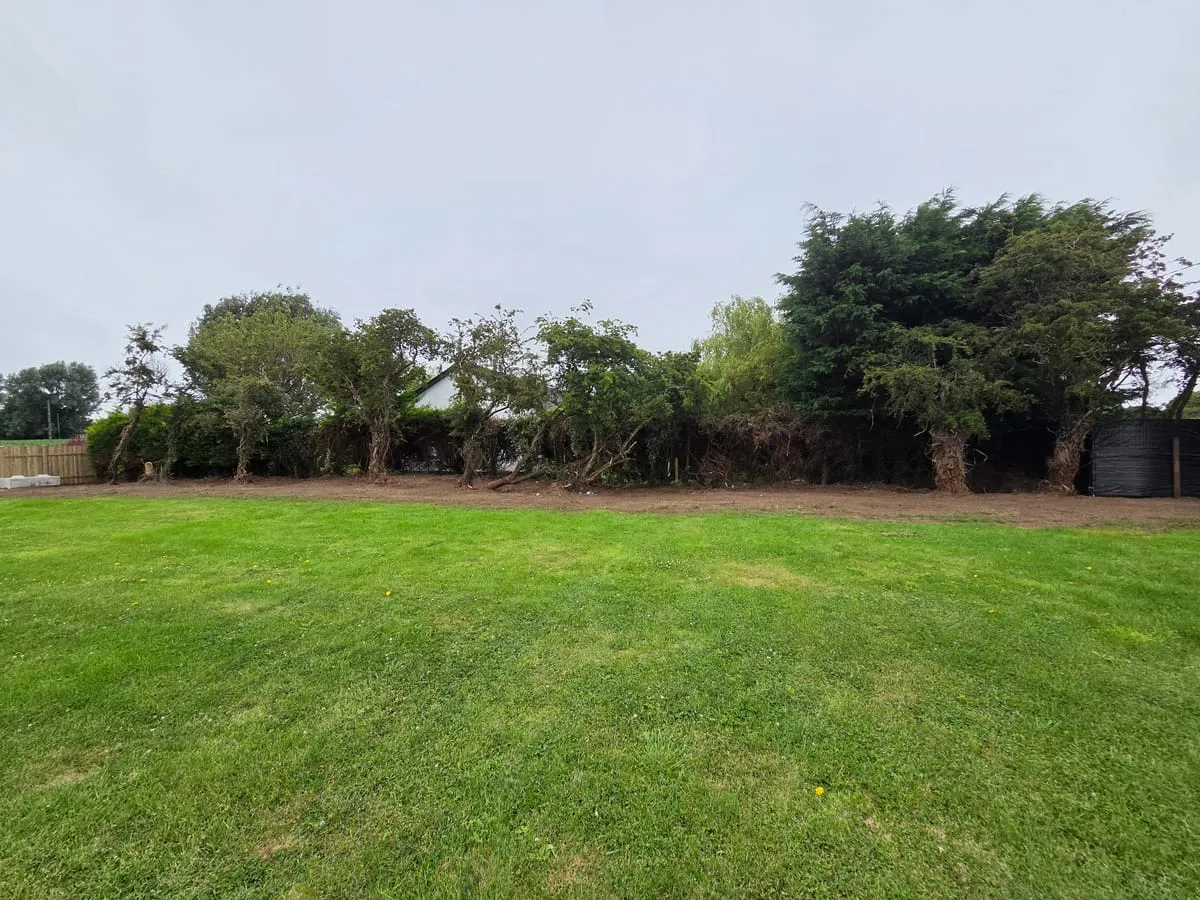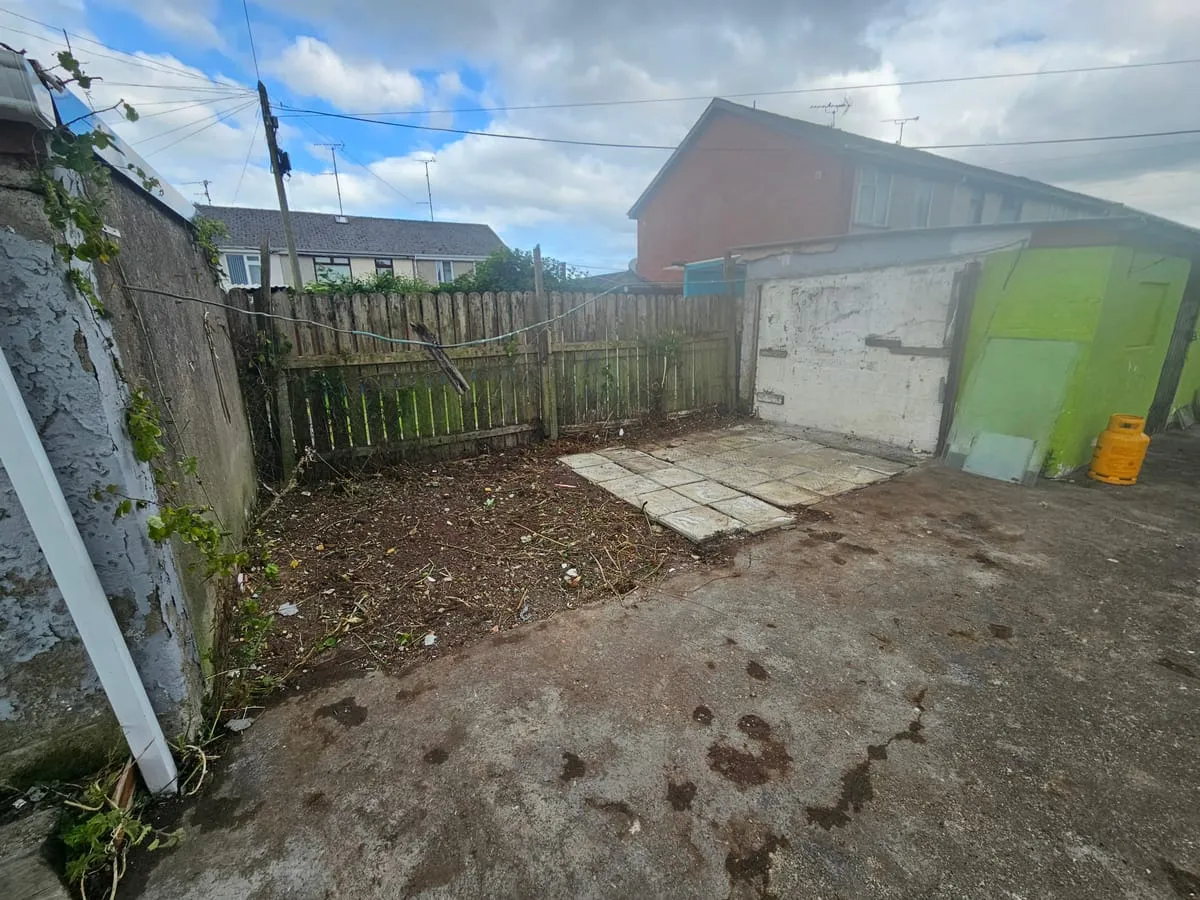
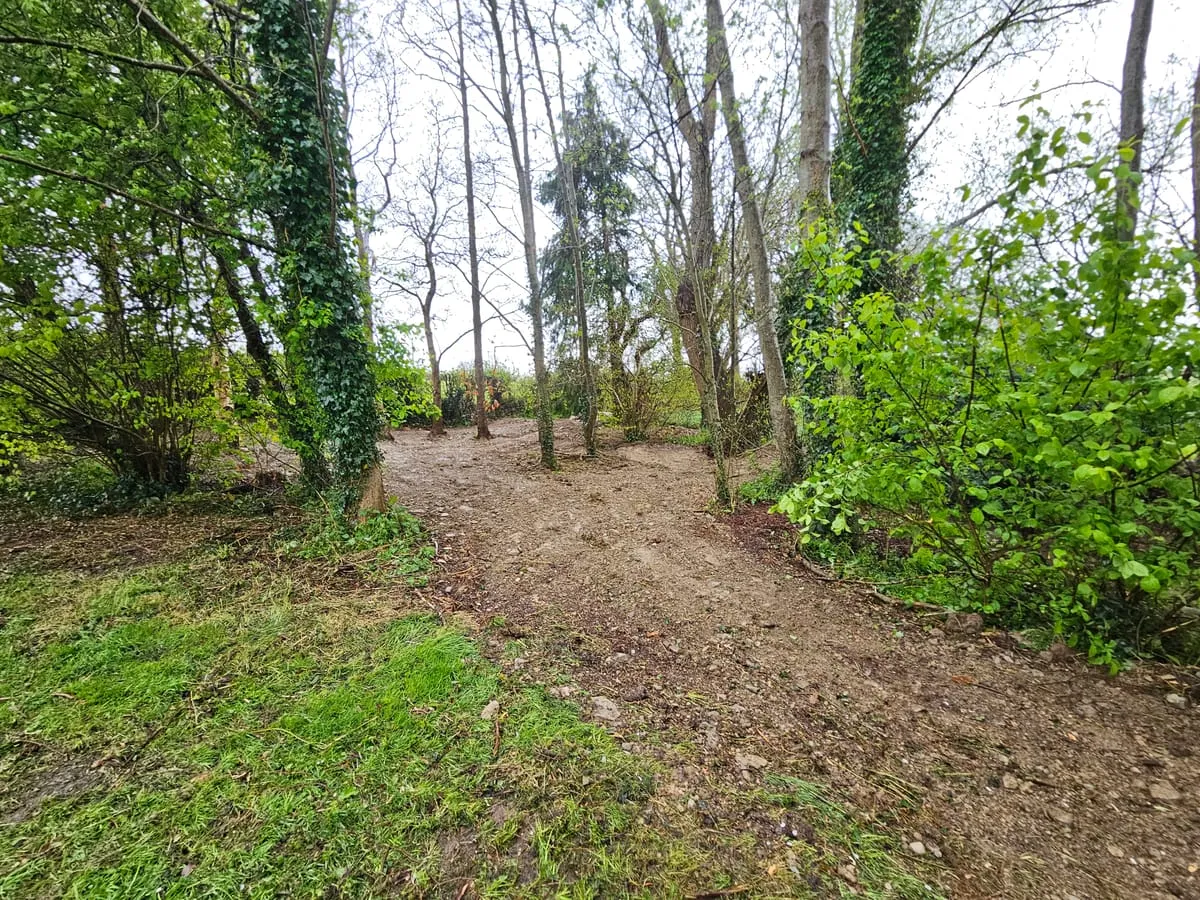
You have the plans drawn up. You have picked out the paving, chosen the plants, and know exactly where the new patio is going. But before any landscaping work can begin, there is a critical step that many homeowners overlook — preparing the ground. And in most cases, that means a proper garden clearance first.
We have worked alongside landscapers (and done plenty of landscaping ourselves) across Dundalk and County Louth for over 35 years. One thing we have learned is that the quality of a landscaping project depends hugely on the preparation underneath. Skip the prep work, and you are building on a poor foundation. Get it right, and everything that follows goes smoother, lasts longer, and looks better.
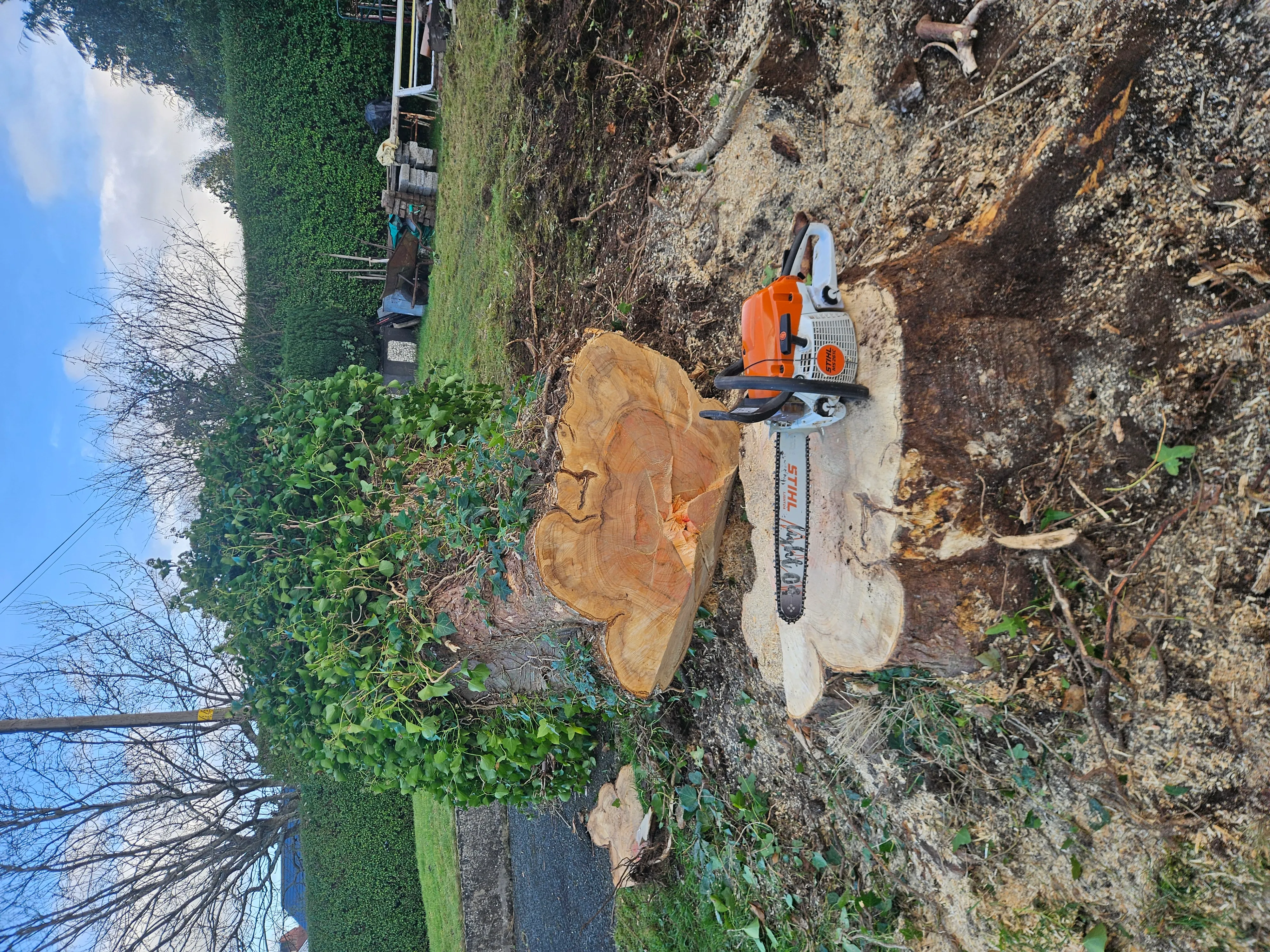
Why Clearance Comes Before Landscaping
Think of it like decorating a house. You would not paint over peeling wallpaper or lay new carpet on a cracked floor. The same logic applies to gardens. Before any new features go in, the existing site needs to be stripped back, cleaned up, and properly prepared.
Here is what happens when you skip the clearance:
- Old roots regrow through new lawns — bramble and couch grass roots left in the soil will push through turf and planting beds within weeks
- Uneven ground causes drainage problems — hidden bumps, buried rubble, and compacted soil lead to puddles, pooling water, and uneven surfaces
- Old materials interfere with new work — buried concrete, old landscape fabric, tree stumps, and compacted subsoil all create problems for new construction
- Weeds come back fast — seeds and root systems left in the soil are just waiting for the disturbed ground and fresh topsoil to give them a head start
A proper clearance avoids all of this and gives your landscaper a clean, level, well-prepared site to work with.
What Needs to Be Removed
The exact scope depends on your garden, but here is what a typical pre-landscaping clearance involves:
Existing vegetation
Everything that is not being kept needs to go — old lawn, weeds, overgrown shrubs, self-seeded trees, and any dead or diseased plants. This includes digging out root systems, not just cutting things back to ground level.
Old hard landscaping
If there is existing paving, decking, concrete, or edging that is being replaced, it needs to come out cleanly. Old concrete in particular can be a significant job to break up and remove, especially if it was laid thick.
Garden structures
Old sheds, greenhouses, raised beds, compost bins, and other structures that are not part of the new design need to be dismantled and removed. Even if they look solid, it is worth checking whether they are past their best before incorporating them into a new layout.
Hidden waste and debris
In gardens that have been established for a while, there is often buried material — old landscape membrane, rubble from previous building work, buried pipes, and all sorts. A thorough clearance uncovers these before they cause problems later.

Soil Preparation — The Foundation of Everything
Once the site is cleared, the soil itself needs attention. This is the step that separates a garden that thrives from one that struggles.
Check the soil condition
Irish soil varies massively even within a small area. In County Louth, you will find everything from heavy clay around the drumlin areas to lighter, better-draining soil closer to the coast. Knowing your soil type helps determine what work is needed.
Rotavation
After clearance, the top layer of soil is often compacted from years of foot traffic, machinery, or simply being squashed under heavy growth. Rotavating (mechanical digging) to a depth of 200-300mm breaks up compaction and allows air and water to move through the soil again.
Remove stones and roots
A post-clearance rotavation will bring old roots, stones, and debris to the surface. These all need to be raked out and removed before any topsoil or turf goes down.
Topsoil and soil improver
If the existing soil is poor — heavy clay, full of builder’s rubble, or depleted from years of neglect — adding quality topsoil or compost makes a huge difference. For new lawns, you want at least 100-150mm of good topsoil over prepared subsoil. For planting beds, mixing in organic compost improves drainage, nutrient levels, and root development.
Levelling
A level site is essential for lawns, patios, and any hard landscaping. Even small variations in levels can cause water to pool in the wrong places. This is done after rotavation and before any topsoil is spread.
Drainage — Do Not Ignore It
Drainage is the single most overlooked aspect of garden preparation in Ireland. Given how much rain we get, it should really be the first thing people think about.
Signs of drainage problems
- Persistent puddles or waterlogged areas after rain
- Moss covering large areas of the existing lawn
- Soil that stays wet and heavy even in summer
- Water pooling against the house or perimeter walls
What to do about it
If drainage is an issue, it needs addressing during the clearance and preparation phase — not after the new lawn is laid. Options include:
- French drains — perforated pipes in gravel-filled trenches that channel water away from problem areas
- Land drains — a network of drainage pipes laid beneath the soil, typically leading to a soakaway
- Raised beds and graded slopes — adjusting levels so water naturally flows away from the house and key areas
- Soakaways — underground chambers that collect and slowly disperse water into the ground
Your landscaper should assess drainage before finalising the design, and the clearance phase is the right time to install any drainage infrastructure.

Working with Your Landscaper
Good communication between the clearance team and the landscaper makes for a much smoother project. Here is how we typically work:
Before clearance starts
We talk to the landscaper (or look at the plans if there are any) to understand exactly what is happening. This tells us what needs to go and what stays, where access is needed for machinery, and what level of ground preparation is required.
During clearance
If we uncover anything unexpected — hidden drains, old foundations, problem soil — we flag it early. It is much easier to adjust plans at this stage than after new work has started.
Handover
When the clearance is complete, the site should be clean, level (or graded as required), and ready for the landscaping team to start work. A good handover means no delays, no surprises, and no rework.
If you are planning a garden landscaping project, having the same team handle both clearance and landscaping can save time and money. There is no handover gap, the team knows the site intimately, and the work flows seamlessly from one phase to the next.
How Long Does Preparation Take?
For a typical domestic garden in Dundalk:
| Garden Size | Preparation Work | Typical Timeline |
|---|---|---|
| Small (under 30m2) | Clearance and basic soil prep | 1 day |
| Medium (30-80m2) | Full clearance, rotavation, levelling | 1-2 days |
| Large (80m2+) | Full clearance, soil improvement, drainage | 2-4 days |
This is the garden clearance and preparation phase only — the landscaping itself is additional. But investing this time upfront means the landscaping goes faster and the results last longer.
Frequently Asked Questions
Should I hire the clearance team separately from the landscaper?
It depends on the project. Some landscapers prefer to do their own site clearance. Others would rather arrive to a prepared site. If you are using a separate clearance team, make sure they coordinate with the landscaper on levels, access, and what to keep. Alternatively, using a team like ours that does both clearance and landscaping keeps everything under one roof.
How far in advance should clearance be done before landscaping starts?
Ideally, clearance should be completed one to two weeks before landscaping begins. This gives time for the ground to settle, any drainage work to be tested, and for you and the landscaper to review the cleared site before committing to the final design. Do not leave too long a gap, though — weeds can start to recolonise bare ground within a few weeks.
Do I need to remove all the old topsoil?
Not usually. Unless the soil is contaminated, full of rubble, or very poor quality, existing topsoil can be improved rather than replaced. Adding compost, rotavating, and mixing in fresh topsoil where needed is usually more practical and cost-effective than a full soil replacement.
What if the clearance reveals a problem with the garden design?
This happens more often than you might think. Hidden features, unexpected soil conditions, or drainage issues can all affect the planned layout. A good landscaper will be flexible enough to adapt the design. This is actually one of the advantages of doing thorough clearance first — it is better to discover problems before construction starts rather than halfway through.
Let Us Get Your Garden Ready
Whether you have a landscaping project in the pipeline or you are just starting to think about what is possible, getting the preparation right is the most important step. Seamus and Pete have been clearing and preparing gardens across Dundalk and County Louth for over 35 years. We know the ground, we know the soil, and we know how to get a site ready for whatever comes next.
Call us on 085 168 5170 for a free site visit and quote. We will work with you — and your landscaper if you have one — to make sure the foundation is right.