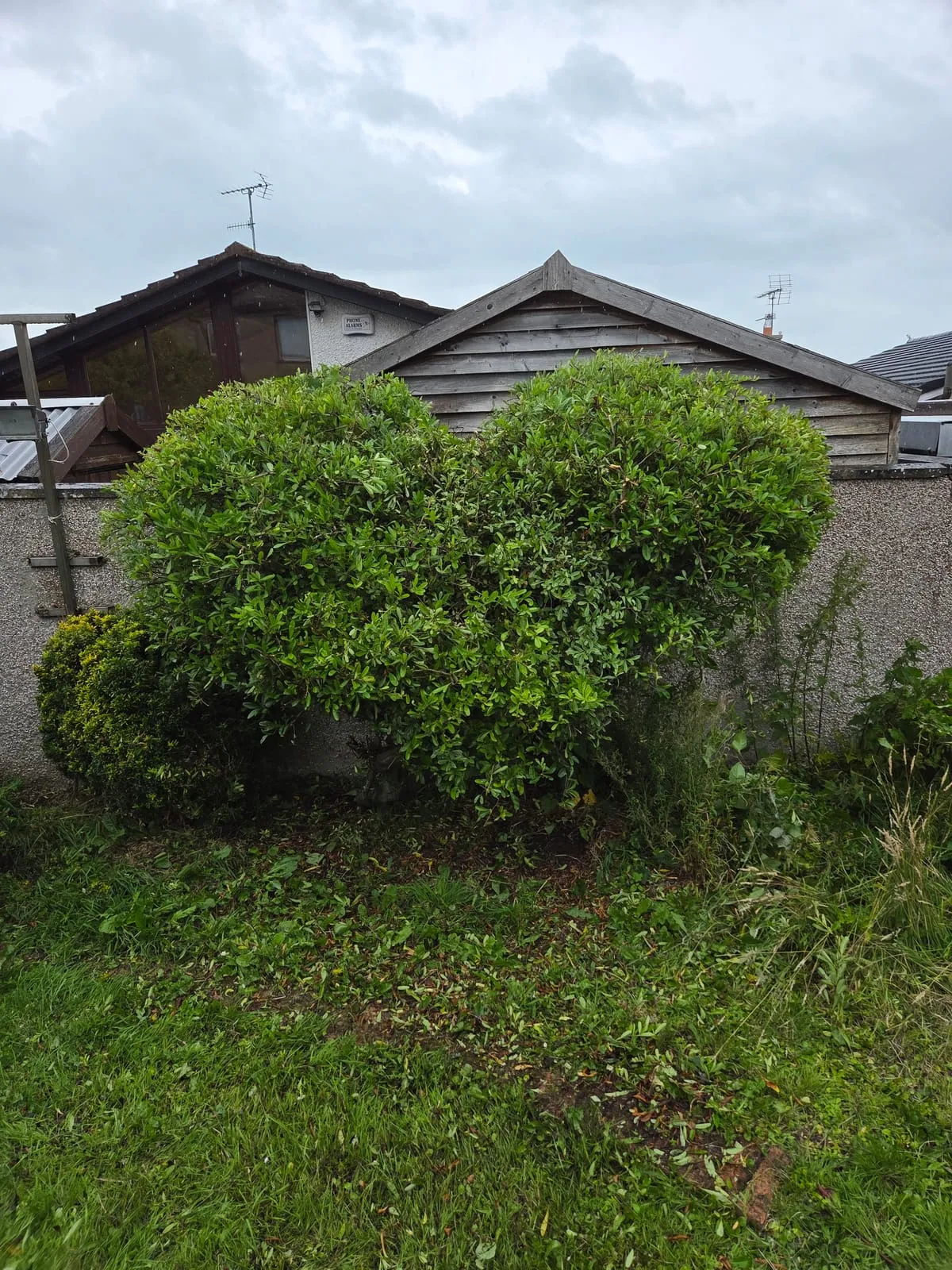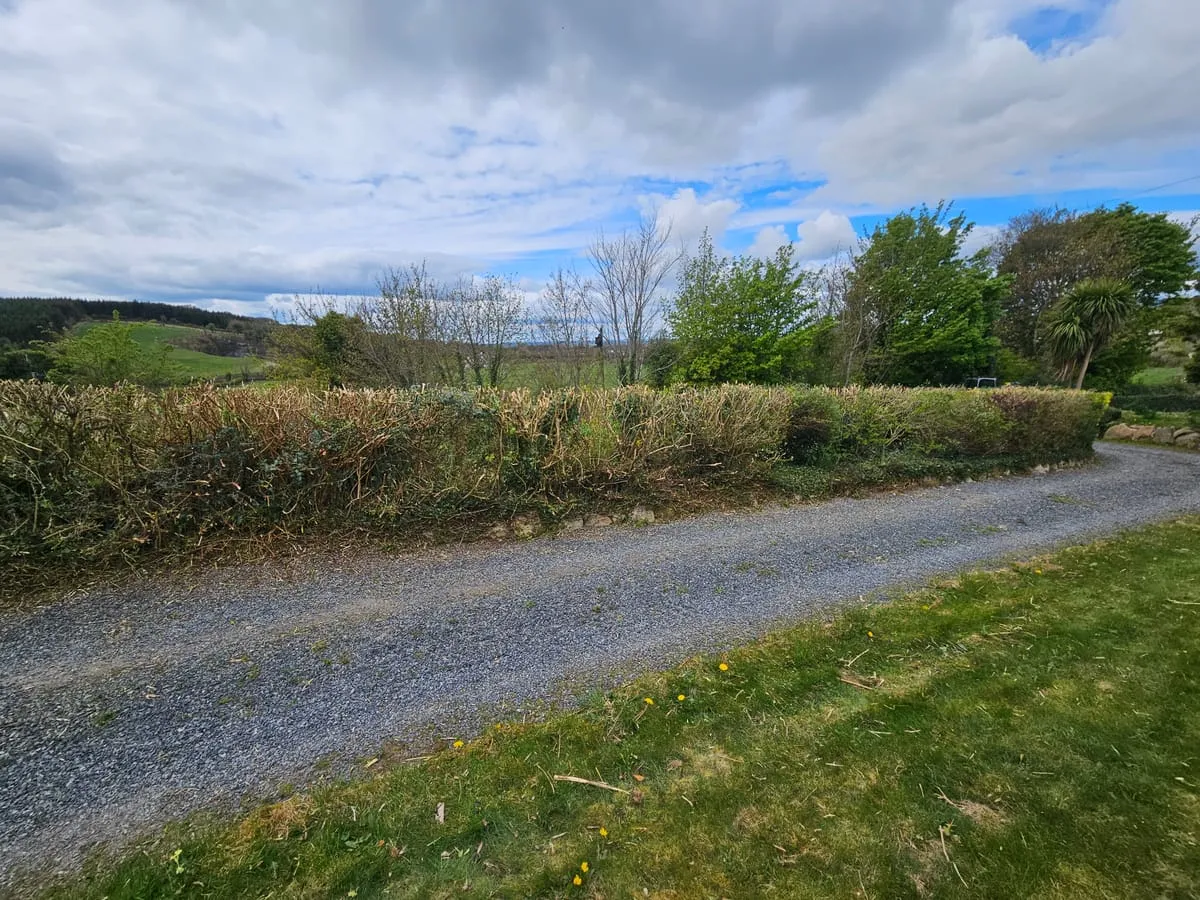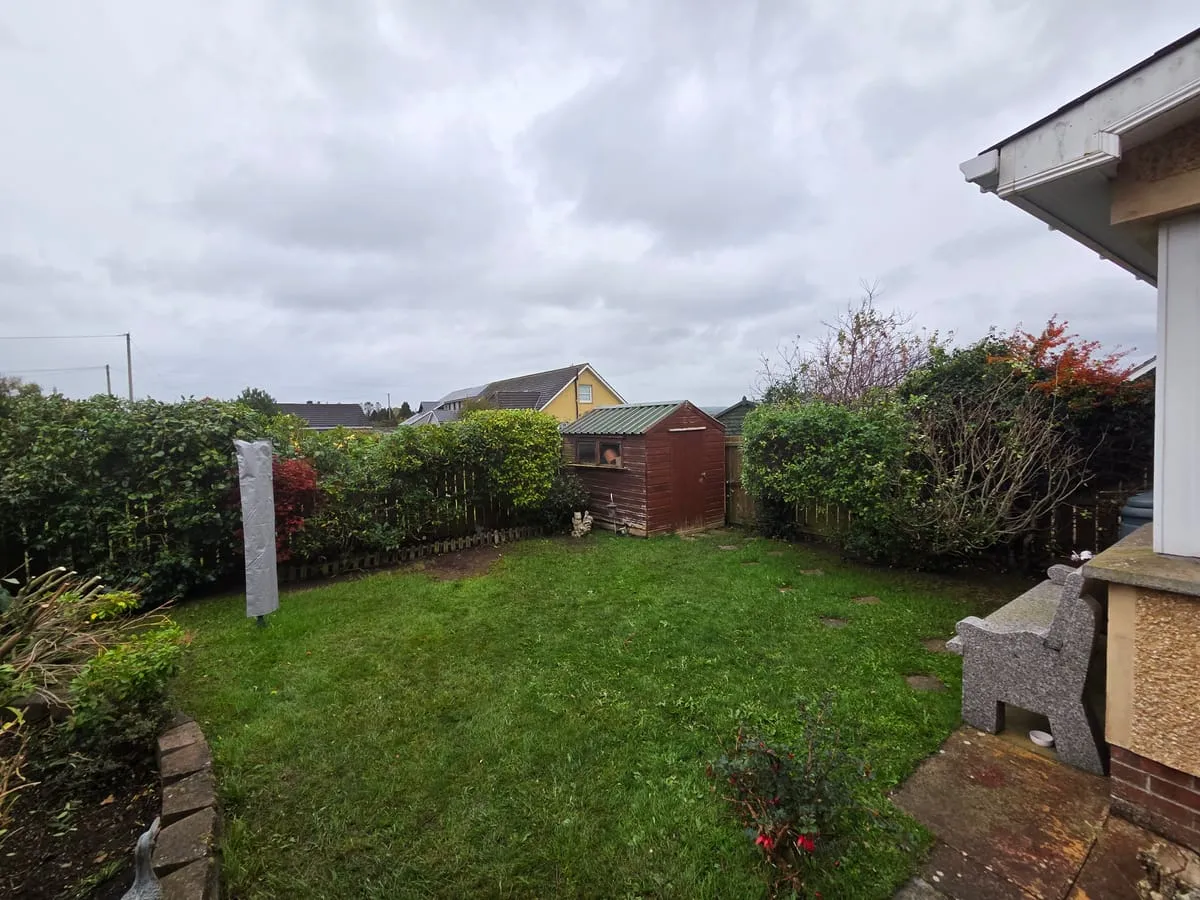
Privet is one of the most popular hedging plants in Ireland, and it has been a fixture of front gardens, driveways, and perimeter lines for generations. It grows fast, it clips well, and it gives a neat, formal look that suits all sorts of settings. But that fast growth is a double-edged sword: let a privet hedge go for even a few months and it can look wild and unkempt.
The key to a good-looking privet hedge is knowing when to trim, how to trim, and how to deal with the problems that crop up along the way. Here is our complete guide, based on over 35 years of maintaining privet hedges across Dundalk and County Louth.
Understanding Privet
The most common privet grown in Ireland is oval-leaved privet (Ligustrum ovalifolium). It is semi-evergreen, meaning it holds most of its leaves during mild Irish winters but can drop some in particularly cold spells. There is also a golden variety (Ligustrum ovalifolium ‘Aureum’) which has bright yellow-green leaves and adds a splash of colour.
Privet grows at a rate of 30-50cm per year, which puts it in the fast-growing category. It responds brilliantly to regular clipping, becoming denser with each trim. Left alone, it will grow into a large, untidy shrub up to 4-5 metres tall, which is not what most people have in mind.
How Often Should You Trim Privet?
This is the most important thing to understand about privet: it needs trimming two to three times per year to stay looking sharp. Unlike a beech or yew hedge that gets by with one annual trim, privet puts on growth rapidly and needs regular attention.
Here is the typical trimming schedule we follow:
First Trim: Late May to Early June
By late May, privet has put on a good flush of new growth from the spring. This first trim takes off the fresh growth, tidies up the shape, and sets the hedge up for the summer. It is the most important trim of the year for keeping the hedge neat.
Second Trim: Mid-July to Early August
By midsummer, another wave of growth has pushed out. A second trim in July or early August keeps the hedge looking crisp during the months when you are most likely to be out in the garden. This trim is particularly important for front garden hedges where appearance matters.
Third Trim (Optional): September
If your privet is a strong grower or you want a particularly tidy finish going into autumn, a third light trim in September is worthwhile. This gives the hedge a clean look that will last through winter.
How to Trim a Privet Hedge
Privet is one of the easier hedges to trim because it has small leaves and responds well to shearing. Unlike laurel, you can happily use a hedge trimmer (electric, battery, or petrol) for the bulk of the work.
Tools You Will Need
- Hedge trimmer (powered or manual hedge shears) for the main trimming
- Secateurs for thicker individual branches
- A string line and stakes for keeping the top level (especially useful for longer hedges)
- A step ladder or platform for taller hedges
- A tarp or sheet to catch clippings and make cleanup easier
Trimming Technique
- Start at the bottom and work upwards. This ensures clippings fall away from the area you are working on.
- Use sweeping, upward strokes with the trimmer, keeping the blade flat against the face of the hedge.
- Keep the base wider than the top. This is the golden rule for any hedge. A slight taper (called a batter) ensures sunlight reaches the lower branches, preventing them from going bare. The difference does not need to be dramatic; even a slight inward lean from base to top makes a difference.
- Trim the sides first, then the top. For the top, stretch a string line between two stakes at the desired height to keep everything level.
- Step back regularly to check your work from a distance. It is easy to create bumps and dips when you are working close up.
Shaping Tips
- For a formal, boxy shape: Keep the cuts precise and use a string line for straight edges. Trim little and often rather than taking off large amounts.
- For a softer, rounded top: Use the trimmer in a gentle arc across the top. This is easier to maintain than a dead-flat top and can look more natural.
- For a tapering shape (wider at base, narrower at top): This is the healthiest shape for any hedge. Set a slight angle on each side and follow it consistently along the full length.
Dealing with Bare Patches and Gaps
One of the most common problems with privet hedges is bare patches, particularly at the base. This usually happens when the hedge has been trimmed flat on the sides (rather than tapered) or when sections have been shaded out by overhanging trees.
How to Fill Gaps
For small gaps:
- Cut back the stems around the gap to encourage branching from behind and below
- Feed the area with a balanced fertiliser to encourage strong regrowth
- Be patient; privet fills gaps reasonably quickly once the surrounding growth is stimulated
For larger gaps:
- You can plant a new privet plant into the gap. Choose a container-grown plant of a similar size to the surrounding hedge if possible
- Cut the neighbouring hedge back slightly to allow light to reach the new plant
- Alternatively, try layering: bend a flexible stem from a neighbouring section down into the gap and pin it in place with a wire hoop. Cover with soil and it will root within a season
For a hedge that is bare at the base:
- This is usually a shaping problem. Reshape the hedge so the base is wider than the top to allow light to reach the lower branches
- In severe cases, you may need to cut the hedge back hard (see renovation below)
For more tips on filling in a thin hedge, check out our detailed guide on how to thicken a thin hedge.
Feeding After Trimming
Privet is a hungry plant. All that fast growth takes nutrients out of the soil, and trimming two or three times a year puts additional demands on the hedge. A good feeding regime makes a noticeable difference.
Feeding Schedule
- Early Spring (March-April): Apply a general-purpose granular fertiliser like Growmore or fish, blood, and bone around the base of the hedge. This gives the hedge the nutrients it needs for the first flush of growth.
- After the First Trim (June): Apply a liquid feed or another scattering of granular fertiliser. This helps the hedge recover from trimming and push out fresh, dense growth.
- Autumn (October): Apply a potash-rich feed (such as sulphate of potash) to harden off the growth before winter. This is not essential but helps in colder, more exposed areas.
Mulching
Apply a 5-8cm layer of compost or bark chip around the base each spring. This feeds the soil, retains moisture, and suppresses weeds. Avoid piling mulch directly against the stems, as this can encourage rot.

Renovating an Overgrown Privet Hedge
If your privet hedge has been neglected and grown out of shape, the good news is that privet responds brilliantly to hard pruning. You can cut it back to bare stumps and it will regrow vigorously.
How to Renovate
- Do the hard pruning in late winter or early spring (February to early March), before nesting season begins
- Cut the hedge back to 30-60cm above ground level on both sides and the top. This sounds drastic, but privet can handle it
- Feed heavily after cutting. Apply a generous dose of fertiliser and water well
- Mulch around the base to conserve moisture
- Allow the hedge to regrow during the spring and summer. By the end of the first growing season, you should have significant new growth
- Begin regular trimming once the hedge has filled out to the desired size
Alternatively, for a less dramatic approach, cut back one side hard in year one and the other side in year two, as you might with laurel. This keeps some screening in place while the hedge regenerates.
Common Problems with Privet
Privet Thrip
Small insects that cause silvery-grey discolouration on the leaves, usually in warm, dry summers. They are rarely serious enough to need treatment, but a strong jet of water from a hose can knock them off.
Honey Fungus
Privet can be susceptible to honey fungus (Armillaria), which causes the hedge to die back in sections. There is no chemical treatment for honey fungus. If you notice sections dying, remove the affected plants and as much of the root system as possible. Replant with a resistant species if needed.
Leaf Spot
Brown or black spots on the leaves, usually in damp weather. Improve air circulation by trimming regularly and clear fallen leaves from around the base.
Frequently Asked Questions
Can I trim privet in winter?
You can, but it is not ideal. Privet is semi-dormant in winter and will not push out new growth to cover the cuts until spring. If you need to do structural work like hard pruning, late winter (February) is fine. For cosmetic trimming, wait until the growing season.
How tall should I let my privet hedge grow?
That depends on what you need it for. For a front garden perimeter, 1-1.5 metres is typical. For a privacy hedge, 1.8-2 metres is more common. Remember that the taller you let it grow, the more maintenance it needs and the harder it is to keep the base dense.
Is privet good for wildlife?
Yes, privet flowers in June and July and is a decent source of nectar for bees and other pollinators. The berries that form in autumn are eaten by birds, particularly blackbirds and thrushes. However, the berries are mildly toxic to humans and pets.
My privet hedge has gone yellow. What is wrong?
Yellowing leaves are usually a sign of nutrient deficiency, particularly nitrogen. Apply a balanced fertiliser in spring and consider a liquid feed during the growing season. Waterlogging can also cause yellowing, so check the drainage around the hedge.
Let Us Take Care of Your Privet Hedge
A well-maintained privet hedge is one of the smartest-looking boundaries you can have. If yours needs regular trimming, a renovation, or you are thinking of planting a new one, Seamus and Pete are ready to help. We provide professional hedge trimming across Dundalk, Blackrock, Ardee, Drogheda, and all of County Louth. Call us on 085 168 5170 for a free quote.