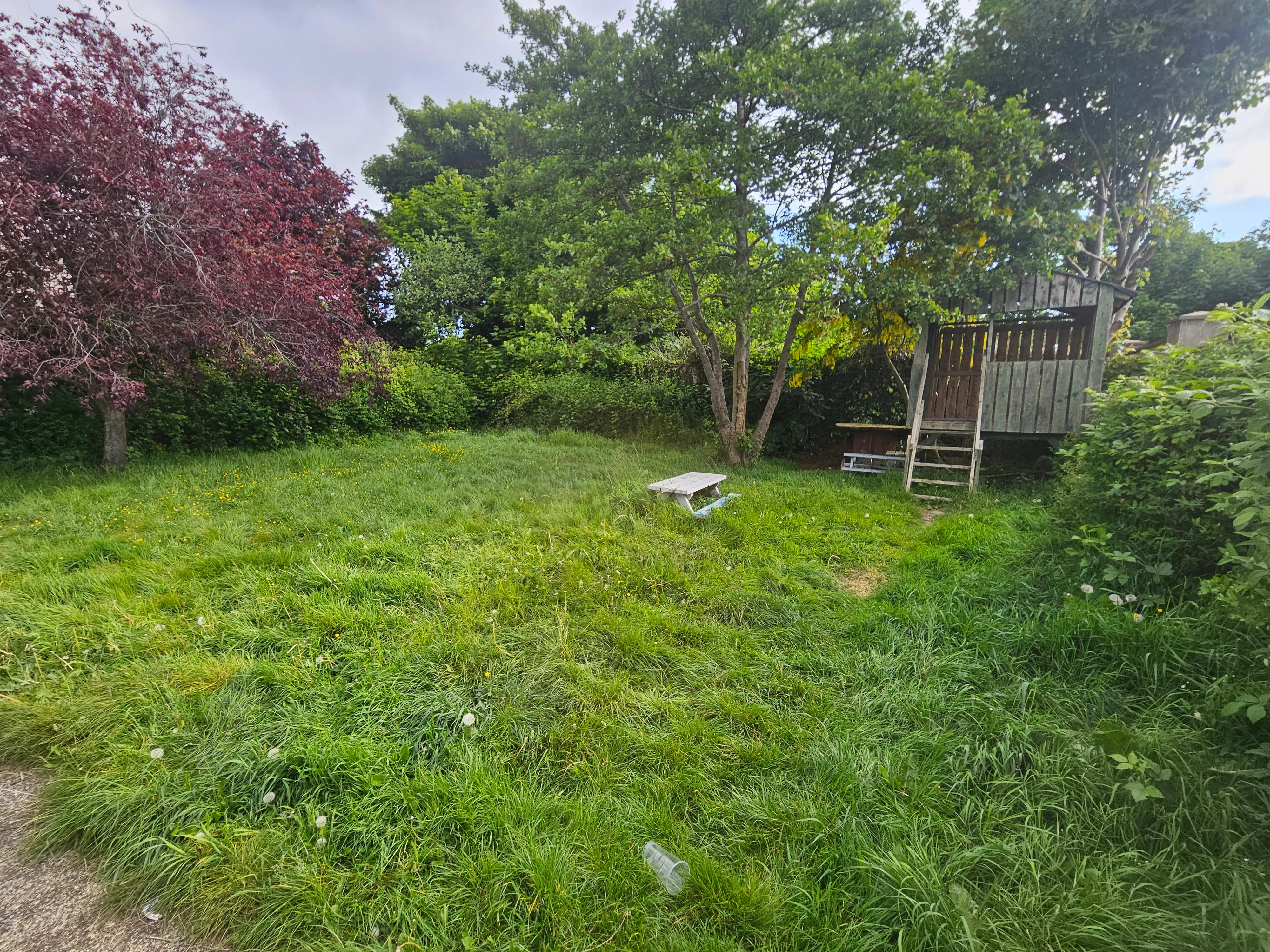
Maintaining commercial grounds to a high standard requires planning. Unlike a domestic garden where you can react to what you see, commercial grounds need a structured approach that ensures the right work happens at the right time of year. Without a plan, things get missed, problems build up, and the catch-up costs more than the prevention would have.
Here is a practical, season-by-season grounds maintenance plan designed for Irish businesses. Whether you manage an office campus, a retail park, a hotel, or a public building, this guide will help you keep your grounds looking professional all year round.
Spring: March to May
Spring is when everything wakes up. Growth accelerates, and the grounds start demanding attention after the winter dormancy.
March
- First grass cut of the year — set the mower on a high setting for the initial cut. The ground may still be soft, so avoid heavy machinery on waterlogged areas
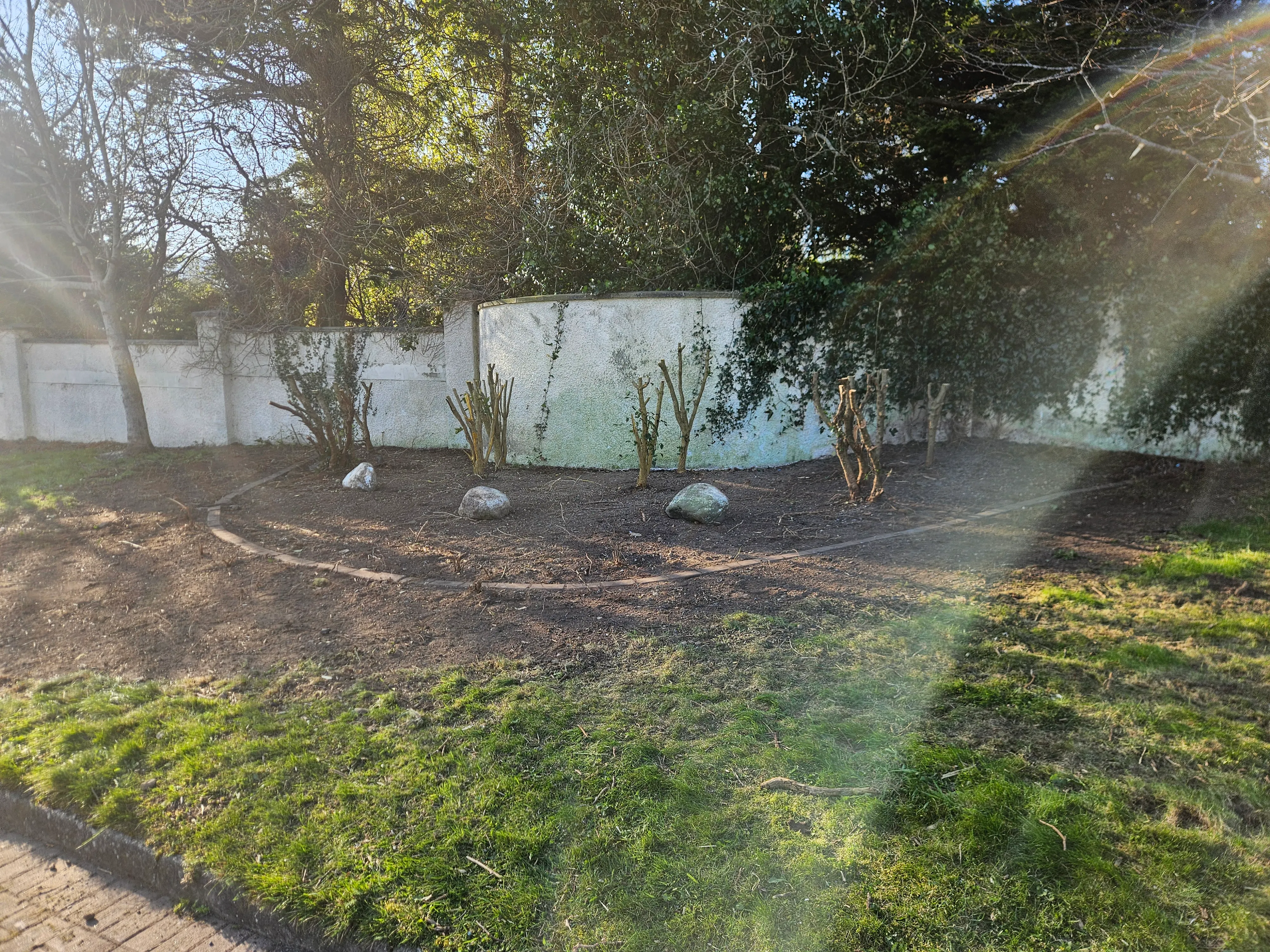
- Inspect all planted areas — clear any winter debris, dead leaves, and windblown litter from beds, borders, and under hedges
- Check drainage — identify any areas where water is pooling or drains are blocked, and address these before the growing season gets going
- Path and hard surface inspection — repair any frost damage to paving, kerbs, or tarmac. Pressure wash paths and car park surfaces to remove winter algae and moss
- Prepare planting beds — mulch borders to suppress weeds and retain moisture through the growing season
April
- Increase mowing frequency — switch to a fortnightly or weekly schedule as growth picks up
- Fertilise lawns — apply a spring fertiliser to promote strong, healthy growth
- Begin weed control — treat weeds in paving, gravel areas, and lawn edges before they establish
- Spring planting — if seasonal bedding is part of your landscaping, plant out spring displays
- Aerate compacted areas — spike or hollow-tine aeration on lawns that have become compacted over winter
May
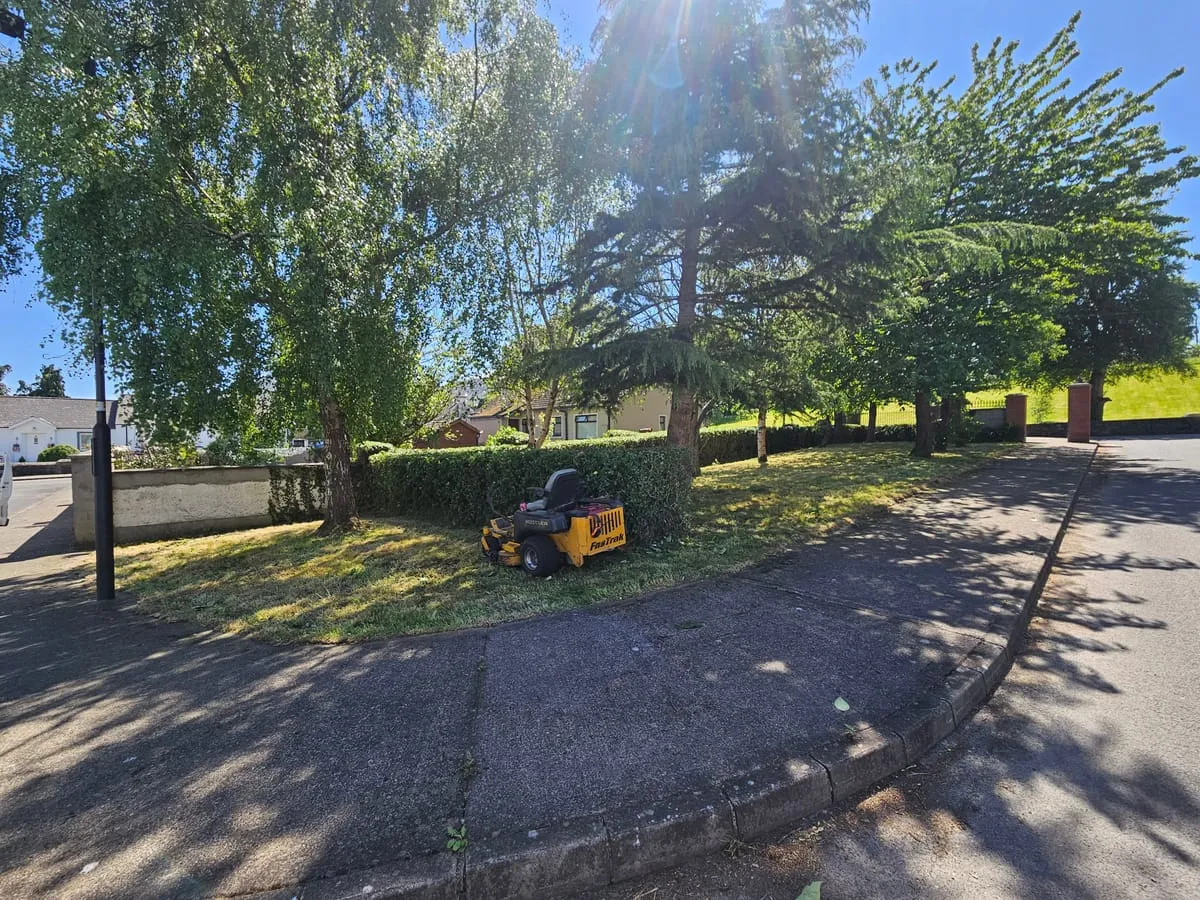
- Weekly mowing — by May, most lawns need cutting every seven to ten days
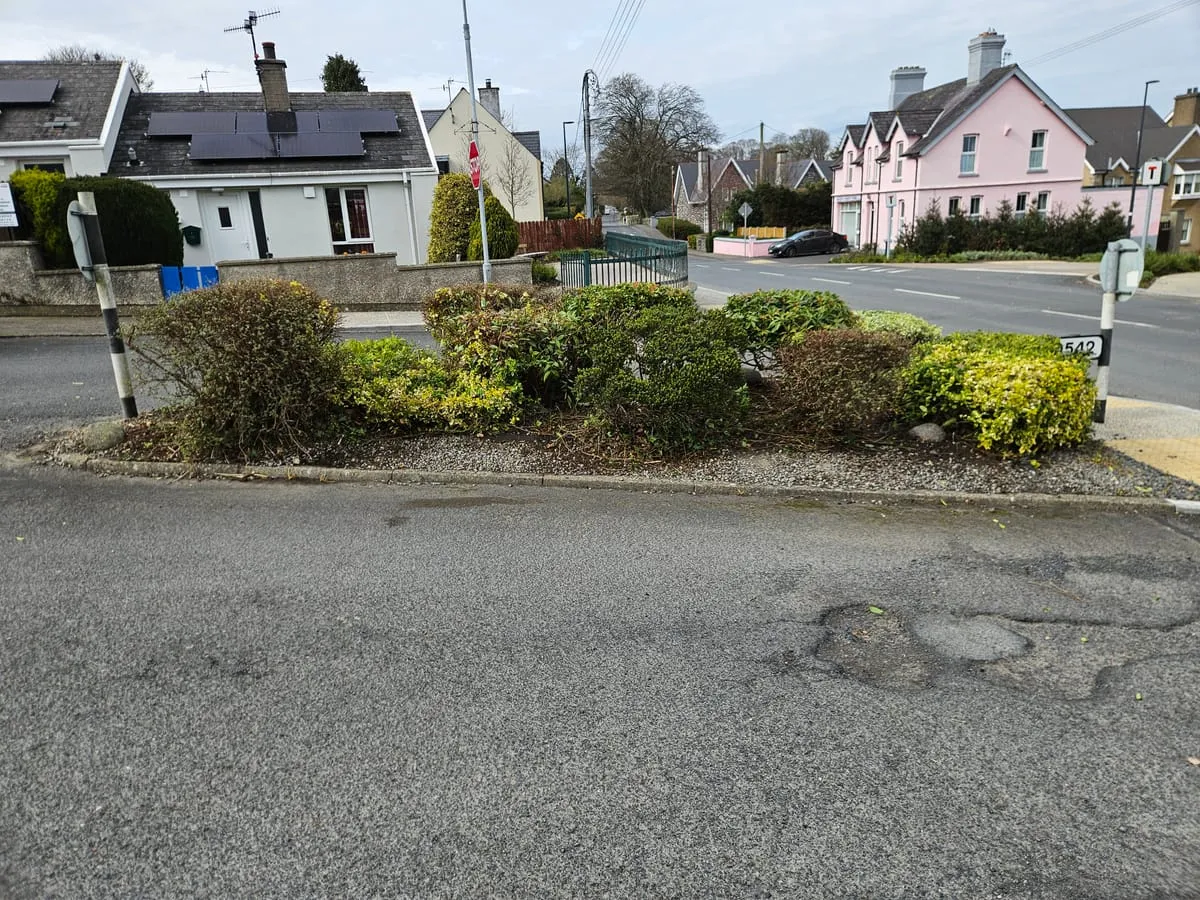
- First hedge trim — formal hedges can have their first cut of the year, subject to checking for nesting birds
- Edge all lawns — crisp edges along paths, borders, and beds make a huge visual difference
- Monitor tree health — check for signs of disease, dead branches, or structural issues as trees come into leaf
- Irrigation checks — if you have an irrigation system, test it before the summer months
Summer: June to August
Summer is the peak season for both growth and visibility. Your grounds are on full display, and they need to look their best.
June
- Maintain weekly mowing — this is the most important task during summer
- Second hedge trim — trim formal hedges to maintain shape, checking first for any late nesting activity
- Deadhead flowering plants — remove spent blooms from bedding and border plants to encourage continued flowering
- Weed management — stay on top of weeds in all areas. A weed that is dealt with in June will not become a problem in August
- Summer planting — plant out summer bedding displays if applicable
July
- Continue mowing schedule — raise the cutting height slightly during dry periods to reduce stress on the grass
- Water new plantings — any plants put in during the current season will need watering during dry spells
- Monitor for pests and disease — watch for chafer grubs, leatherjackets, and fungal diseases in lawns
- Litter and debris management — busier sites generate more litter during summer. Increase the frequency of litter picks
August
- Prepare for autumn — begin planning autumn maintenance tasks such as scarification, overseeding, and planting
- Late summer hedge trim — a final trim in August gives hedges a clean shape heading into autumn. Beech hedges trimmed now will hold their leaves through winter
- Assess tree work needs — identify any tree work that should be carried out in autumn or winter and arrange scheduling
Autumn: September to November
Autumn is a critical period for grounds maintenance. The work done now sets up the grounds for winter and the following spring.
September
- Scarify lawns — remove thatch build-up to allow water and nutrients to reach the roots
- Aerate — another round of aeration, particularly in high-traffic areas
- Overseed — fill in bare patches and thin areas before the soil cools down
- Autumn fertiliser — apply a potassium-rich feed to strengthen the grass for winter
- Plant spring bulbs — daffodils, crocuses, and other spring bulbs should be planted in September and October
October
- Reduce mowing frequency — growth slows down, so fortnightly mowing is usually sufficient
- Leaf clearance — begin regular leaf clearing from lawns, paths, and planted areas. Leaves left on grass will smother it and encourage disease
- Final hedge trim — any hedges that were not trimmed in August should be done now before winter
- Plant trees and shrubs — autumn is the best time for planting most trees and shrubs, as the soil is warm and moist
November
- Final grass cut — depending on conditions, the last mow of the year typically happens in November
- Complete leaf clearance — continue clearing leaves as they fall. This may need doing weekly or fortnightly through November
- Protect vulnerable plants — wrap or mulch any plants that are borderline hardy in your area
- Winter hard surface maintenance — clear gutters, drains, and gullies to prevent winter flooding
Winter: December to February
Winter is the quieter season, but it is not a time to ignore the grounds entirely.
December to February
- Monitor for storm damage — after high winds, check trees and structures for damage
- Keep paths safe — clear ice, snow, and fallen leaves from walkways. Moss and algae can be dangerously slippery
- Winter tree work — deciduous trees are best pruned during dormancy. Schedule any major tree work for this period
- Plan for the year ahead — review the past year’s maintenance, assess what worked well and what needs improving, and set the schedule for the coming season
- Equipment maintenance — if you own any grounds maintenance equipment, winter is the time to service and repair it
Why a Planned Approach Works
The difference between reactive and planned grounds maintenance is striking. A business that follows a seasonal plan has grounds that look consistently well-maintained. A business that reacts to problems as they arise is always playing catch-up, spending more money for a worse result.
A maintenance plan also makes budgeting easier. You know what work is needed each month, what it costs, and when to expect the invoices. There are no surprises.
Let Us Build a Plan for Your Business
Seamus and Pete at Gardening Services Dundalk can put together a tailored seasonal maintenance plan for your commercial property anywhere in County Louth. We will assess your grounds, identify what needs doing and when, and provide a clear schedule with transparent pricing.
Call us on 085 168 5170 for a free site visit and quote. Whether you need a full year-round maintenance programme or help with specific seasonal tasks, we have got the experience and the equipment to keep your business grounds looking their best in every season.