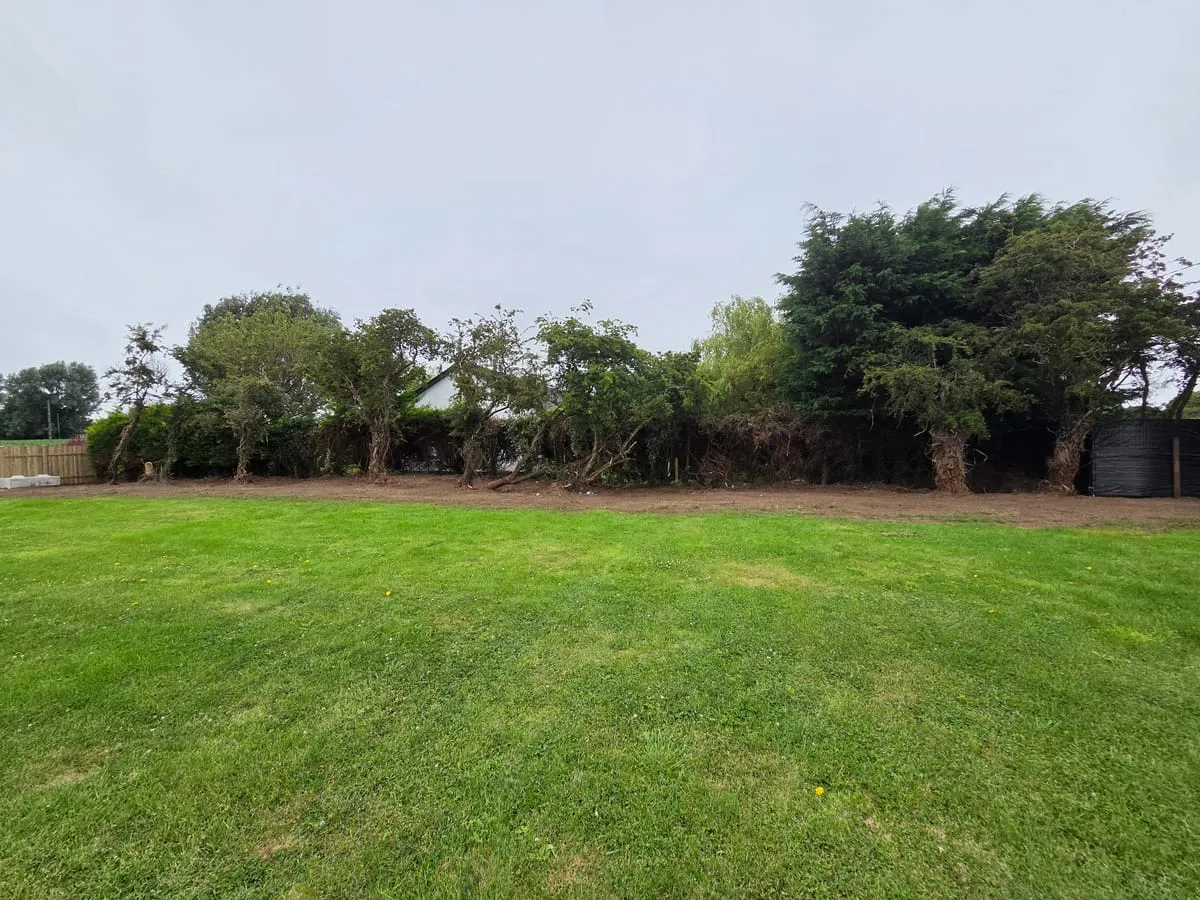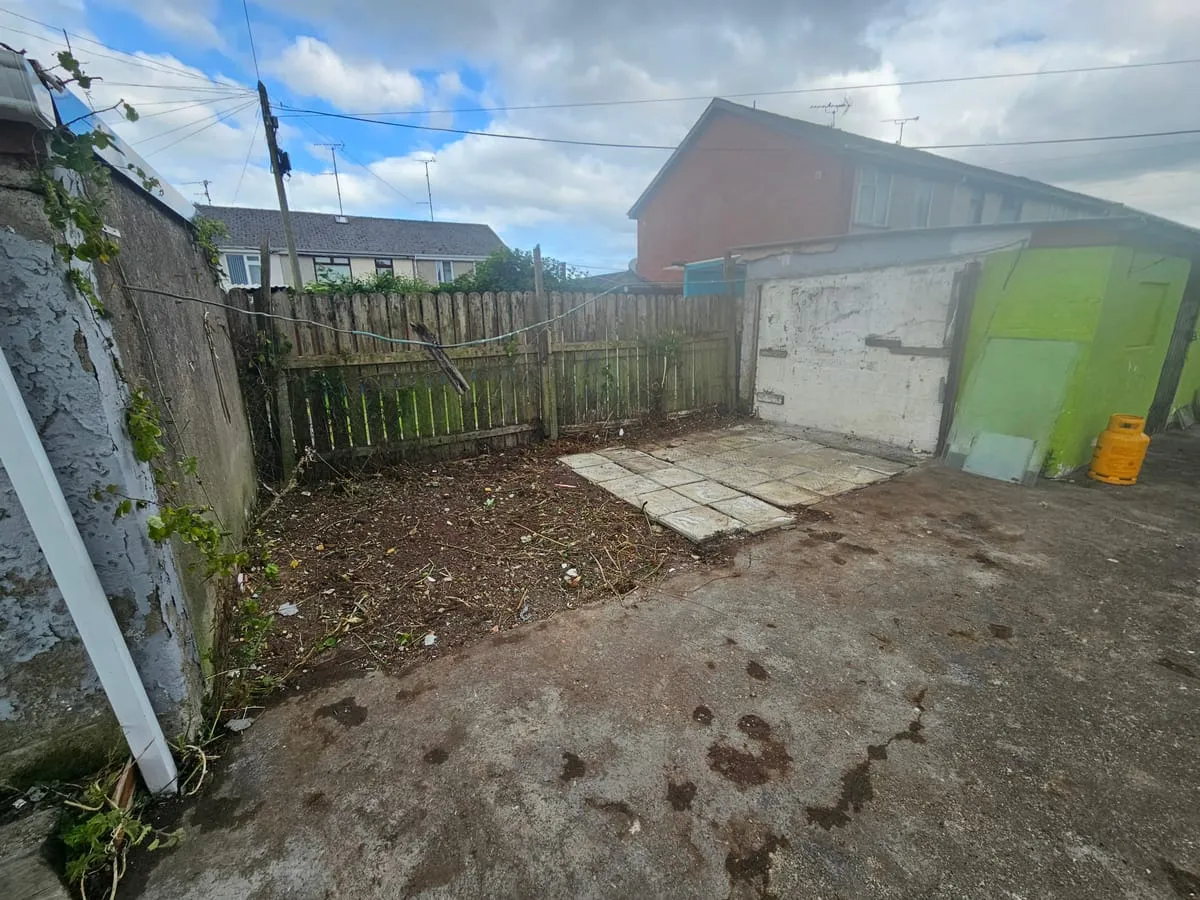
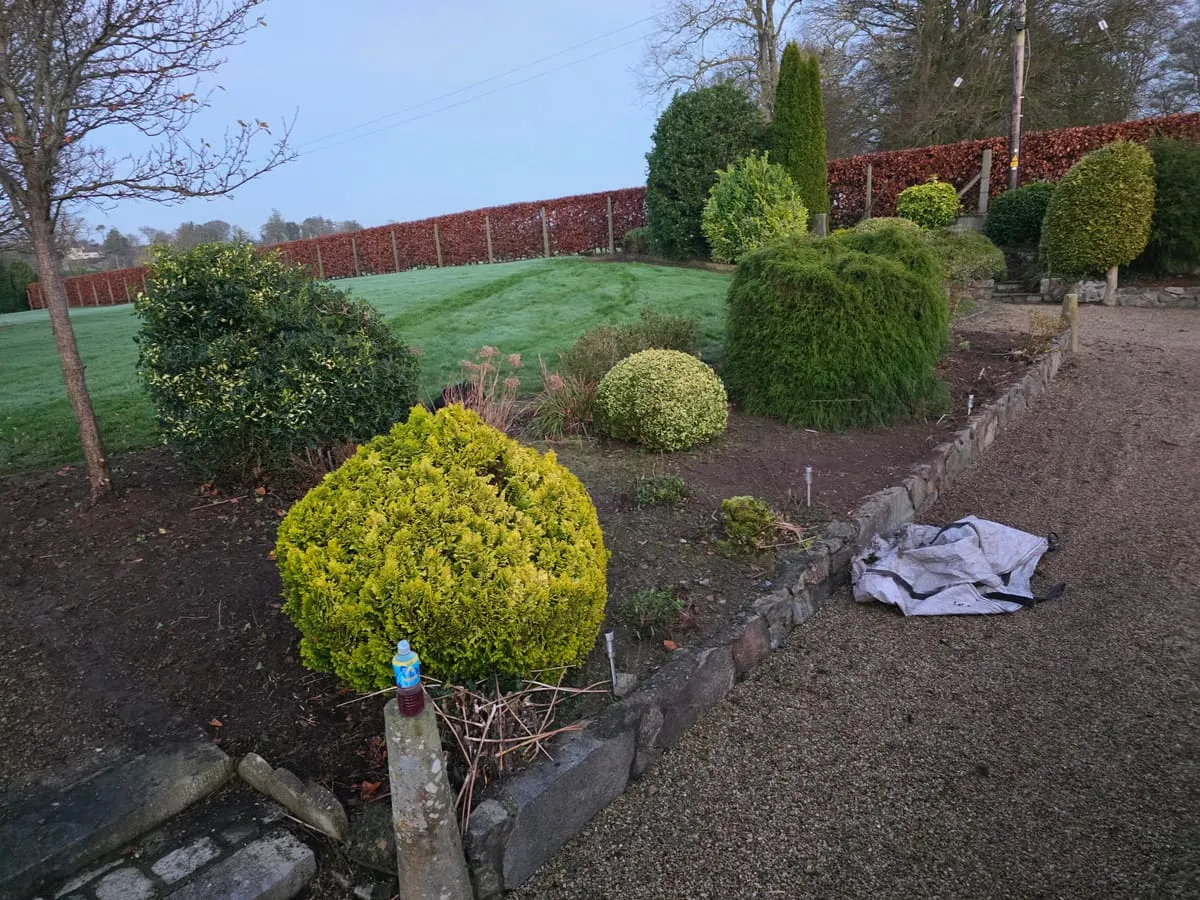
If you have ever done a big garden tidy-up and found yourself standing in front of a mountain of cuttings, branches, and weeds with no idea where to put them, you are not alone. Garden waste disposal is one of those things that seems simple until you actually have to deal with it. And in Ireland, there are rules about what you can and cannot do with it.
Whether you are dealing with a few bags of hedge trimmings or the aftermath of a full garden clearance, this guide covers all the legal and practical options for getting rid of garden waste in County Louth and across Ireland.
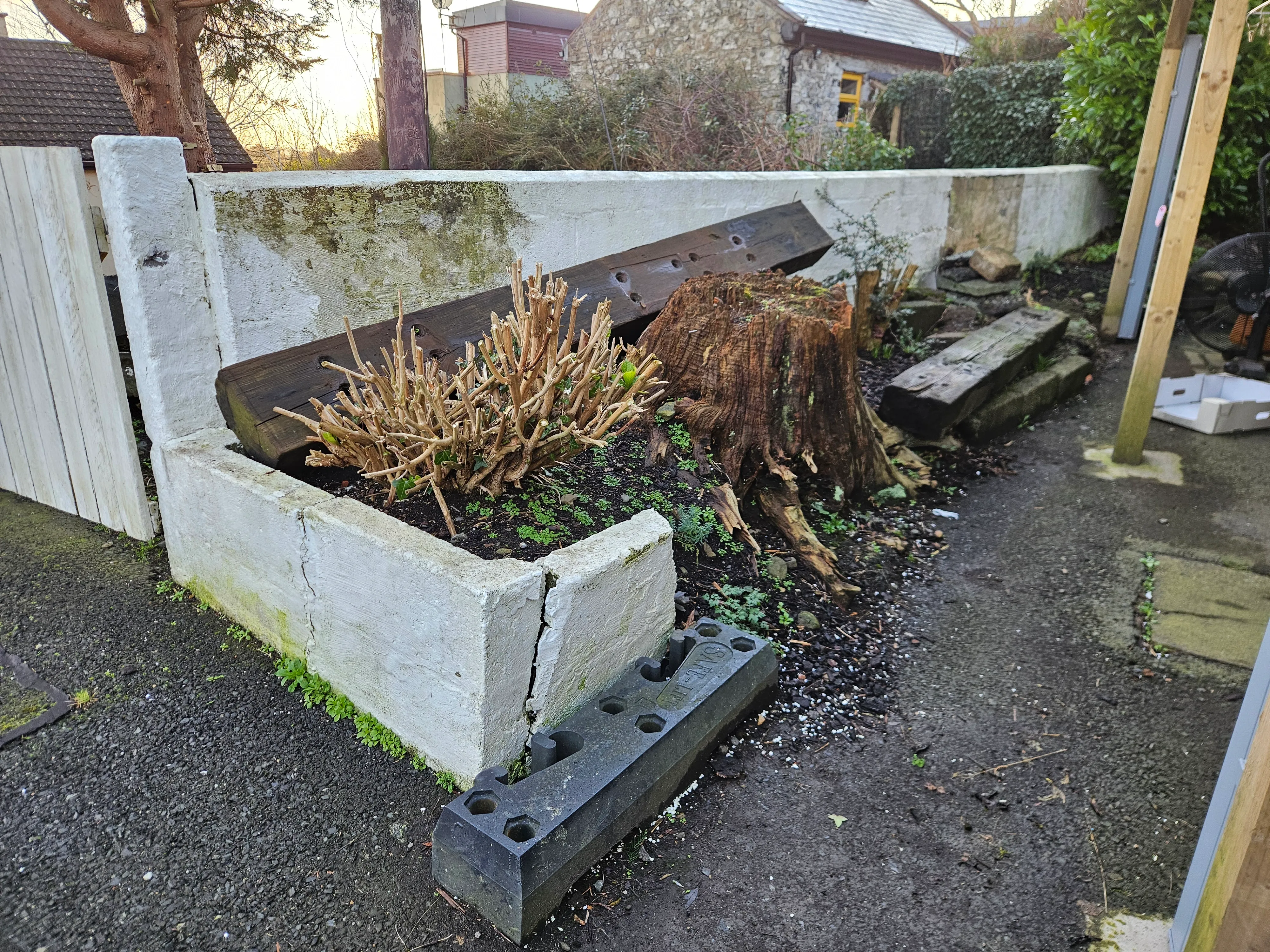
What Counts as Garden Waste?
Before we get into disposal options, it helps to know what actually counts as garden waste. In Ireland, garden waste (also called green waste) typically includes:
- Grass clippings
- Hedge and shrub trimmings
- Leaves
- Weeds and plant material
- Small branches and twigs
- Flowers and dead plants
- Bark and small wood chippings
What does not count as garden waste includes soil, rubble, stones, concrete, old fencing, treated timber, plastic pots, and any general household rubbish. These need to be disposed of separately, and mixing them with green waste can cause problems at recycling facilities.
Your Options for Garden Waste Disposal
1. The Brown Bin
If your area has a brown bin collection, this is the most convenient option for small amounts of regular garden waste. In Dundalk and most of County Louth, the brown bin is collected fortnightly and accepts:
- Grass clippings
- Leaves and small cuttings
- Weeds (but not soil attached to roots)
- Small hedge trimmings that fit in the bin
- Flowers and dead plants
The brown bin is grand for week-to-week garden maintenance, but it is nowhere near big enough for a proper clearance job. One decent hedge trimming session can fill it up, never mind tackling an overgrown garden.
2. Civic Amenity Sites
County Louth has civic amenity sites where you can bring garden waste for recycling. The main sites serving the Dundalk area include:
- Whiteriver Civic Amenity Site, Collon — accepts green waste, timber, and other recyclables
- Dundalk Recycling Centre — for smaller quantities of household and garden waste
Most civic amenity sites accept green waste free of charge or for a small fee. You will need to separate your waste — green waste in one area, timber in another, general waste elsewhere.
The downside? If you have a lot of waste, it means multiple trips. A medium-sized garden clearance can easily produce 10 to 15 car trailer loads, which adds up in time and fuel costs.
3. Composting at Home
Composting is the most environmentally friendly option and it gives you free soil improver in return. It works well for:
- Grass clippings (in thin layers)
- Leaves
- Non-seeding weeds
- Soft plant material
- Vegetable peelings from the kitchen
However, there are things you should not put in your compost heap:
- Bramble roots or runners (they will regrow)
- Weeds that have gone to seed
- Diseased plant material
- Thick woody branches (unless chipped first)
- Japanese knotweed or other invasive species
A good-sized compost bin takes six to twelve months to produce usable compost, and it can only handle a fraction of the waste from a major clearance. It is best suited as a long-term companion to your regular gardening, not a solution for a big one-off job.

4. Skip Hire
Hiring a skip is a popular option for larger clearance jobs, but there are a few things to know:
- Green waste skips are available from most skip hire companies in Louth, typically in 4, 6, or 8 cubic yard sizes
- A standard 6-yard skip costs around €250 to €350 in the Dundalk area
- You may need a permit from Louth County Council if the skip is going on a public road (around €40 to €50)
- Skips have limits on what you can put in them — soil, rubble, and hazardous materials are usually excluded or charged extra
- You still need to do all the physical work of cutting, clearing, and loading the skip yourself
Skips work well if you have good access and are doing the clearance yourself over a weekend. But for heavily overgrown gardens, you might end up needing two or three skips, which pushes the cost up significantly.
5. Professional Garden Transformation
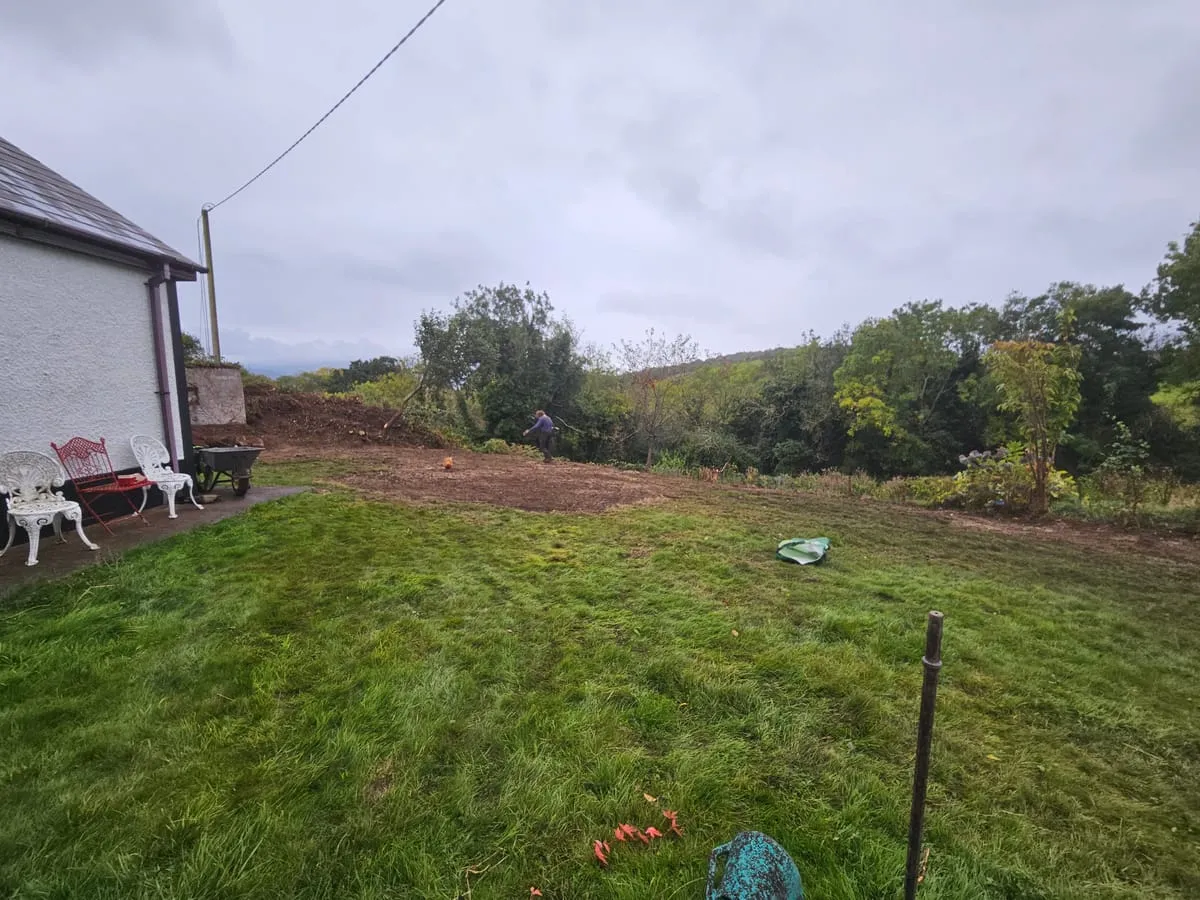
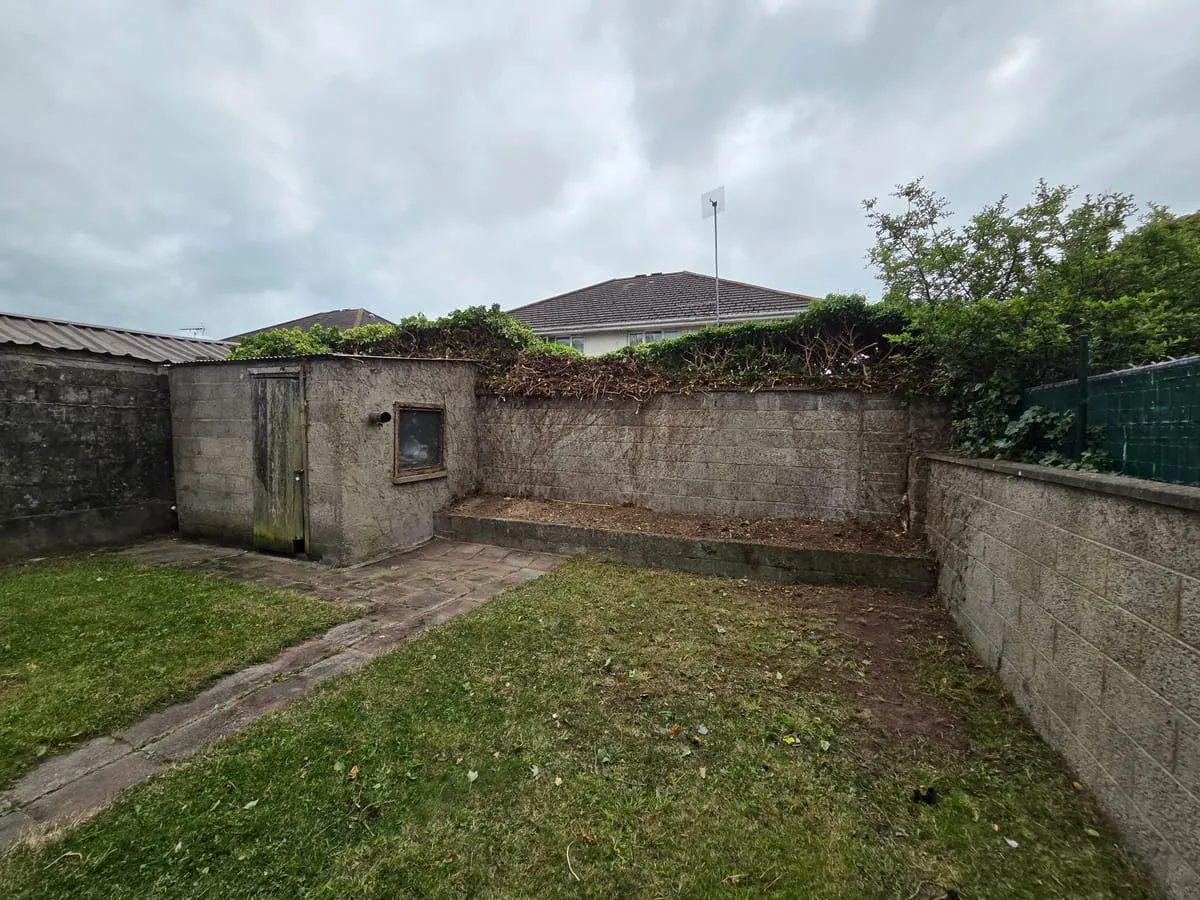
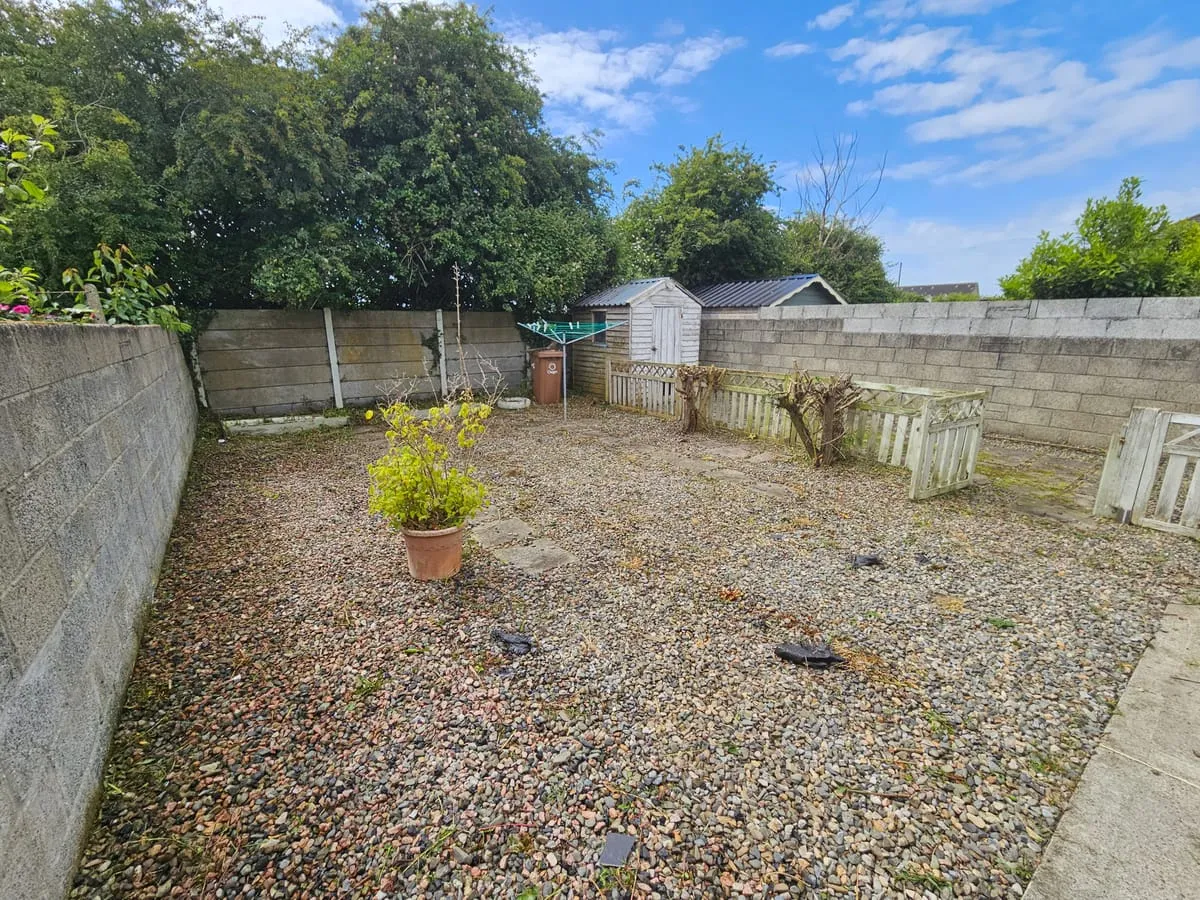
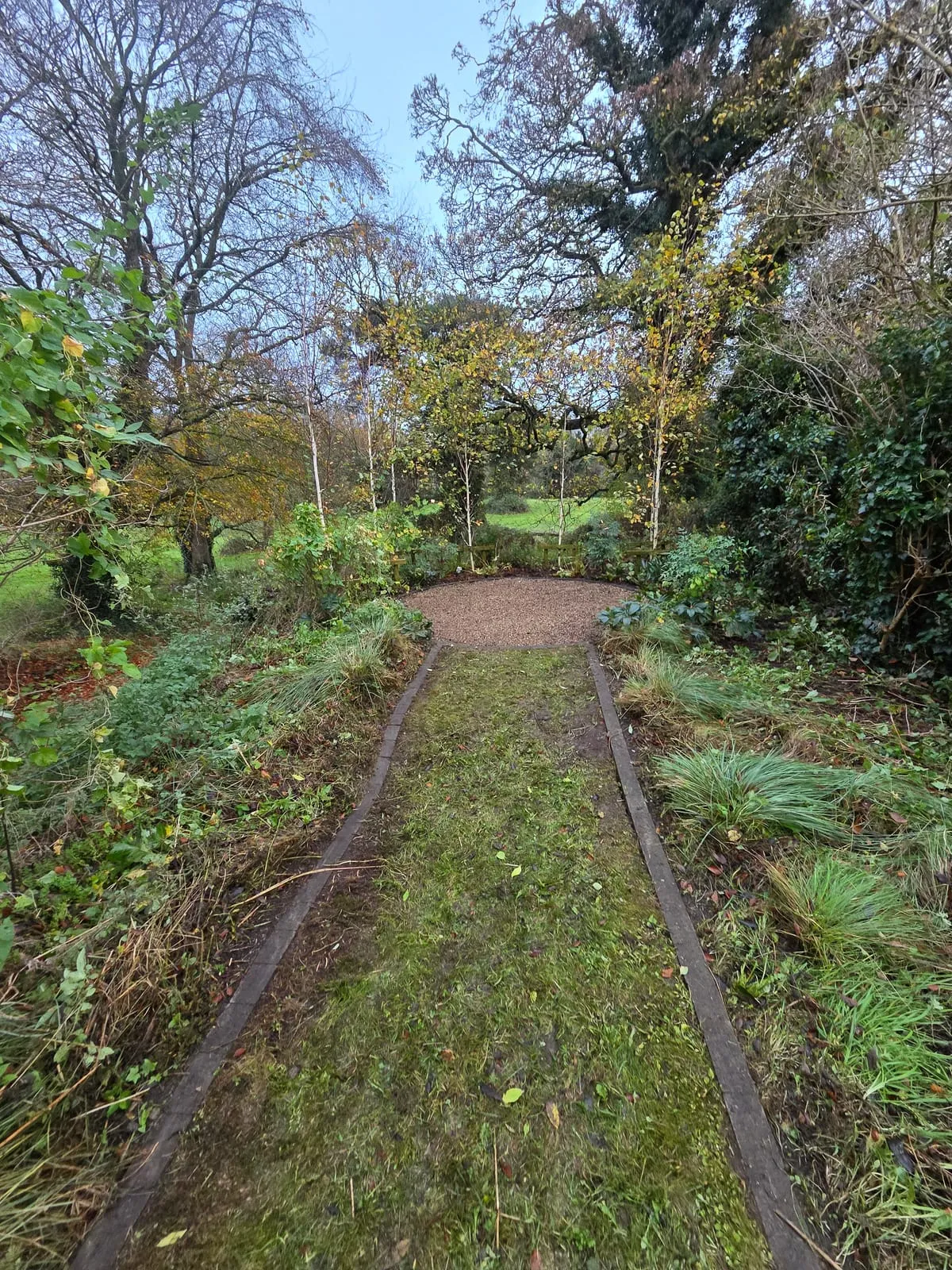
A professional garden clearance service handles the hard physical work of cutting back and clearing an overgrown garden. The team arrives with chainsaws, strimmers, and heavy-duty clearing tools, and works through the garden systematically — cutting back brambles, felling small trees, clearing scrub, and leaving the site clean and tidy.
For waste disposal after the clearance, you may need to arrange collection separately through a licensed waste collector or skip hire, depending on the volume of material. Some garden clearance teams can advise on the best local options for getting waste taken away.
For any garden clearance beyond a small tidy-up, hiring professionals to do the physical clearing work saves enormous time and effort compared to tackling it yourself.
The Legal Side — What You Need to Know
Can you burn garden waste in Ireland?
Under the Air Pollution Act 1987 and the Waste Management Act 1996, burning waste (including garden waste) is restricted in Ireland. In urban areas, burning is effectively prohibited. In rural areas, you can burn dry, untreated plant material on your own land, but there are seasonal restrictions — particularly during bird nesting season (March to August) when burning hedgerow material is not permitted.
In practice, burning is not a great solution anyway. It produces smoke that affects neighbours, it wastes valuable organic material, and it can get out of control in dry conditions.
Can you dump garden waste in a field or woodland?
Absolutely not. Illegal dumping of any waste, including garden waste, is an offence under the Waste Management Acts. Fines can be substantial — up to €5,000 for a summary conviction. Louth County Council actively monitors for illegal dumping and has a confidential reporting line.
Even dumping green waste in a ditch might seem harmless, but it can smother native plants, spread invasive species, and block drainage. Always use a legal disposal route.
What About Invasive Species?
Certain plants found in Irish gardens require special handling and cannot be disposed of through normal channels. The most notable include:
- Japanese knotweed — must be treated on site by a specialist. It is actually illegal to cause it to spread, so you cannot put it in your brown bin or take it to a civic amenity site.
- Giant hogweed — toxic sap that causes severe burns. Requires professional removal with full protective equipment.
- Himalayan balsam — spreads rapidly along waterways. Should be removed before it seeds and disposed of carefully.
If you find any of these in your garden during clearance, stop and get professional advice. The cost of specialist treatment is far less than the cost of letting these species spread.
Frequently Asked Questions
How much does it cost to have garden waste collected in Ireland?
For small amounts, your brown bin collection is included in your waste charges. Professional garden waste collection typically starts from around €100 to €150 for a single load, depending on volume and distance. Contact a licensed waste collector in your area for exact pricing.
Can I take garden waste to the recycling centre myself?
Yes, most civic amenity sites in County Louth accept green waste from householders. Check the opening hours and any restrictions before you go. Some sites have limits on the number of trailer loads per visit, and you may need proof of address.
What should I do with large branches and tree trunks?
Large timber from tree work needs to go to a facility that accepts wood waste, not a standard green waste area. Alternatively, if the wood is in good condition, consider keeping it for firewood — seasoned hardwood makes excellent fuel after 12 to 18 months of drying. A professional service can chip smaller branches on site, which reduces the volume dramatically.
Is garden waste collected in the green bin or the brown bin?
In County Louth, garden waste goes in the brown bin (the organics bin), not the green bin. The brown bin also accepts food waste. Your green bin is for dry recyclables like plastic, cardboard, and cans.
Need Your Garden Cleared?
If you have an overgrown garden that needs cutting back and clearing, Seamus and Pete can help. We have been clearing gardens across Dundalk, Drogheda, and County Louth for over 35 years. We cut back brambles, clear scrub, remove trees and hedging, and leave the site clean and tidy. If you need waste collected and taken away afterwards, we can advise on the best local options for disposal.
Give us a ring on 085 168 5170 for a free quote on garden clearance.