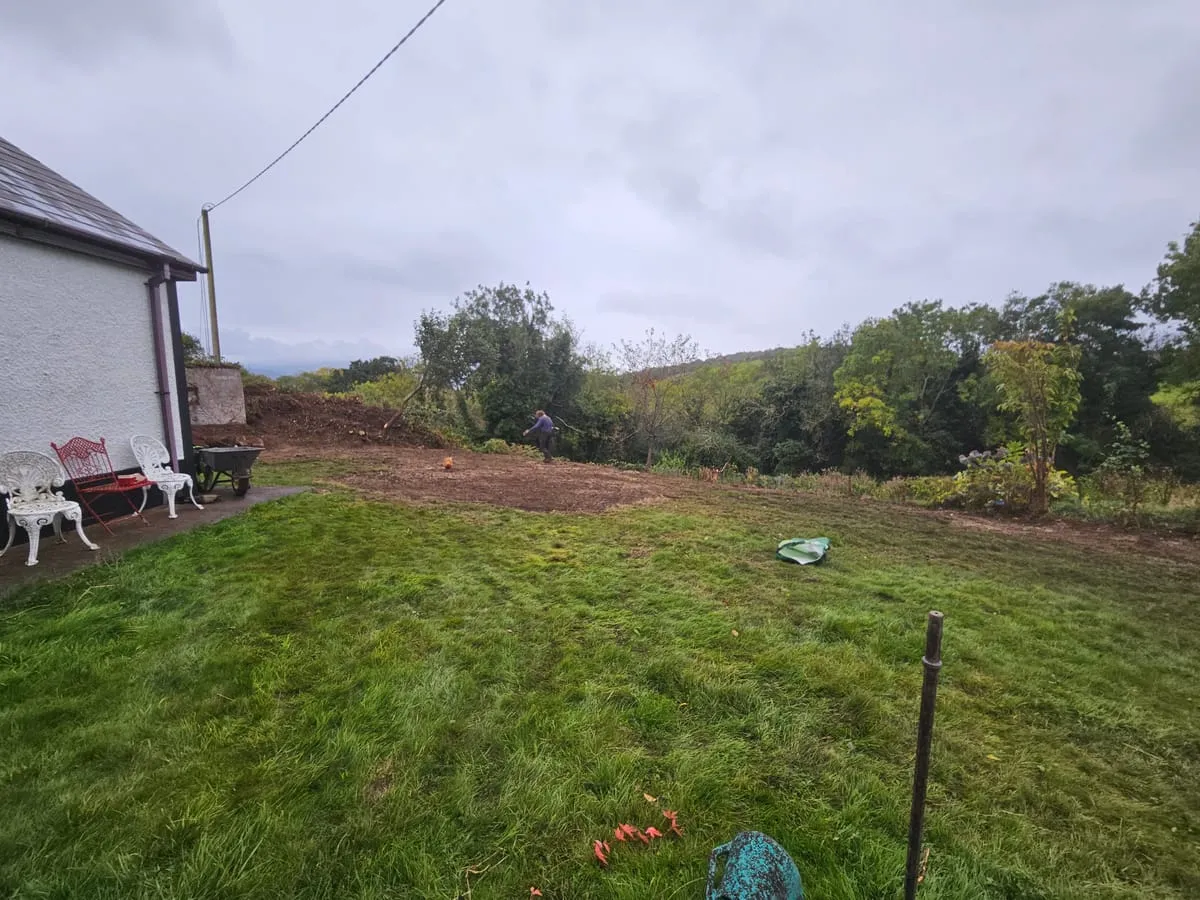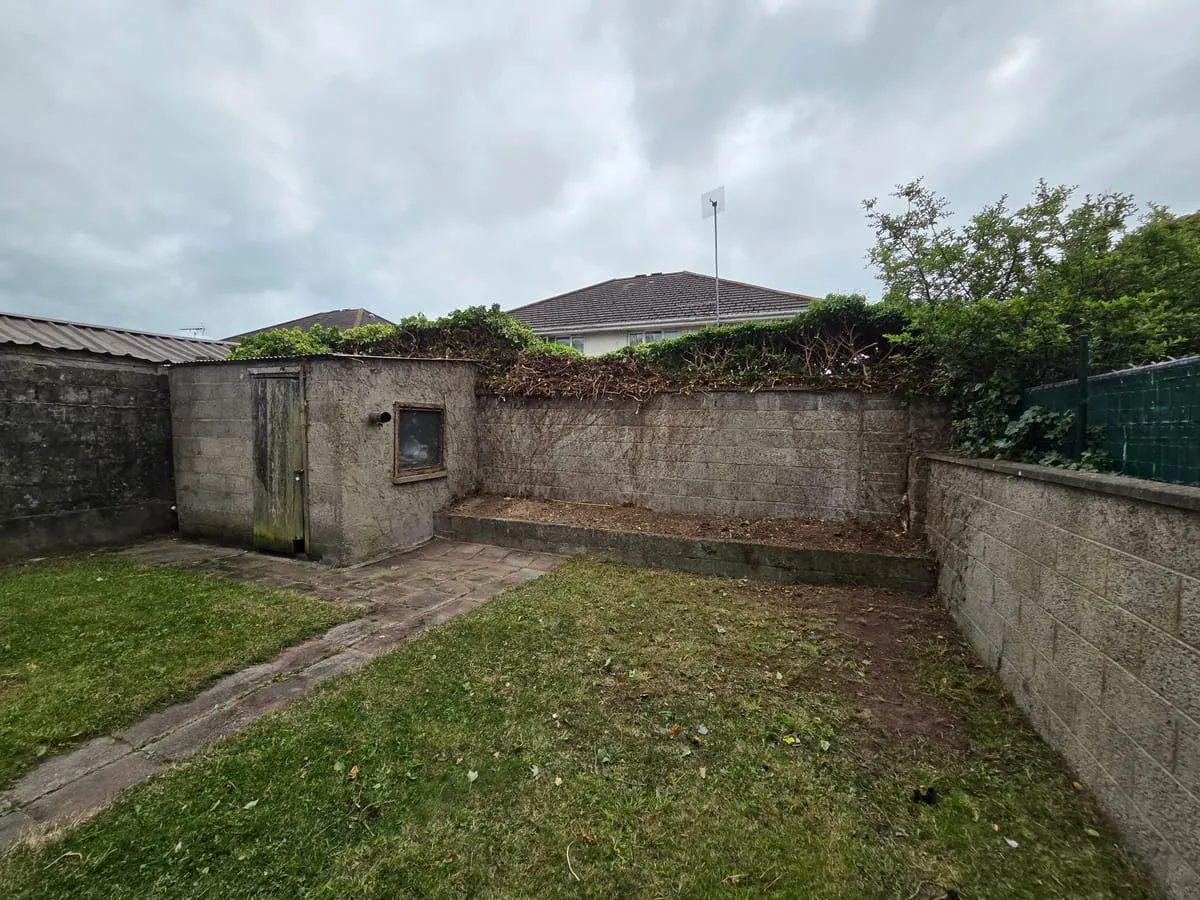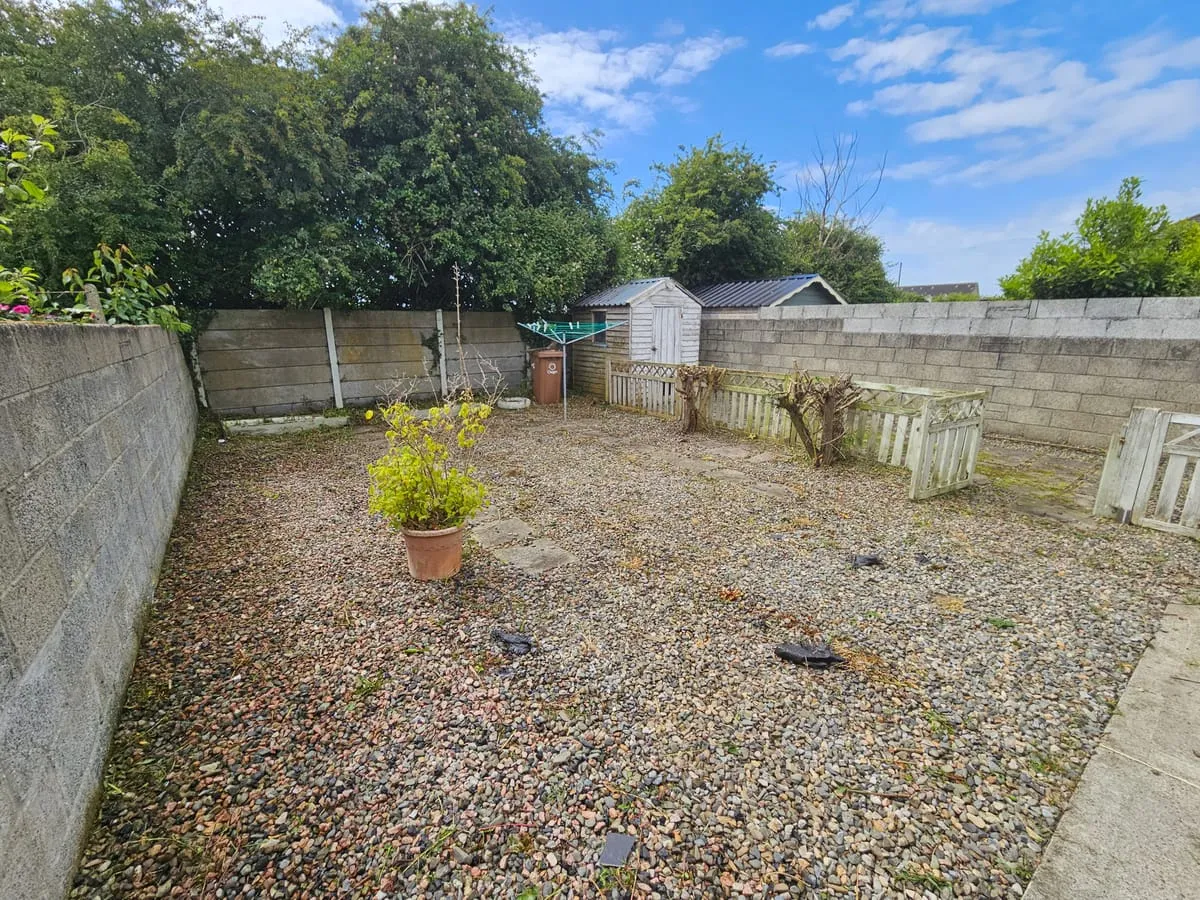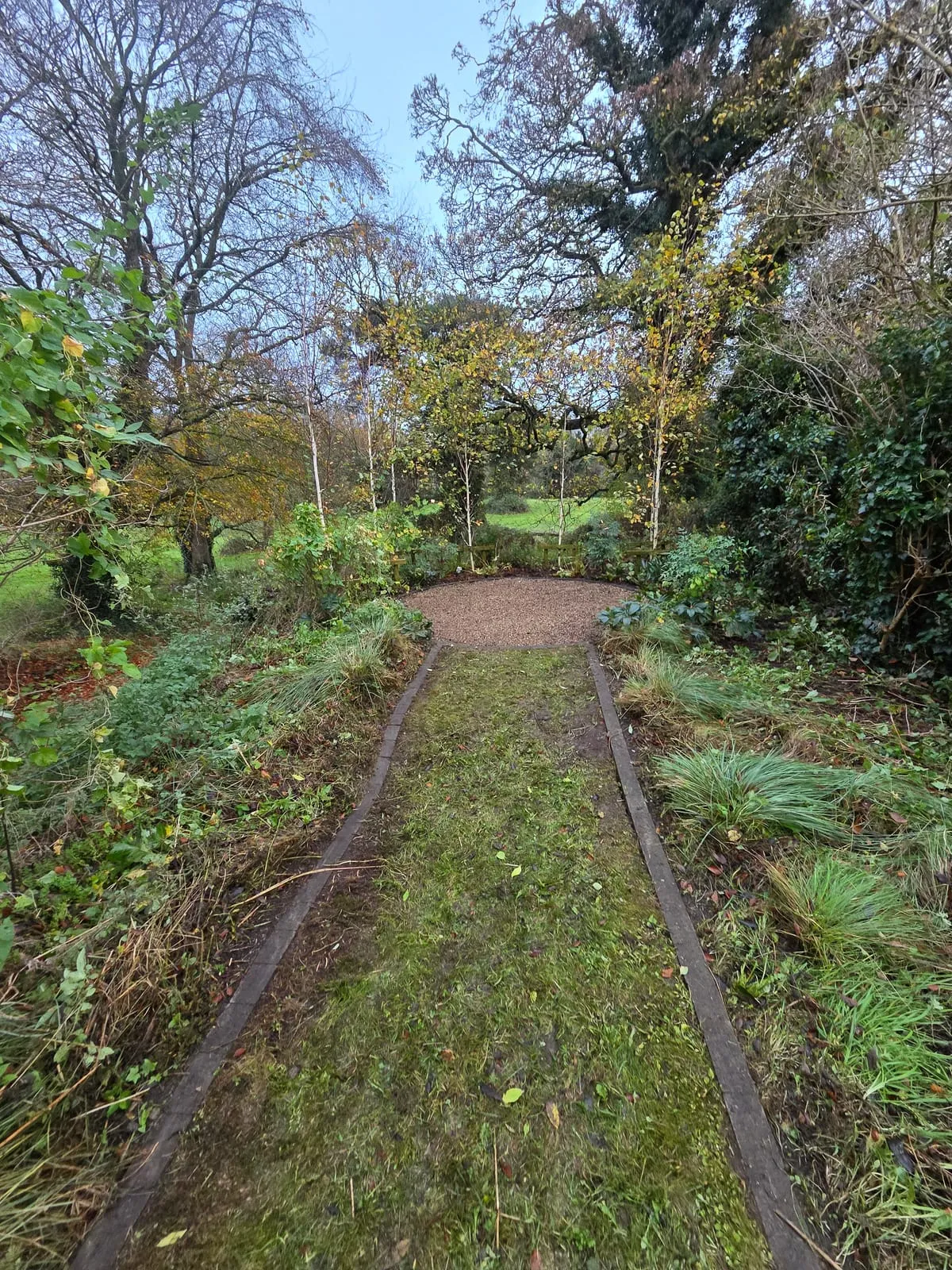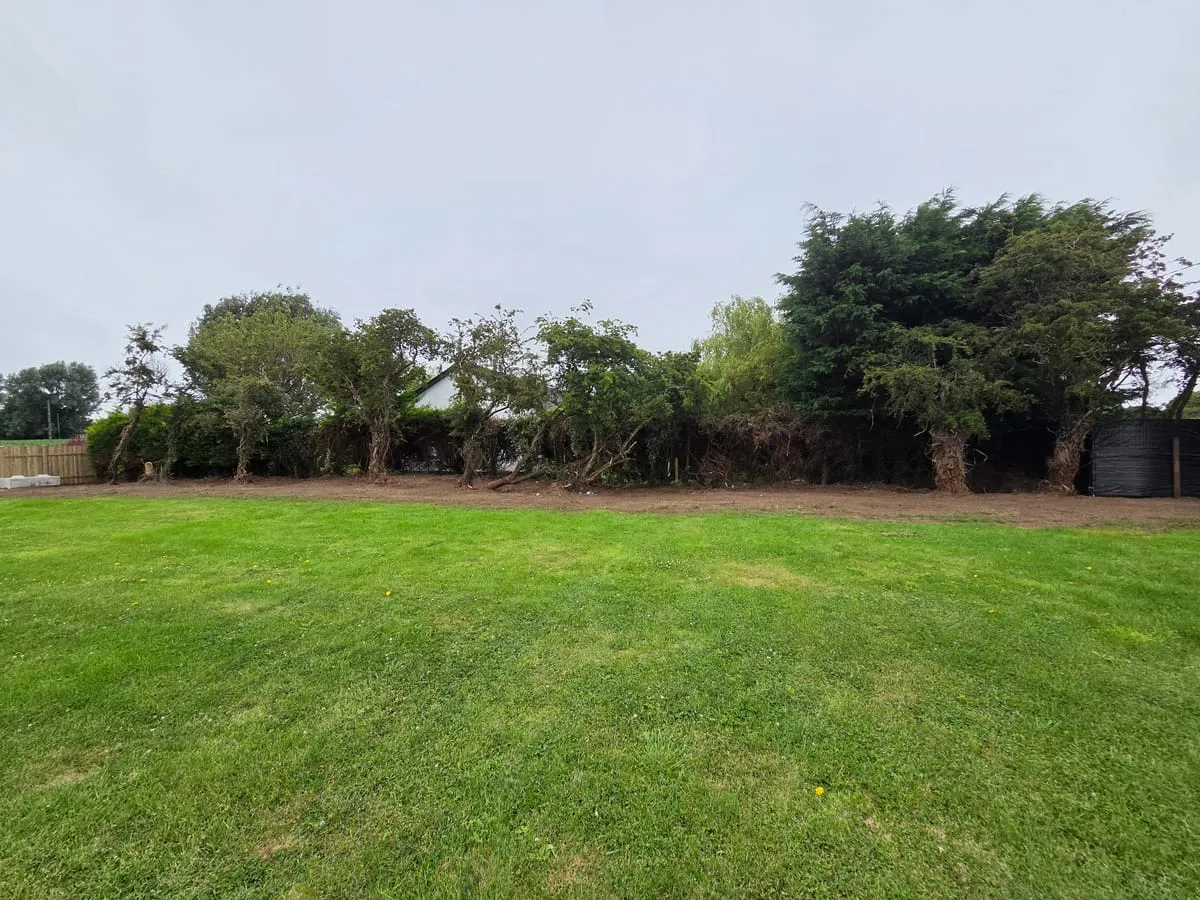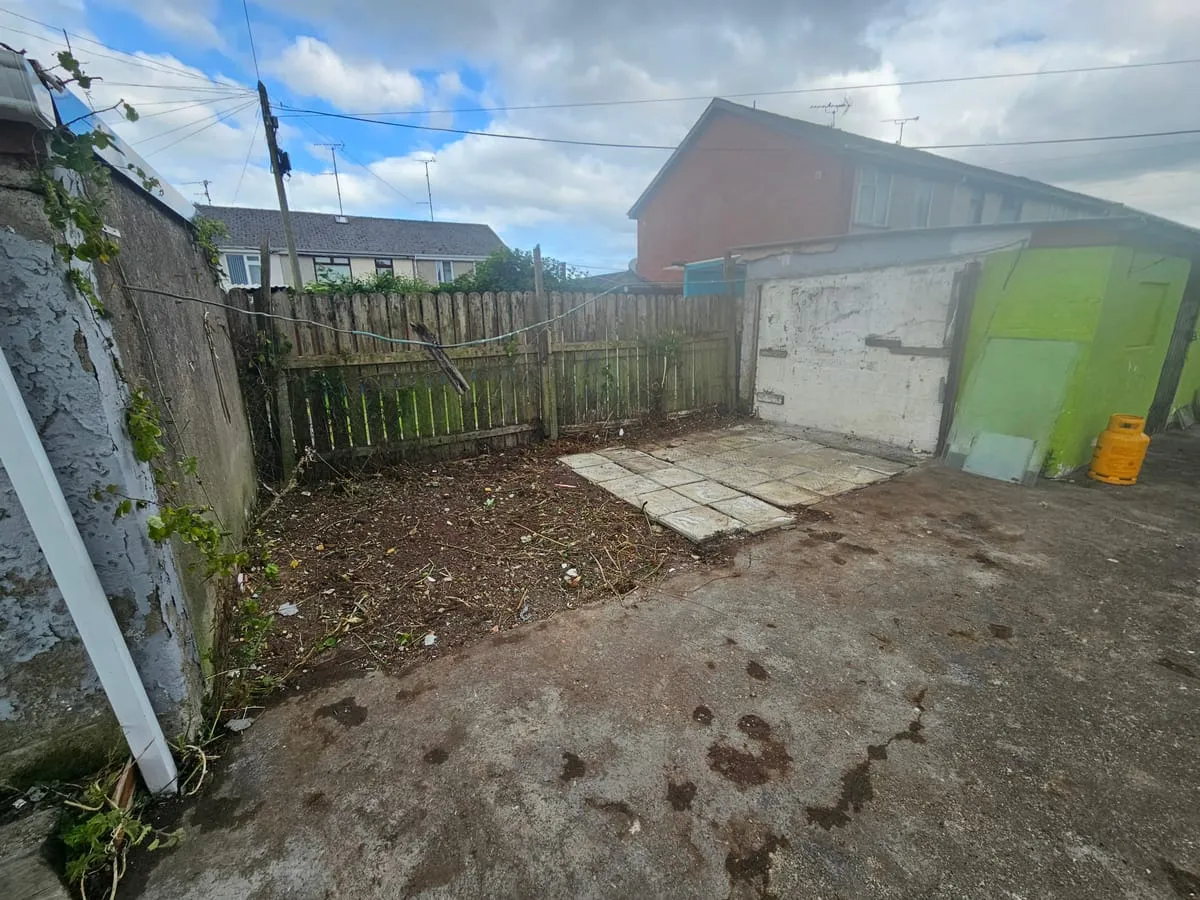
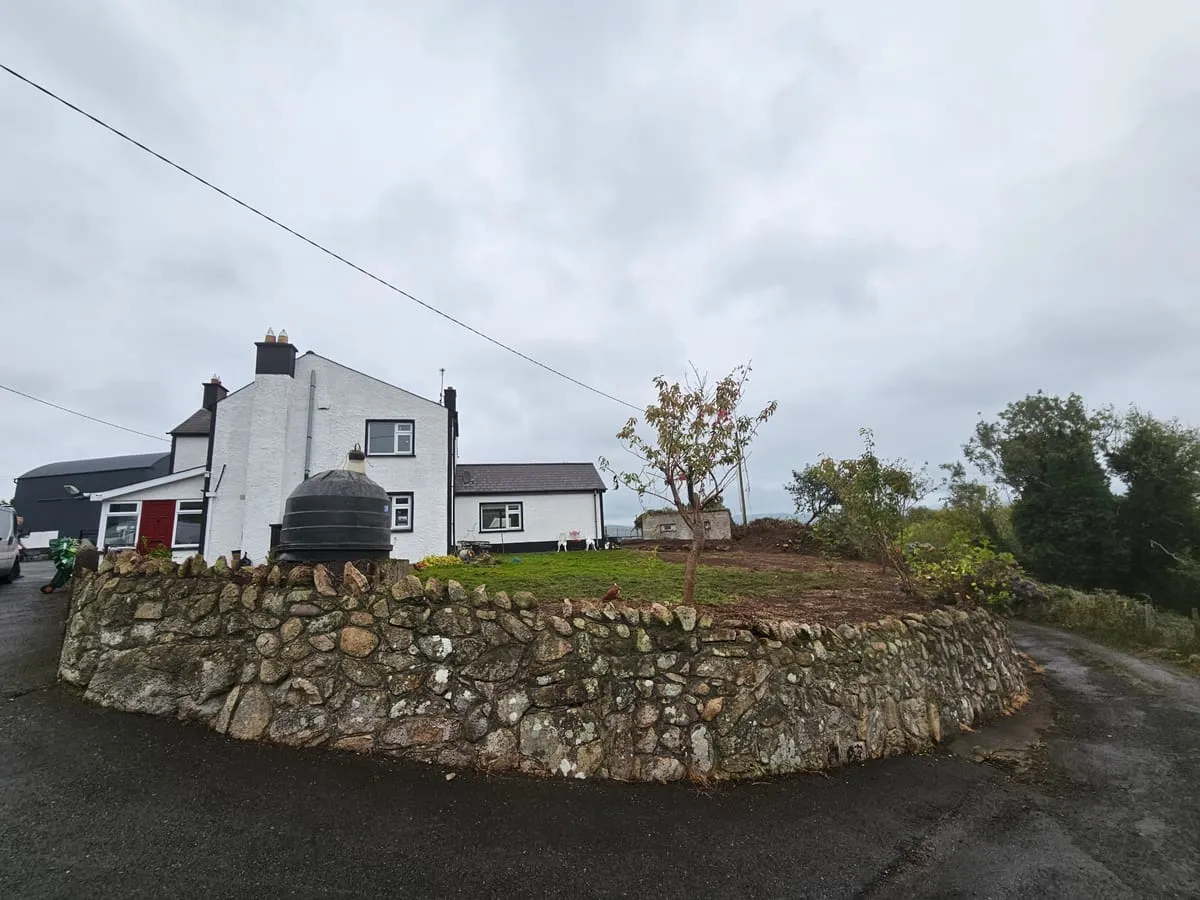
One of the most common questions we get asked — right after “how much will it cost?” — is “when is the best time to do this?” It is a smart question. The time of year you clear your garden can affect everything from the ease of the work to the cost, the impact on wildlife, and how quickly the garden recovers afterwards.
Having cleared gardens across Dundalk and County Louth in every month of the year for over 35 years, we have a good feel for the pros and cons of each season. Here is our honest assessment to help you plan your garden clearance at the right time.
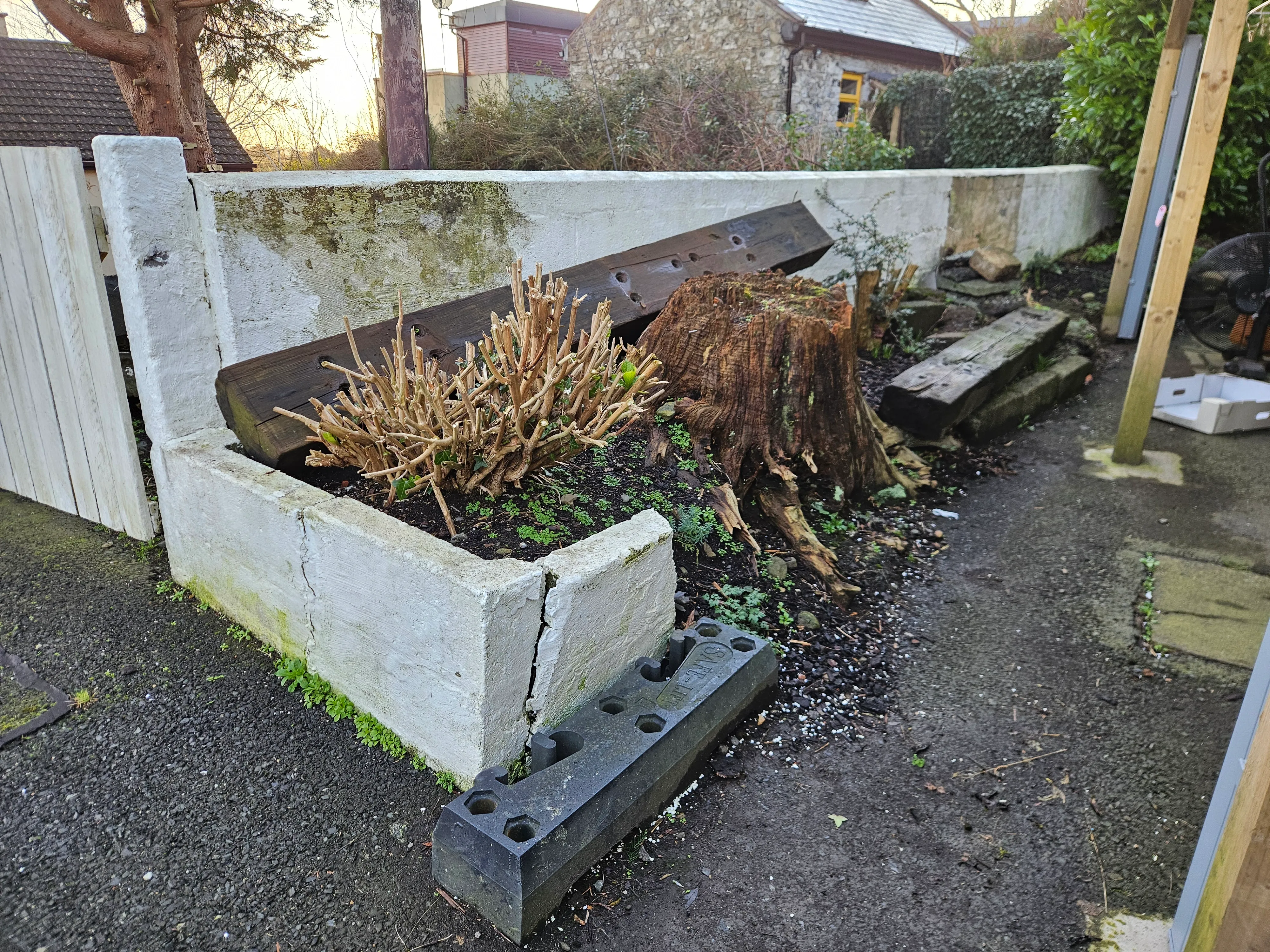
Winter (December — February)
Winter might not seem like an obvious choice for garden work, but it is actually one of the best times for clearance in Ireland.
Advantages of winter clearance
Dormant vegetation is easier to manage. Trees and shrubs have dropped their leaves, brambles have died back above ground, and the overall volume of green material is much less than during the growing season. This means less cutting, less waste, and a clearer view of the garden’s structure.
You can see what you are working with. Without the screening effect of summer foliage, the bones of the garden are visible — paths, walls, fences, and the overall layout. This makes it easier to plan what to keep and what to remove.
Less disturbance to wildlife. The bird nesting season runs from March to August. Winter clearance avoids any risk of disturbing nesting birds, which is a legal consideration in Ireland under the Wildlife Act.
Better availability and sometimes better prices. Winter is traditionally a quieter time for garden services. You are more likely to get your preferred dates and may benefit from slightly lower rates.
Disadvantages of winter clearance
Wet, heavy ground. Irish winters are wet, and saturated soil is difficult to work in. Heavy machinery can churn up the ground, and digging out roots is harder when the soil is waterlogged. If the ground is frozen (rare in Louth, but it happens), that creates its own challenges.
Short days. Daylight hours are limited, which restricts how much can be done in a single day. A job that might take one long summer’s day could stretch to a day and a half in winter.
Not ideal for follow-up work. If you are planning to seed a lawn, lay turf, or plant after clearance, winter is not the right time for those activities. You will need to wait until spring for the garden to move to its next stage.
Our verdict on winter
Winter is excellent for the clearance itself, especially if you are happy to wait until spring for any follow-up work. For inherited properties or homes going on the market in spring, a winter clearance gets you ahead of the game.
Spring (March — May)
Spring is the most popular time for garden clearance, and for good reason. But there are important considerations.
Advantages of spring clearance
Improving ground conditions. As the rain eases and temperatures rise, the ground firms up and becomes easier to work. Soil that was waterlogged in January is often workable by March.
Ideal for follow-up planting and turfing. Spring is the perfect time to seed a lawn, lay turf, or plant shrubs and perennials. If you want your garden looking good by summer, spring clearance followed by immediate planting gives the best results.
Longer days. More daylight means more productive days on site, which can reduce the overall timeline for larger jobs.
Vegetation is just starting to grow. Clearing in early spring catches most plants before they have put on significant new growth, reducing the volume of waste.
Disadvantages of spring clearance
Nesting bird season begins in March. The Wildlife Act 1976 (as amended) makes it an offence to destroy or damage the nest of any wild bird. While this specifically applies to hedgerows and uncultivated land, it is good practice to check for active nests before clearing any dense vegetation, even in your own garden.
Higher demand and longer lead times. Spring is the busiest time for garden services. If you wait until April to book a clearance, you may face a wait of two to four weeks — or longer for popular contractors.
Spring rain. While not as wet as winter, Irish springs can be unpredictable. A week of rain in April can delay outdoor work and make the ground difficult again.
Our verdict on spring
Spring is ideal if you want to clear the garden and move straight into planting, turfing, or landscaping. Book early — February is not too soon to schedule spring clearance work.
Summer (June — August)
Summer seems like the obvious time for outdoor work, but it has some significant drawbacks for garden clearance.
Advantages of summer clearance
Dry ground and long days. The ground is at its driest and firmest, making it easy to work and ideal for machinery access. Long daylight hours mean maximum productivity on site.
Good weather for follow-up work. If you want paving, decking, or construction work done after clearance, summer provides the best conditions.
Everything is visible. Summer growth means you can see exactly what every plant is doing — what is alive, what is dead, what is encroaching where it should not be.
Disadvantages of summer clearance
Maximum vegetation volume. Everything is at peak growth in summer. Grass is long, weeds are thick, brambles are at their most vigorous, and hedges are in full leaf. This means more cutting, more waste, and more time on site — all of which affects cost.
Nesting birds. The nesting season continues through the summer months. Dense hedgerows and shrubs may harbour active nests that need to be protected.
Peak demand. Summer is the busiest time for garden services. Availability can be limited and lead times longer.
Heat and dust. Heavy clearance work in hot weather is physically demanding. Dry conditions can create dust, especially when using strimmers and chippers.
Our verdict on summer
Summer works well for light clearance and garden tidy-ups, but for major overgrown garden clearance, the volume of vegetation makes it more time-consuming and costly than other seasons. If you have a choice, autumn or winter clearance followed by spring planting is usually a better approach.

Autumn (September — November)
Autumn is arguably the best all-round season for garden clearance in Ireland, and it is our personal favourite.
Advantages of autumn clearance
Growth is slowing down. Plants are winding down for winter. Grass growth slows, weeds are dying back, and deciduous trees and shrubs are dropping their leaves. The volume of green waste is reducing week by week.
Herbicide treatments are most effective. If brambles or other persistent weeds need herbicide treatment, autumn is when these products work best. Plants are pulling nutrients down into their roots, taking the herbicide with them for a more thorough kill.
Ground conditions are usually good. September and October typically offer reasonable ground conditions before the winter rain sets in. The soil is still warm enough for good root removal but not baked hard.
Nesting season is over. By September, the bird nesting season is finished, so there are no restrictions on clearing hedgerows or dense vegetation.
Time to plan over winter. An autumn clearance gives you the winter months to plan what comes next — landscaping, planting, hard landscaping — and be ready to start when spring arrives.
Better availability. Autumn is less busy than spring and summer for garden services, so you are more likely to get your preferred dates.
Disadvantages of autumn clearance
Shortening days. Days get noticeably shorter from October onwards, reducing the working hours available on site.
Weather becomes unpredictable. Late autumn storms and heavy rain can disrupt work schedules. November in particular can be very wet in County Louth.
Leaves everywhere. If there are deciduous trees on site, falling leaves can make it difficult to see the ground and add to the waste volume.
Our verdict on autumn
Autumn is the sweet spot for most garden clearance projects. You get the benefits of reduced growth, effective weed treatment, good ground conditions, and no wildlife restrictions. Clear in autumn, plan over winter, and build or plant in spring.
The Quick Season Comparison
| Factor | Winter | Spring | Summer | Autumn |
|---|---|---|---|---|
| Vegetation volume | Low | Low to medium | High | Medium to low |
| Ground conditions | Wet | Improving | Dry | Good to wet |
| Wildlife risk | Low | Medium | Medium | Low |
| Availability | Good | Limited | Limited | Good |
| Follow-up planting | Wait needed | Immediate | Possible | Wait needed |
| Daylight hours | Short | Improving | Long | Reducing |
| Overall rating | Good | Very good | Fair | Excellent |
Book Ahead — Whatever the Season
Regardless of when you plan to have your garden cleared, booking early is always a good idea. For spring clearance, contact us in January or February. For autumn clearance, September bookings fill fast. Even winter work benefits from advance planning, especially for larger projects.
Frequently Asked Questions
Can garden clearance be done in the rain?
Light rain does not stop clearance work — we are in Ireland, after all, and if we waited for dry days we would never get anything done. However, heavy rain, waterlogged ground, or stormy conditions can make work unsafe or impractical. In those cases, we will reschedule to the next available day.
Is garden clearance cheaper at certain times of year?
Costs are primarily driven by the size and condition of the garden rather than the time of year. That said, winter and autumn clearance can sometimes be slightly less expensive because vegetation volumes are lower (meaning less waste disposal) and there is more availability in our schedule.
When should I book if I want my garden ready for summer?
If you want to enjoy your garden by June, we would recommend booking clearance for late February or March. This gives time for the clearance, ground preparation, and any follow-up turfing or planting to establish before summer arrives. For more ambitious landscaping projects, start the conversation even earlier — January is ideal.
What if I find a bird’s nest during clearance?
If an active bird’s nest is found during clearance work, the area around it must be left undisturbed until the birds have fledged and left the nest. This is a legal requirement. In practice, nests are most commonly found in dense hedgerows and shrubs between March and July. Our team always checks for nests before cutting, and we will work around any that we find.
Plan Your Clearance Today
Whatever time of year it is, Seamus and Pete are ready to help you reclaim your garden. We clear gardens across Dundalk, Drogheda, Ardee, and all of County Louth twelve months of the year, and we will give you honest advice on the best timing for your particular situation.
Call us on 085 168 5170 for a free quote and to book your clearance at the right time. The sooner you call, the sooner you can start enjoying your garden again.