
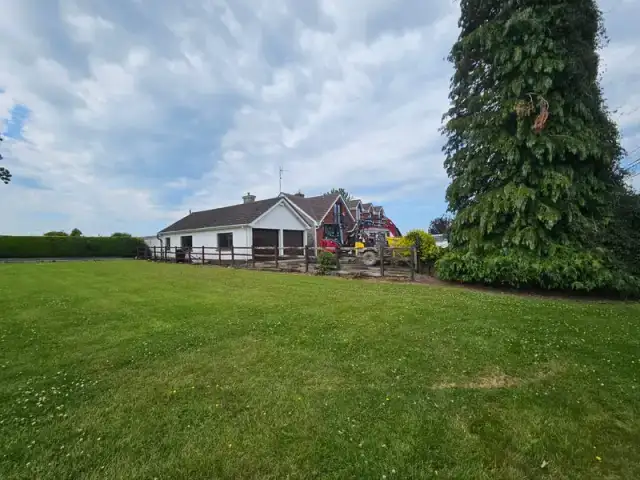
Timing matters more with trees than with most garden plants. A tree planted at the wrong time of year, or without proper aftercare, can fail to establish and either grow poorly or die in its first summer. Given the investment that even a modest tree represents, getting the planting time and aftercare right is worthwhile.
This guide covers the best times to plant trees in Ireland, the difference between bare-root and container-grown stock, and what to do after planting.
The Best Time to Plant Trees in Ireland
The short answer: late autumn to early spring, from late October through to March.
This window corresponds to the dormant period for deciduous trees. The tree is not actively growing, which means it is under minimal stress from transplanting, and the wet Irish winter provides natural moisture during the critical establishment period.
Ireland’s mild winters are an advantage here. Unlike colder northern European climates where the ground freezes hard from November to March, planting can continue through most of the winter in County Louth, pausing only during periods of hard frost or very waterlogged ground.
Bare-Root vs Container-Grown Trees
Understanding the difference helps you make the most cost-effective choice.
Bare-root trees are lifted from nursery fields while dormant, with the soil removed from the roots. They are only available from late October to March. The advantages:
- Significantly cheaper than container-grown equivalents (sometimes less than half the price)
- Easier to handle and plant on larger projects
- Often establish better than container-grown trees because the roots are undisturbed and free to spread into the surrounding soil
- Available in a wider range of species and sizes from specialist nurseries
Bare-root trees must be planted while dormant. If they arrive while you cannot plant immediately, heel them into a pile of damp soil in a sheltered spot, keep the roots moist, and plant within two weeks.
Container-grown trees are in pots and can be planted year-round, though summer planting increases the demand for watering. Advantages:
- Available twelve months a year
- Easier to transport and store for short periods
- Often larger and more immediately impactful than bare-root equivalents at the same price point
For most planting from October to March, bare-root trees are the better value choice. Container-grown trees are the practical option for spring and summer planting, and for larger specimen trees where the immediate visual impact matters.
Month-by-Month Planting Guide for County Louth
| Month | Bare root | Container | Notes |
|---|---|---|---|
| January | Good | Good | Ideal dormant planting window. Avoid frozen ground. |
| February | Good | Good | Last chance for bare-root as buds begin to swell. |
| March | Possible | Good | Bare-root window closing. Plant early in the month. |
| April | No | Good | Avoid bare-root. Increase watering for container. |
| May | No | Possible | Extra watering essential. Avoid during dry spells. |
| June | No | Caution | High stress risk without reliable watering. |
| July | No | Not advised | Drought risk in Ireland is real in summer. |
| August | No | Not advised | As July. |
| September | No | Good | Stress easing. Soil still warm, roots establish well. |
| October | Good | Good | Dormancy beginning. Best month to start planting. |
| November | Good | Good | Main bare-root season begins. Excellent planting time. |
| December | Good | Good | Good if ground not frozen. |
How to Plant a Tree Properly
The most common reason trees fail is poor planting technique. This is avoidable.
Dig the hole wide, not deep. The hole should be two to three times the width of the rootball but only as deep as the rootball. A common mistake is digging too deep, which causes the tree to sink over time and buries the root flare (the flare at the base of the trunk where it widens). The root flare should be at or just above the finished ground level.
Loosen the surrounding soil. Break up the sides of the hole with a fork so roots can penetrate into the surrounding ground.
Do not add fertiliser into the planting hole. It can burn roots and encourage the tree to stay within the amended soil rather than spreading outward. Apply fertiliser to the surface after planting if needed.
Stake correctly. Use a low stake (not a tall one) at a 45-degree angle, driven in away from the rootball. The stake should hold the base of the stem without restricting the top from moving in the wind. Movement in wind encourages the development of a strong trunk. Remove the stake after two years.
Mulch the base. Apply a 100mm layer of bark mulch or compost in a 1 metre diameter circle around the base, keeping the mulch clear of the trunk by 50mm. This retains moisture, suppresses weeds, and insulates the root zone. The most important aftercare step.
Water in well. Give a thorough soaking at planting, then monitor. In County Louth’s wet climate, additional watering is usually only needed during dry spells in the first summer.
Aftercare in the First Year
Most tree failures occur in the first summer after planting, when the tree is establishing roots into new soil and may encounter dry periods before it is fully anchored.
- Water during any dry period of more than two weeks, particularly from May to September
- Keep the mulch topped up and weeds clear from the base
- Check the stake and tie regularly and loosen if it is restricting growth
- Do not prune newly planted trees in the first year unless removing dead or damaged material
At Gardening Services Dundalk, we supply and plant trees across Dundalk and County Louth, with aftercare advice included. Contact us here to discuss planting requirements for your garden.
For related reading: best trees for Irish gardens, trees for garden privacy, and our tree planting and removal service page.