
Maintaining the health and aesthetics of your Irish garden requires occasional pruning of its trees. Before engaging a tree surgeon to undertake this vital task, it’s useful to have a set of questions ready to ensure the professional you choose is aptly qualified and capable of fulfilling your specific gardening needs.
By asking the right questions, you not only safeguard the well-being of your trees but also ensure that the work done aligns with your vision for your garden.
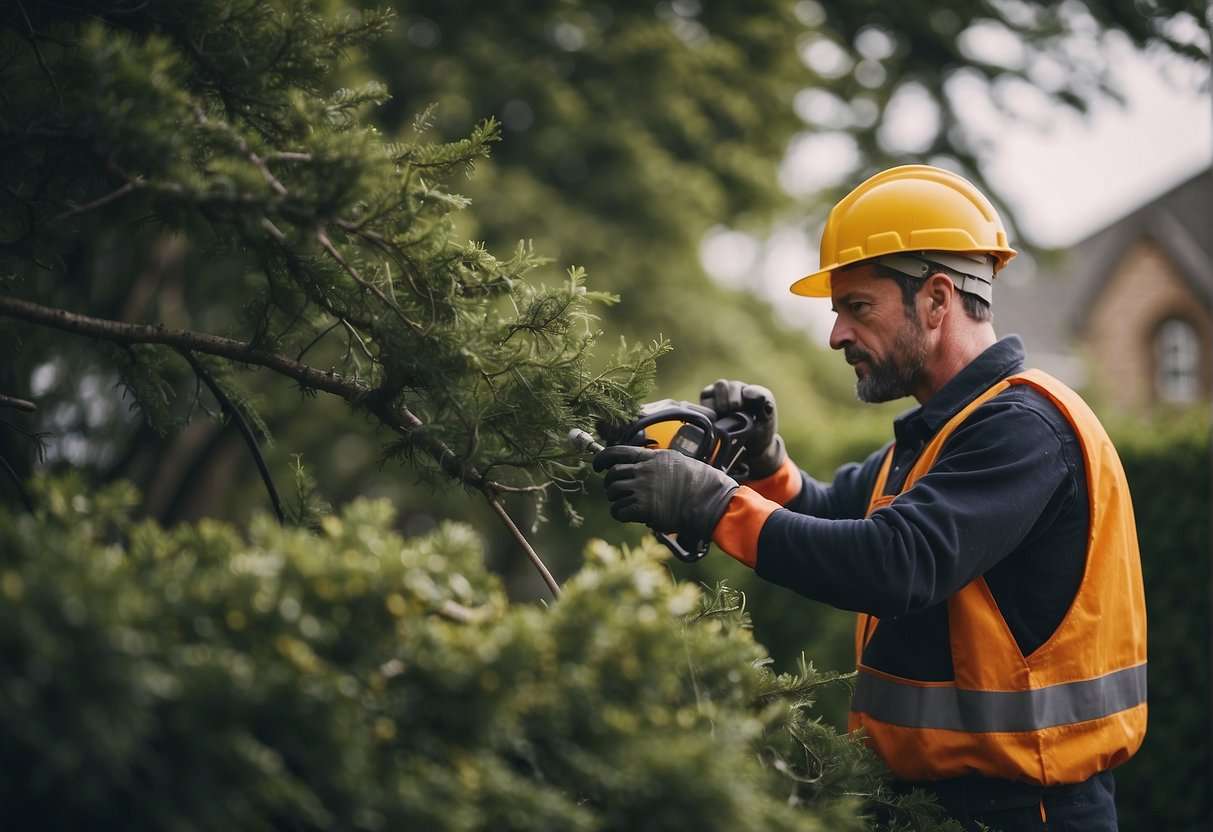
Pruning trees can seem straightforward, but it involves much more than just cutting away branches. It’s a crucial task that should be done with care and precision to preserve the tree’s health and appearance as well as to ensure the safety of your property and surroundings.
Consequently, the expertise of a tree surgeon becomes invaluable. When selecting a specialist for your garden, it is essential to discuss their services, understand the factors that might affect the pruning process, and be clear about the pricing and safety compliance measures they adhere to.
Key Takeaways
- Ensure the tree surgeon is qualified and experienced in tree pruning.
- Discuss all services offered, including aftercare and area coverage.
- Confirm the cost, safety compliance, and the best time for the procedure.
Understanding Tree Pruning and Its Importance
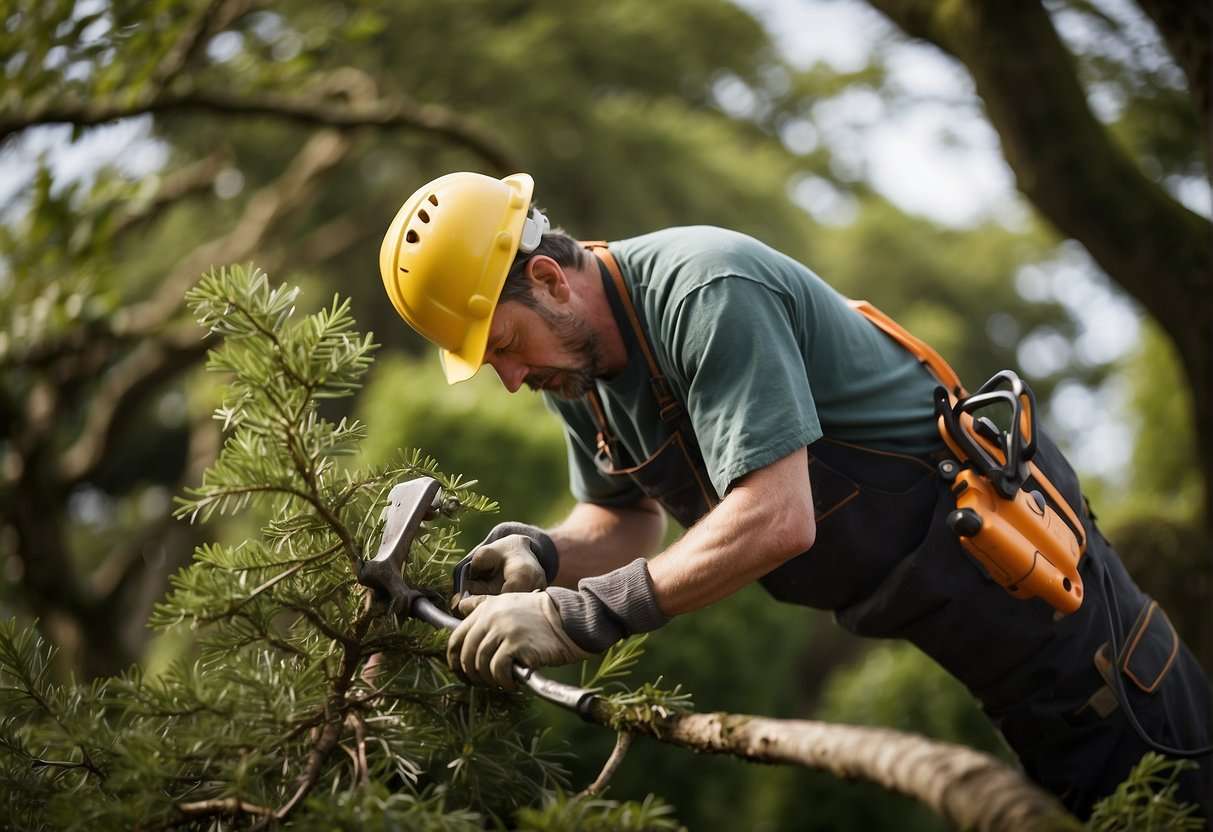
When you’re looking to optimise the health and appearance of the trees in your garden, understanding the practice of pruning becomes essential. Key components include the benefits, various techniques employed, and knowing the optimal time to prune.
Benefits of Pruning
- Health: Pruning removes dead or diseased branches, preventing the spread of decay and enhancing the overall health of your tree.
- Safety: By eliminating potential hazards such as decaying branches, you’re reducing the risk of harm to both people and property.
- Growth: Strategic cuts can encourage the development of a strong structure, which supports the tree’s growth and longevity.
- Appearance: It shapes trees to complement your garden’s aesthetics, maintaining a neat and tidy landscape.
- Environment: Proper pruning can help maintain balance in your local ecosystem by aiding in disease control and promoting healthy plant communities.
Pruning Techniques
Pruning is not a ‘one-size-fits-all’ procedure. Different species and conditions necessitate specific approaches:
- Thinning: Involves removing select branches to improve structure and allow light and air to permeate the canopy.
- Raising: Removing lower branches to clear space for vehicles, pedestrians, and views.
- Reduction: Decreasing the size of a tree, often for utility line clearance or to reduce stress on individual branches.
Best Time for Pruning
Timing is crucial when it comes to pruning. It can vary depending on the species, but a few general guidelines apply:
- Dormant Season: Generally, the dormant period in late autumn to winter is ideal as it minimizes sap loss and reduces stress.
- Sap Rising: Some trees, like maples and walnuts, are best pruned in the late summer when sap production decreases.
- Flowering Trees: If your tree blooms in spring, prune when the flowers fade; if in summer, late winter or early spring is suitable before the growth spurt.
Selecting a Tree Surgeon
When you’re looking for a tree surgeon to take care of your Irish garden, it’s vital to consider their qualifications, insurance, and reputation. Making the right choice ensures your trees are pruned properly and safely.
Qualifications and Experience
To ensure that your tree surgeon has the professional knowledge to handle the task, check their qualifications. Look for someone who has a National Certificate in Arboriculture or a similar credential. Experienced tree surgeons should be able to demonstrate a track record of successful projects, so don’t hesitate to ask for examples of their previous work.
- Qualifications to look for:
- National Certificate in Arboriculture
- City & Guilds National Certificate
- FETAC Level 5 Certificate
Insurance and Certification
Your tree surgeon must be fully insured; this includes having public liability insurance and professional indemnity insurance. This protects your property and ensures you’re not liable for any accidents. Additionally, they should be certified by a recognised body such as the Arboricultural Association.
- Insurance Checklist:
- Public Liability Insurance
- Professional Indemnity Insurance
- Certification Bodies:
- Arboricultural Association
- Tree Care Industry Association
Reputation and Customer Satisfaction
Before making a decision, read reviews and testimonials to gauge customer satisfaction. A reputable tree surgeon will have positive feedback and be recommended by past clients. You can also ask for references to directly hear about others’ experiences.
- Reputability Indicators:
- Positive online reviews and testimonials
- Client references available upon request
Services Offered
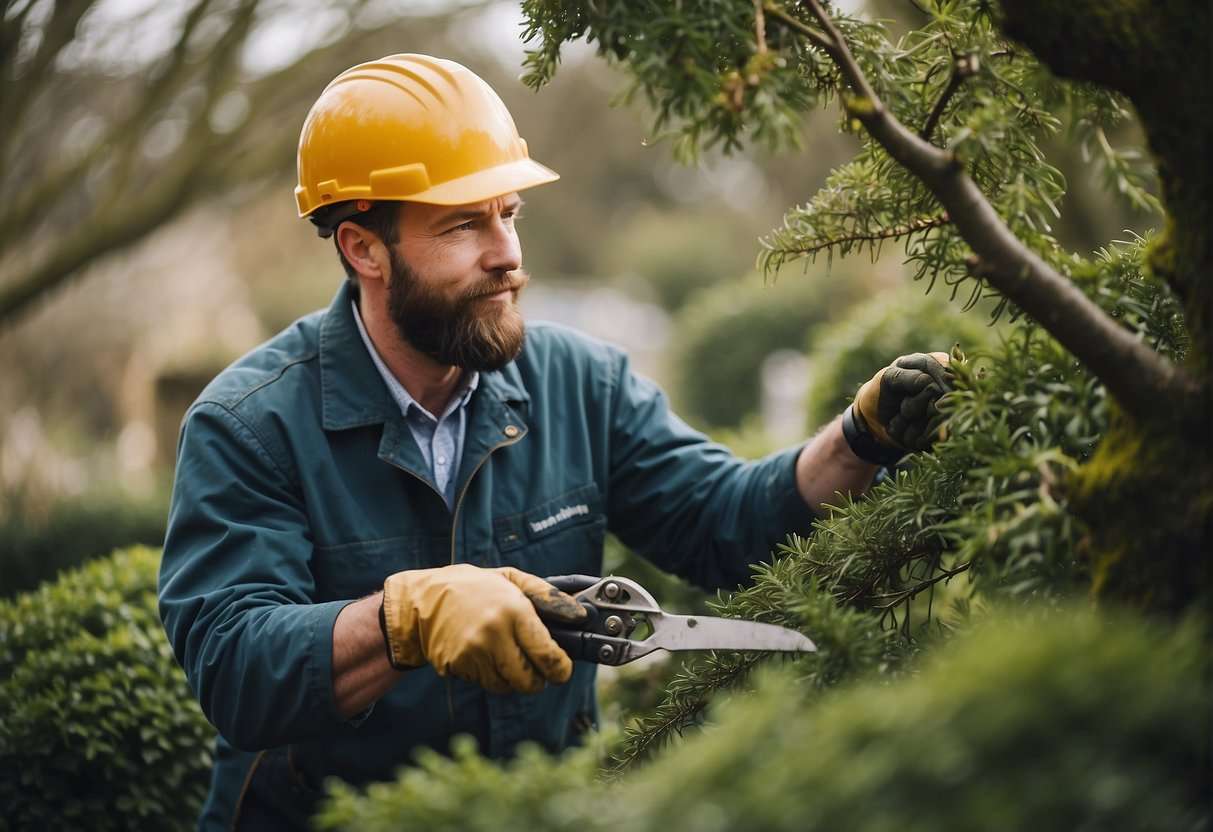
Before inviting a tree surgeon into your garden, knowing the breadth of services they offer ensures your green space gets the appropriate care and maintenance it requires.
Range of Tree Services
The array of tree services typically includes tree pruning, to maintain health and aesthetics, and tree felling, for when a tree is diseased or poses a danger. Look for services like crown reduction, which helps manage tree size and light penetration, and stump removal to clear your garden of unsightly remnants following a tree removal.
- Tree Pruning: Preserving tree health and garden aesthetics
- Tree Removal: Safe removal of unwanted trees
- Crown Reduction: Balancing tree shape and size
- Stump Removal: Complete extraction of leftover stumps
Emergency Tree Services
In the event of unexpected issues, emergency tree services offer swift response for scenarios like storm damage or sudden tree decline. Ensure your chosen expert is equipped to handle urgent situations requiring immediate tree surgery or tree removal to mitigate potential hazards.
- Emergency Tree Surgery: Prompt attention to damaged or dangerous trees
- Urgent Tree Removal: Fast removal of fallen or hazardous trees
Additional Gardening Services
Beyond trees, professional services may extend to hedge trimming and grounds maintenance, to maintain the overall tidiness and health of your property. Some surgeons may provide comprehensive maintenance service plans, including tree planting and regular tree maintenance, to nurture your garden’s longevity.
- Hedge Trimming: For neat and tidy hedge lines
- Grounds Maintenance: Extensive care for your entire garden area
- Tree Planting: Adding new life to your garden ecosystem
- Tree Maintenance: Ongoing care to support tree vitality
Factors Affecting Tree Pruning
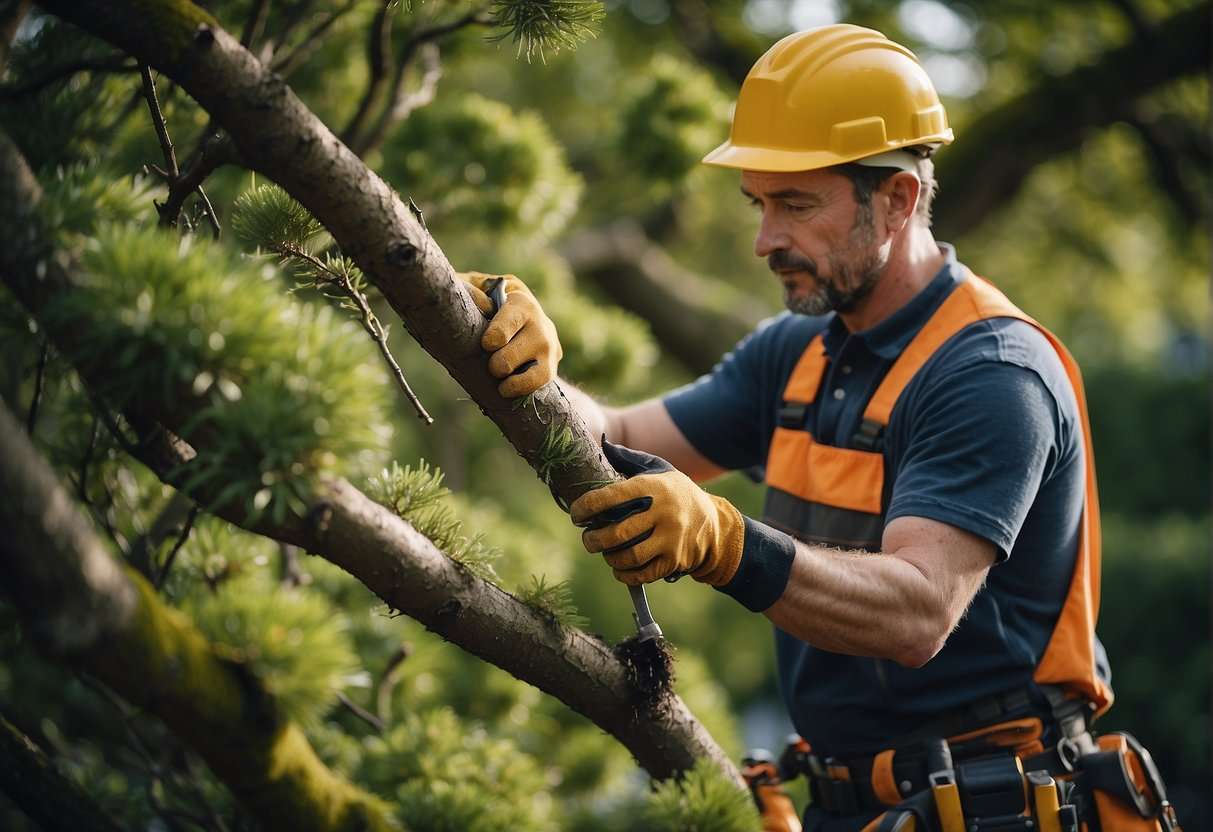
Before a tree surgeon embarks on pruning your trees, it’s crucial to consider a few key points. The species and size of the tree, its health and condition, and the surrounding environmental factors all influence the approach and methods used in pruning.
Tree Species and Size
The species of your tree determines the specific pruning needs and the best times of year to do it. For example, fruit trees may require pruning to stimulate fruit production, while conifers might only need light thinning.
- Small trees: typically less than 10 metres in height, might need more delicate pruning to maintain their shape and prevent overcrowding.
- Large trees: over 10 metres, often have more complex structures and may require specialized equipment to handle their larger branches.
Tree Health and Condition
A thorough assessment of your tree’s health is essential before pruning. Look for signs such as:
- Healthy branches: green and flexible.
- Diseased or damaged branches: often discolored, brittle, or showing signs of fungi.
If your tree is in poor condition, your tree surgeon might suggest more drastic measures such as heavy pruning or even tree removal to mitigate safety risks.
Environmental Considerations
Your tree’s environment plays a part in its pruning needs. Be mindful of the following:
- Proximity to structures: Trees close to your home or power lines may require careful pruning to prevent damage.
- Weather conditions: In Ireland, the wet climate can foster diseases, so pruning should be done to improve air circulation within the canopy which helps keep the tree healthy.
Always check local wildlife regulations as certain times of year may be off-limits for pruning to protect nesting birds.
Cost and Pricing
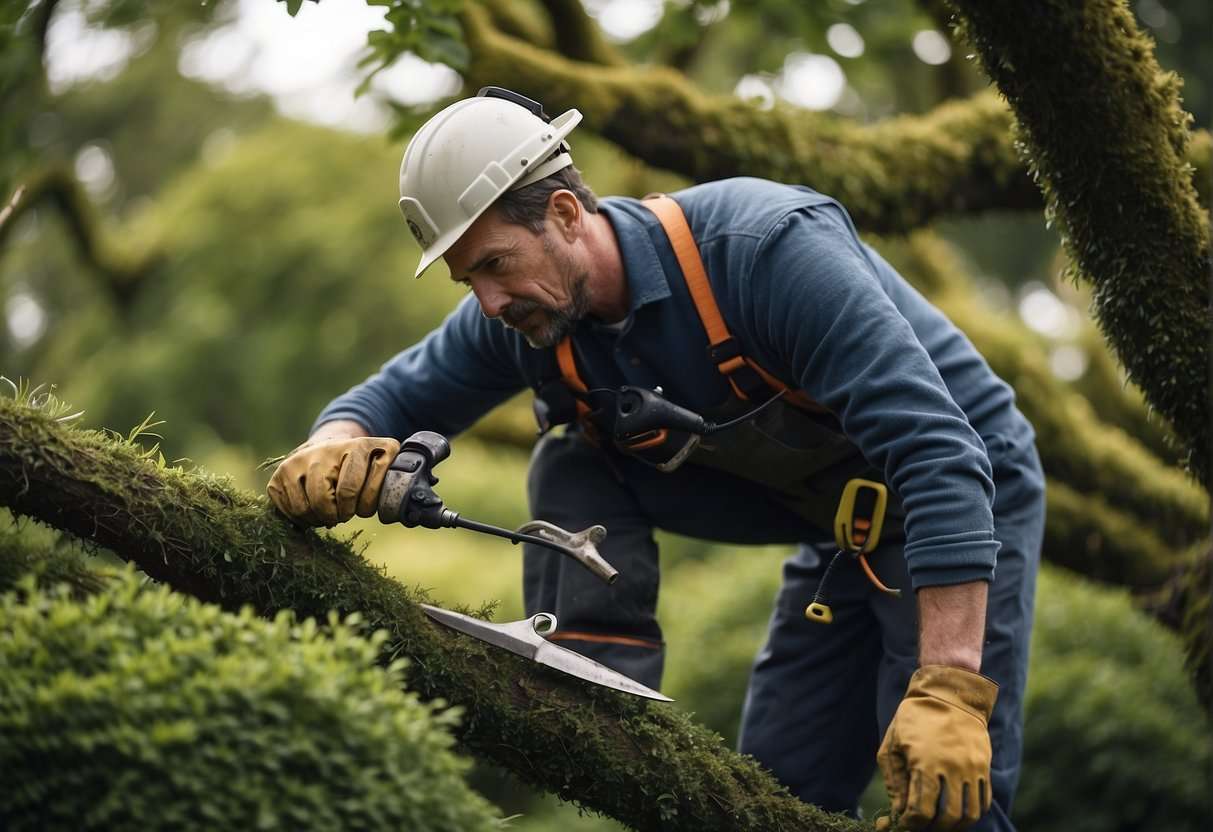
Before you get your trees pruned, it’s crucial to understand how much it might cost you and what factors will affect that cost. Comparing quotes from different tree surgeons can ensure you find an affordable service that suits your needs.
Understanding the Quotation
When you receive a quotation, it’s not just a number; it represents the full scope of work to be carried out in your garden. Your tree surgeon should provide a detailed estimate that includes the following:
- Type and number of trees to be pruned
- The complexity of the job
- Any additional services required such as disposal of debris
It’s advisable to ask for a free quote so you can budget accordingly without any commitment.
Factors Influencing Price
Several factors can impact the price of tree pruning, and it’s essential to consider these when reviewing your quote:
- Size of trees: Larger trees usually cost more to prune due to the increased labour and time required.
- Location: Trees that are difficult to access may incur additional costs.
- Time of year: Some seasons are busier for tree surgeons, which could affect availability and price.
- Health of the tree: Diseased or damaged trees might need more work, influencing the price.
Comparing Quotes
When you’ve gathered several quotes, it’s time to compare them. Look at:
- Breakdown of services: Ensure each quote details the same services so you’re comparing like with like.
- Total cost: Don’t just focus on the bottom line; consider value for money.
- Credentials: Verify that the price includes service from a certified and insured tree surgeon.
By weighing up these elements, you can choose a tree surgeon that offers not only a fair price but also the assurance of quality work.
Safety and Compliance
Before you engage a tree surgeon to prune trees in your garden, it’s crucial to ensure they follow robust safety protocols and comply with all relevant regulations. This will safeguard both the workers and your property during the tree pruning process.
Safety Protocols
Your tree surgeon should be able to detail the safety measures they take to prevent accidents. Please inquire about:
- Personal Protective Equipment (PPE): Ensure that all staff wear appropriate PPE, including helmets, gloves, and safety boots.
- Tools and Equipment: The equipment should be well-maintained and suitable for the specific job.
- Risk Assessment: A pre-work risk assessment should be conducted to identify potential hazards.
Compliant Workforce with Regulations
It is pivotal that the tree surgery company’s workforce is fully trained and compliant with industry regulations. Specifically, look for:
- Certifications: Check for qualifications such as the City & Guilds NPTC certificates, which denote a standard of competency.
- Insurance: Confirm that they have liability insurance to cover any damages.
Emergency Procedures
Despite all precautions, emergencies can occur. Your tree surgeon should have an emergency plan in place, which includes:
- First Aid Training: All personnel should be trained in first aid.
- Emergency Contacts: The company should have a clear procedure for contacting emergency services if necessary.
Geographical and Area Coverage
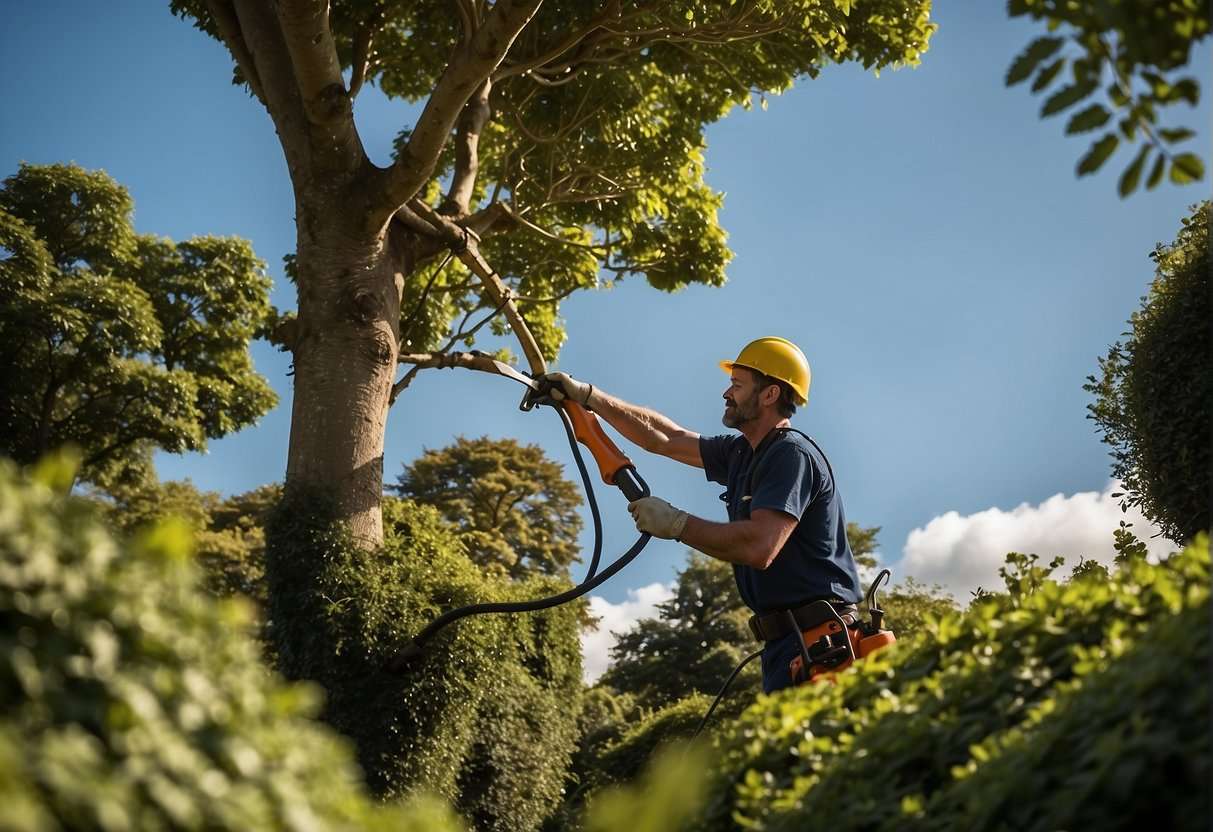
Before you arrange for a tree surgeon to attend your Irish garden, it’s important to understand the geographical and area coverage of their services. This ensures they’re permitted to work in your specific locale, and that they’re familiar with the unique flora and regulations of your region.
Local Tree Surgeons in Dublin
If you’re based in Dublin, look for tree surgeons who specifically mention Dublin as part of their service area. These professionals, often referred to as tree surgeon Dublin, will have a firm grasp of the local species and the specific challenges they face. Make a list of services offered such as professional tree surgery and commercial tree services within the city.
- Local Knowledge: Must be knowledgeable about Dublin’s unique tree species and urban landscape.
- Services: Look for pruning, maintenance, emergency care, and other comprehensive tree care offerings.
Service Areas Beyond Dublin
For those of you in the neighbouring counties like Meath and Kildare, ensure that the tree surgery services extend beyond the city limits. The coverage area can greatly impact the availability and response times for your garden’s needs.
- Extended Coverage: Confirm if they offer services in Meath, Kildare, or other surrounding areas.
- Response Time: Clarify how far the service extends and the expected time frame for appointments.
Understanding Local Regulations
Conversing with your tree surgeon about local regulations is key. For instance, Dublin City Council may have specific guidelines for tree pruning or removal. Your chosen professional should be conversant with such regulations to ensure compliance and avoid potential fines.
- Regulatory Compliance: Familiarity with local council guidelines for pruning and tree care is necessary.
- Permits: Ask about their process for handling permissions and whether they liaise with local authorities on your behalf.
Aftercare and Maintenance
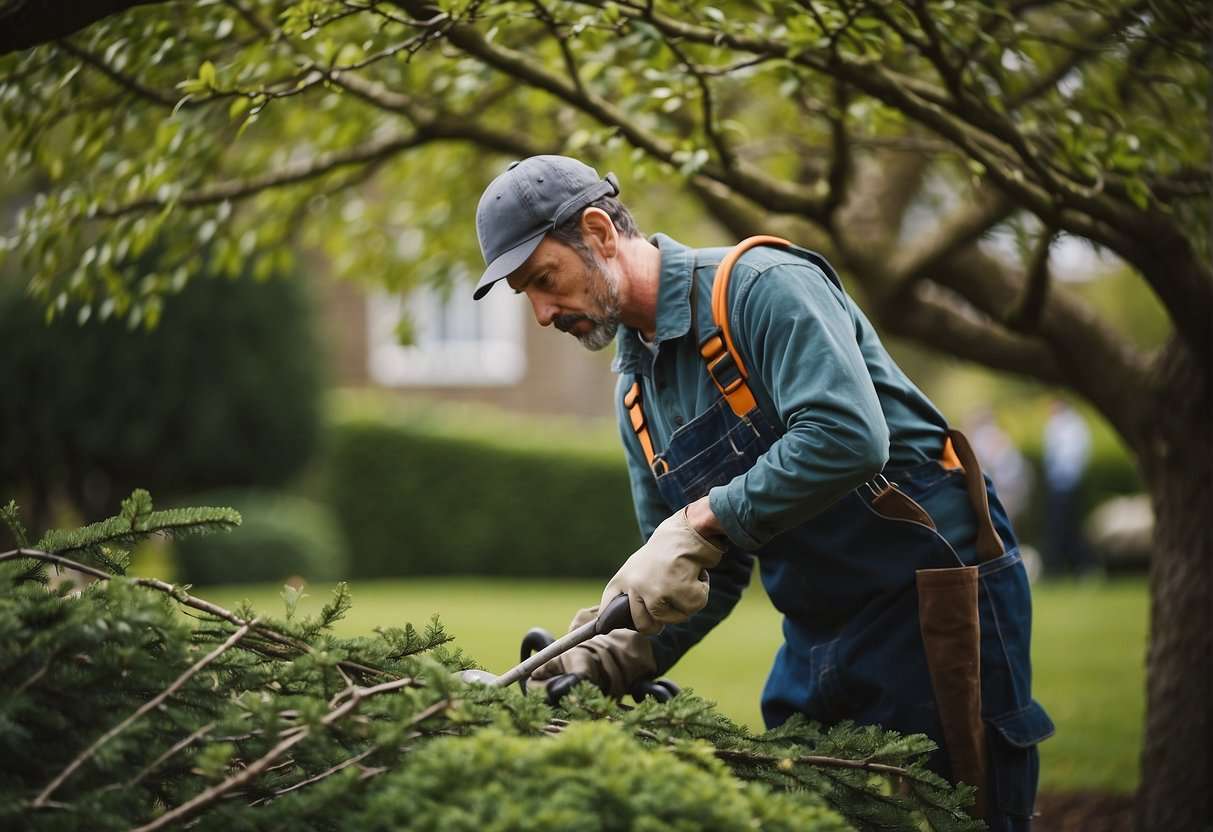
After your trees have been pruned, it’s vital to follow proper aftercare to ensure their health and promote vigorous growth. Regular maintenance services also play a crucial role in the longevity and aesthetics of your garden.
Post-Pruning Tree Care
Immediately after pruning, it’s essential to protect the exposed areas of your trees from pests and diseases. Use antifungal agents or healing pastes specifically designed for trees to cover larger wounds, which can be obtained from a local garden centre. Make sure to keep the area around the trees clear of debris to prevent any fungal growth.
- Watering: Ensure your trees are adequately watered, especially during dry spells.
- Mulching: Apply a layer of organic mulch around the base of the tree to retain moisture and regulate soil temperature.
Ongoing Maintenance Services
Regular check-ups from your tree surgeon can catch problems early. Here are some ongoing services you might discuss with them:
- Inspection: Annual inspections to assess tree health.
- Pest management: Monitoring and treating for pests that can infest trees.
- Fertilisation: To provide necessary nutrients and enhance growth.
Remember, consistent tree maintenance services are the backbone of a flourishing garden.
Seasonal Considerations
Trees require different care depending on the season. Here are a few season-specific tips:
- Spring: Look out for signs of new growth. It’s an ideal time for fertilisation to kickstart the growing season.
- Summer: Focus on watering and checking for pest infestations.
- Autumn: Pre-winter care includes mulching and last-minute pruning if needed.
- Winter: Protect young trees from frost and refrain from pruning to avoid stress.
By being attentive to the seasonal needs of your trees, you can contribute to their health and the overall charm of your Irish garden.
Choosing the Right Time for Tree Surgery
When considering tree surgery in your Irish garden, timing is essential. Not only does it affect the health of your trees, but it also involves dealing with Irish weather and arranging your busy schedule.
Seasonal and Weather Considerations
Spring: Often the best time for tree pruning, especially after buds begin to form. It allows for strong growth during the season. However, avoid pruning when sap flow is high as this can harm the tree.
Summer: Pruning now can slow the growth of unwanted or overly vigorous branches. Always check for nesting birds before starting, as it’s illegal to disturb them.
Autumn: Generally not ideal; trees are preparing for dormancy and cuts heal slower. Plus, wet weather can increase the risk of fungal infections.
Winter: Can be good for pruning as trees are dormant, and the structure is visible. But beware, stormy weather could make it unsafe for both you and the tree surgeons due to slippery conditions and high winds.
Scheduling Your Service
- Advance Planning: Contact tree surgery services well ahead of time, as they can get booked up, especially after storms or during peak seasons.
- Safety First: Ensure the service you choose prioritises safety and has a good understanding of how to manage work during unpredictable weather.
- Flexibility: Be prepared to adjust your timescale if a storm is forecast. Safety takes precedence over convenience.
Final Thoughts and Next Steps
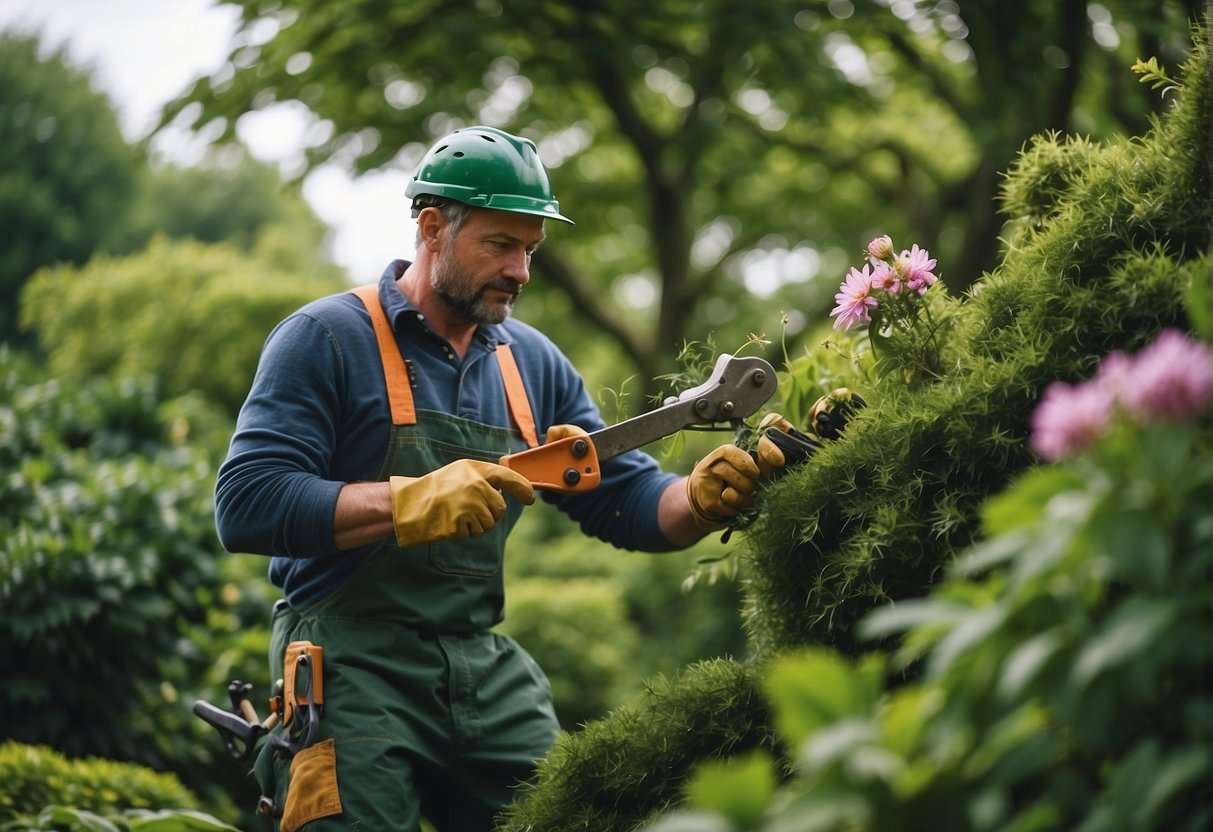
When you’re ready to care for your Irish garden, finding a professional tree surgeon is key to ensuring the health of your trees. Take these steps to secure a reliable service:
- List Your Needs: Jot down what you need – be it pruning, tree removal or health assessments.
- Gather Recommendations: Ask friends or family for suggestions or search online for “tree surgeon near me”.
- Check Credentials: Ensure they’re qualified and insured. Certifications from reputable bodies are a good sign.
| Things to Verify | Why It Matters |
|---|---|
| Qualifications & Insurance | Protection for you and your property |
| Testimonials & Reviews | Insight into reliability and customer satisfaction |
| Quote Transparency | No hidden costs; clear understanding of fees |
- Insist on a Written Quote: Getting a detailed quote helps you avoid unexpected charges.
- Ask About Procedures: Understanding their methods is crucial for your peace of mind.
- Discuss Timing: Align the service schedule with your plans and garden’s needs.
Remember, you play a pivotal role in hiring someone who’ll treat your trees and your property with the care they deserve. Here’s to successful tree care in your lovely Irish garden!


Leave a Reply