When you are getting a new fence, most of the attention goes on the panels or boards — the part you actually see. But the posts are just as important, if not more so. The posts are the structural foundation of your fence, and if they fail, everything comes down with them.
The two main options for garden fencing in Ireland are concrete posts and timber posts. Both have their strengths and drawbacks, and the right choice depends on your priorities — whether that is longevity, appearance, budget, or a combination of all three.
We have been installing fences across Dundalk and County Louth for over 35 years, using both concrete and timber posts. Here is our honest comparison to help you make the right decision.
Concrete Fence Posts
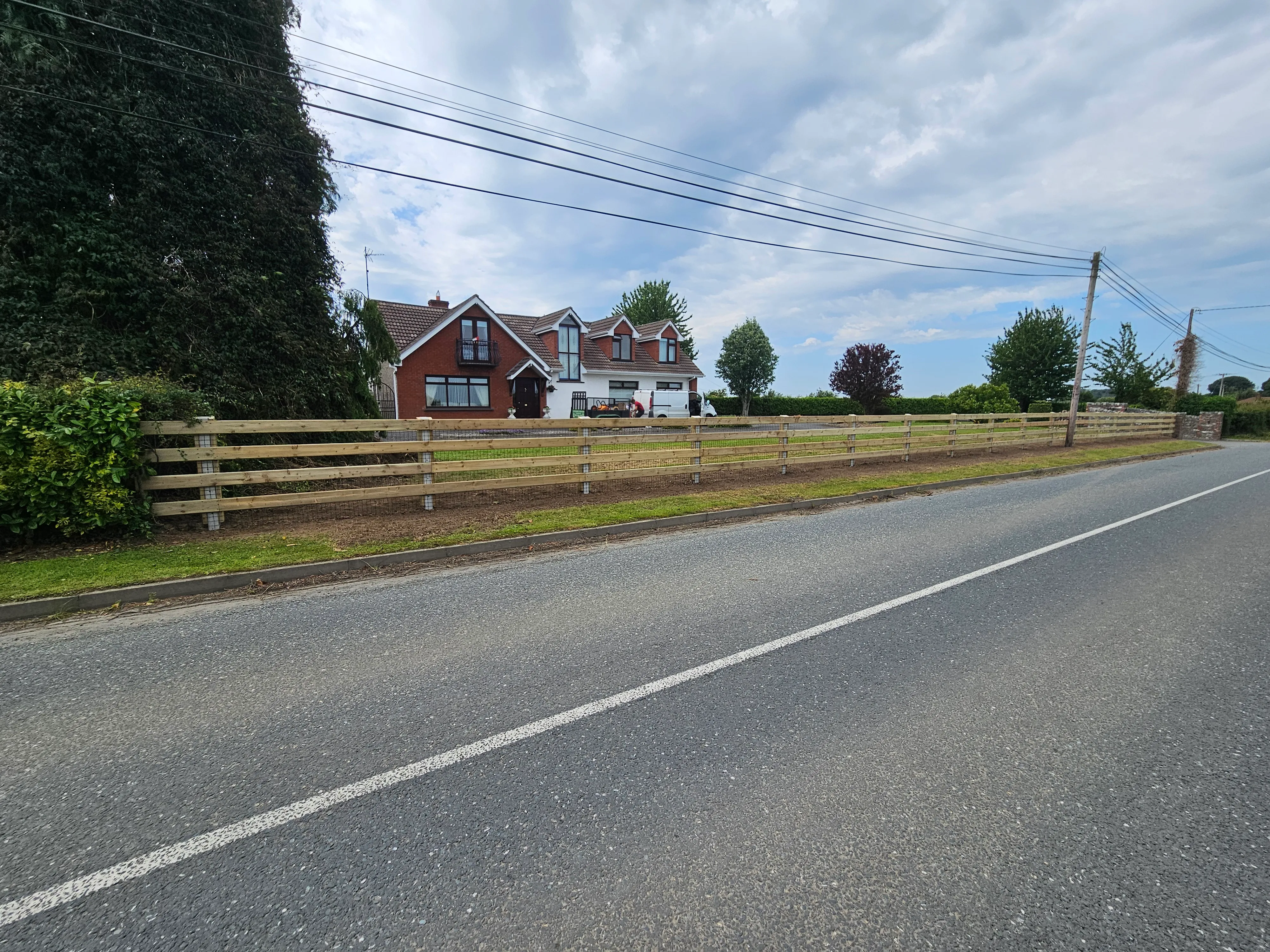
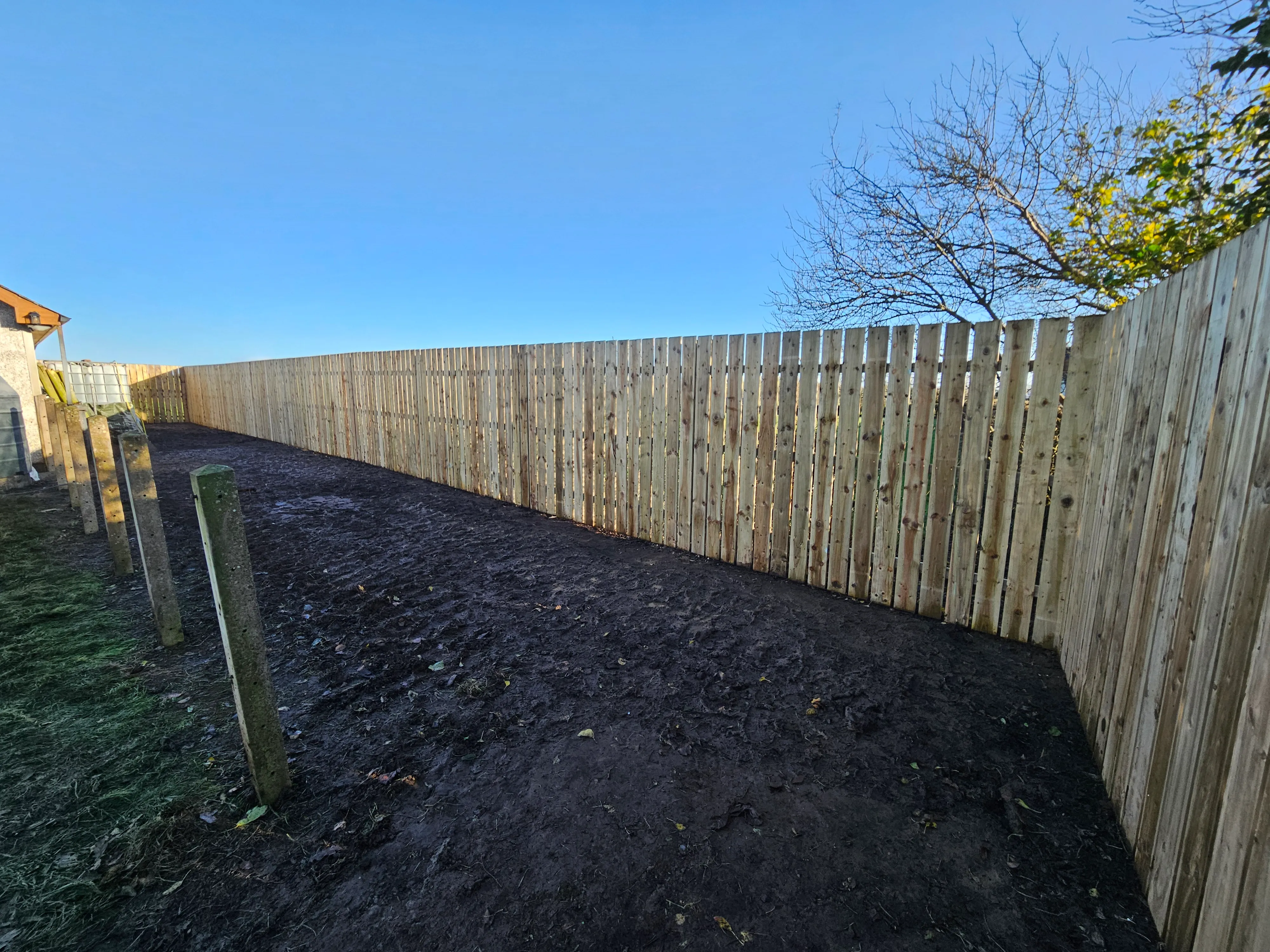
Concrete posts are the most durable option for garden fencing. They are made from reinforced concrete with slots or fixings to hold fence panels, gravel boards, and rails.
Advantages of Concrete Posts
- Longevity: Concrete posts can last 30 years or more. They do not rot, warp, or get eaten by insects. In many cases, the posts will outlast two or three sets of fence panels.
- Low maintenance: Once installed, concrete posts need virtually no maintenance. You do not need to treat, paint, or preserve them.
- Resistance to moisture: Unlike timber, concrete does not absorb water. This is a significant advantage in Ireland where the ground is damp for much of the year.
- Wind resistance: Concrete posts are heavier and more rigid than timber, making them less likely to shift or lean over time.
- Consistent quality: Concrete posts are manufactured to a standard size and shape, so you know what you are getting.
Disadvantages of Concrete Posts
- Appearance: Concrete posts are functional rather than attractive. They have a utilitarian look that some homeowners find unappealing, especially in cottage-style or period gardens.
- Weight: They are heavy, which makes delivery and installation more labour-intensive. This can add to the cost of installation.
- Rigidity: Concrete does not flex. In very high winds, a concrete post will hold firm while a panel may blow out. With timber posts, the slight flex can sometimes absorb wind loading more gradually.
- Difficult to adjust: If you need to alter the height or position of a concrete post after installation, it is much harder than adjusting a timber post.
- Cost: Concrete posts typically cost more per post than standard timber posts, though the price gap has narrowed in recent years.
Best Uses for Concrete Posts
Concrete posts are ideal for:
- Rear garden fencing where durability matters more than appearance
- Properties with waterlogged or heavy clay soil
- Exposed locations that get strong winds
- Homeowners who want a low-maintenance, long-lasting perimeter
- Panel fencing where the slotted concrete post system makes installation straightforward
Timber Fence Posts
Timber posts are the traditional choice for garden fencing. For garden use, they are typically 3x3 inch or 4x4 inch pressure-treated softwood, set into the ground with postcrete or concrete.
Advantages of Timber Posts
- Appearance: Timber posts look more natural and blend better with garden surroundings. They suit a wider range of property styles, from modern estates to country cottages.
- Versatility: Timber posts can be cut to any height, notched for rails, and adapted on site. This makes them ideal for uneven ground, custom fence designs, and situations where you need flexibility.
- Lighter weight: Timber posts are easier to transport and handle, which can reduce installation time and cost.
- Cost: Standard pressure-treated timber posts are generally cheaper per post than concrete equivalents.
- Easier repairs: If a timber post fails, it is relatively straightforward to dig it out and replace it without disturbing the rest of the fence.
Disadvantages of Timber Posts
- Rot: This is the main issue with timber posts. Even pressure-treated timber will eventually rot, particularly at ground level where the post sits in damp soil. In Irish conditions, this is the most common point of failure for garden fences.
- Shorter lifespan: A good-quality timber post will typically last 10 to 15 years in the ground, compared to 30 or more for concrete. Some may last longer if conditions are favourable, but you should plan for eventual replacement.
- Maintenance: Timber posts benefit from occasional treatment with preservative, especially around the base. This is not a large job, but it is something concrete posts do not require.
- Variable quality: Not all timber posts are treated equally. A poorly treated post from a budget supplier could rot in just a few years, while a high-quality pressure-treated post will give much better service.
- Insect damage: Although less common in Ireland than in warmer climates, timber posts can be affected by wood-boring insects over time.
Best Uses for Timber Posts
Timber posts are ideal for:
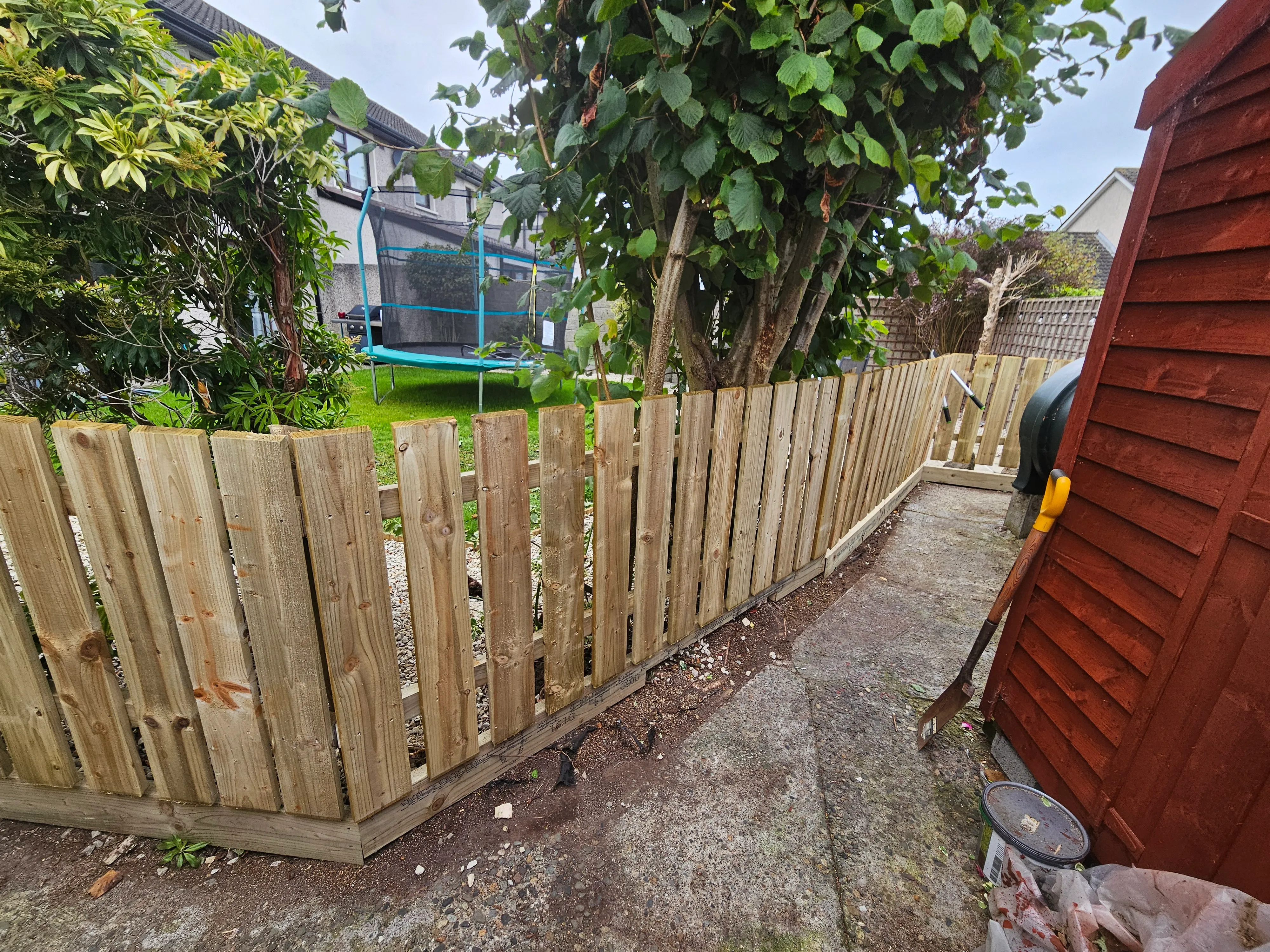
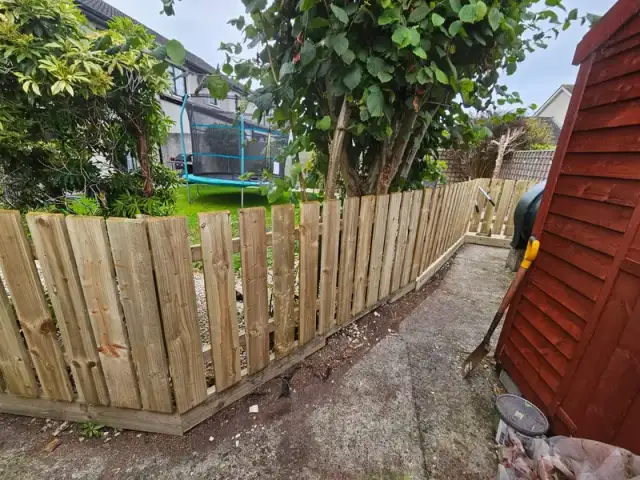
- Front garden fencing where appearance matters
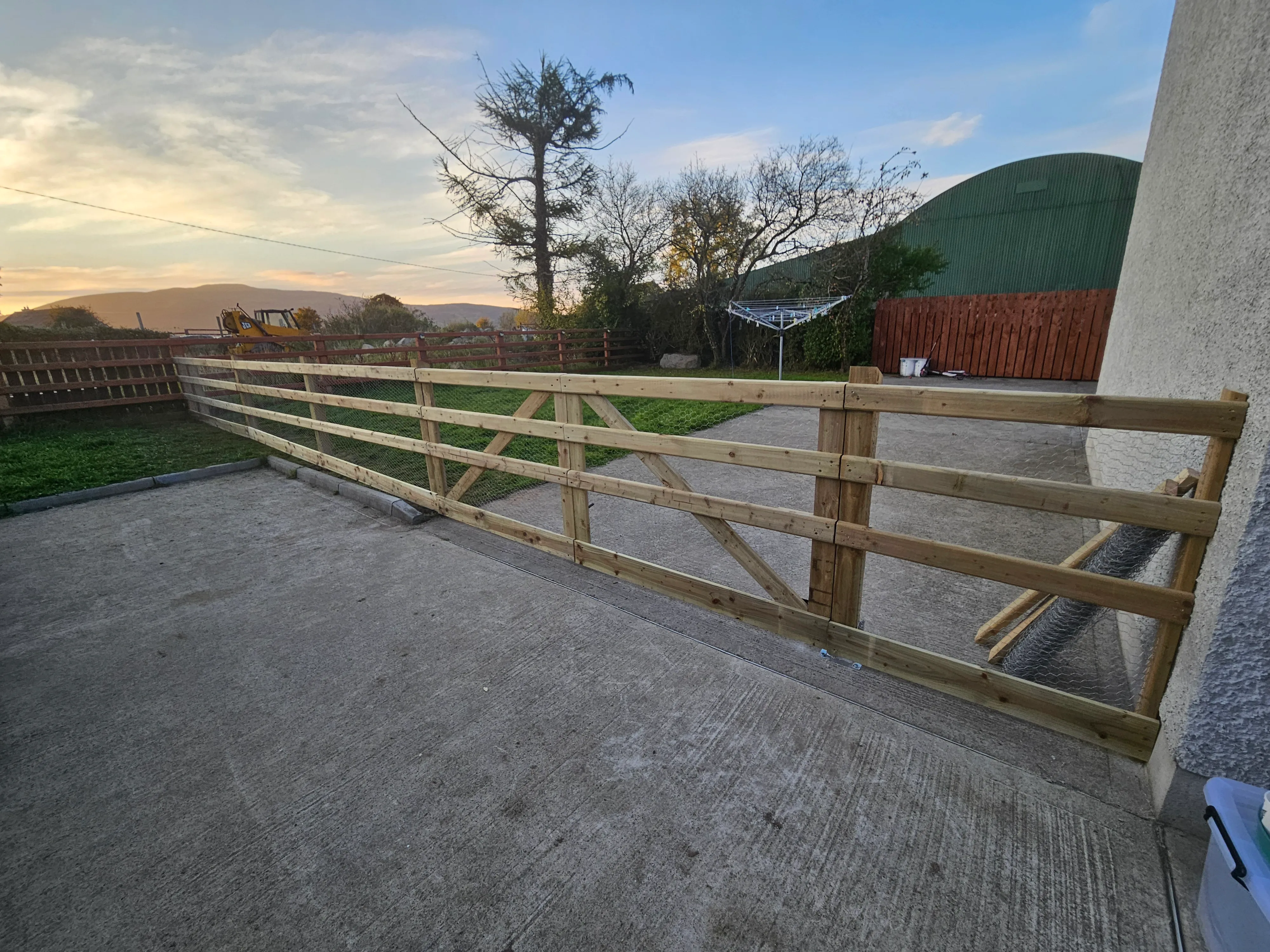
- Picket fences, post and rail fencing, and closeboard fences where the post is a visible part of the design
- Sloped or uneven ground where posts need to be cut to different heights
- Custom or decorative fencing projects
- Budget-conscious projects where initial cost is a key factor
Cost Comparison
Here is a rough guide to current costs for standard 8-foot (2.4m) fence posts in Ireland. Prices vary depending on supplier, quantity, and your location:
| Post Type | Approximate Cost Per Post |
|---|---|
| Slotted concrete post (intermediate) | EUR 18 - 25 |
| Slotted concrete post (end/corner) | EUR 20 - 28 |
| 4x4 inch pressure-treated timber post | EUR 12 - 18 |
| 3x3 inch pressure-treated timber post | EUR 8 - 14 |
While concrete posts cost more upfront, the total cost of ownership over 20 to 25 years often works out lower because you avoid the expense of replacing rotted timber posts partway through the fence’s life.
What We Recommend
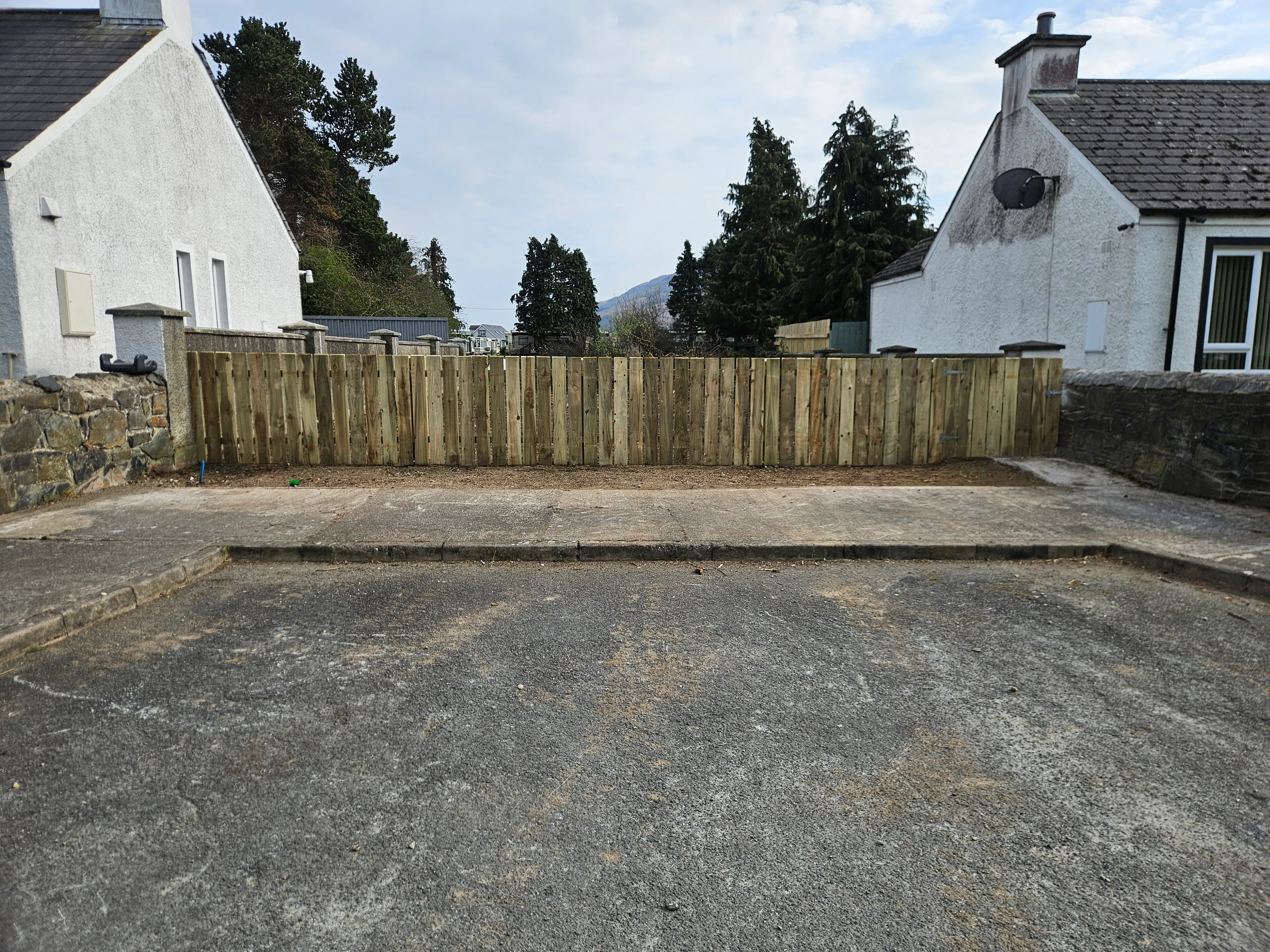
For most rear garden fencing projects in the Dundalk area, we recommend concrete posts. The Irish climate is tough on timber in the ground, and concrete posts simply last longer with less hassle. When you combine concrete posts with concrete gravel boards and good-quality fence panels or closeboard, you get a fence system that will serve you well for two decades or more.
That said, there are situations where timber posts are clearly the better choice. If you are installing a picket fence along your front garden, building a post and rail perimeter, or creating a custom design on sloped ground, timber gives you the flexibility and appearance that concrete cannot match.
The Middle Ground
Some homeowners opt for a combination approach. They use concrete posts for the main rear perimeter where durability is the priority, and timber posts for the front garden or decorative sections where appearance matters more. This gives you the best of both worlds without breaking the budget.
A Word About Installation
Whichever post type you choose, proper installation is critical. Posts need to be set at the correct depth — typically 2 feet in the ground for a 6-foot fence — and they need to be level and properly aligned. A post that is not set deep enough or is poorly braced will fail much sooner than one that is installed correctly, regardless of whether it is concrete or timber.
We always set our posts with care, checking levels and alignment at every stage. It takes a little longer, but it means the fence stands straight and stays standing for years.
Need Help Deciding?
If you are planning a new fence and are not sure whether concrete or timber posts are the right choice, we are happy to advise. Seamus and Pete have been building fences across Dundalk, Drogheda, and County Louth for over 35 years, and we will give you a straight, honest recommendation based on your garden, your budget, and what will last.
Visit our fencing service page for full details on what we offer, or give us a call on 085 168 5170 for a free quote and a chat about what will work best for your property.