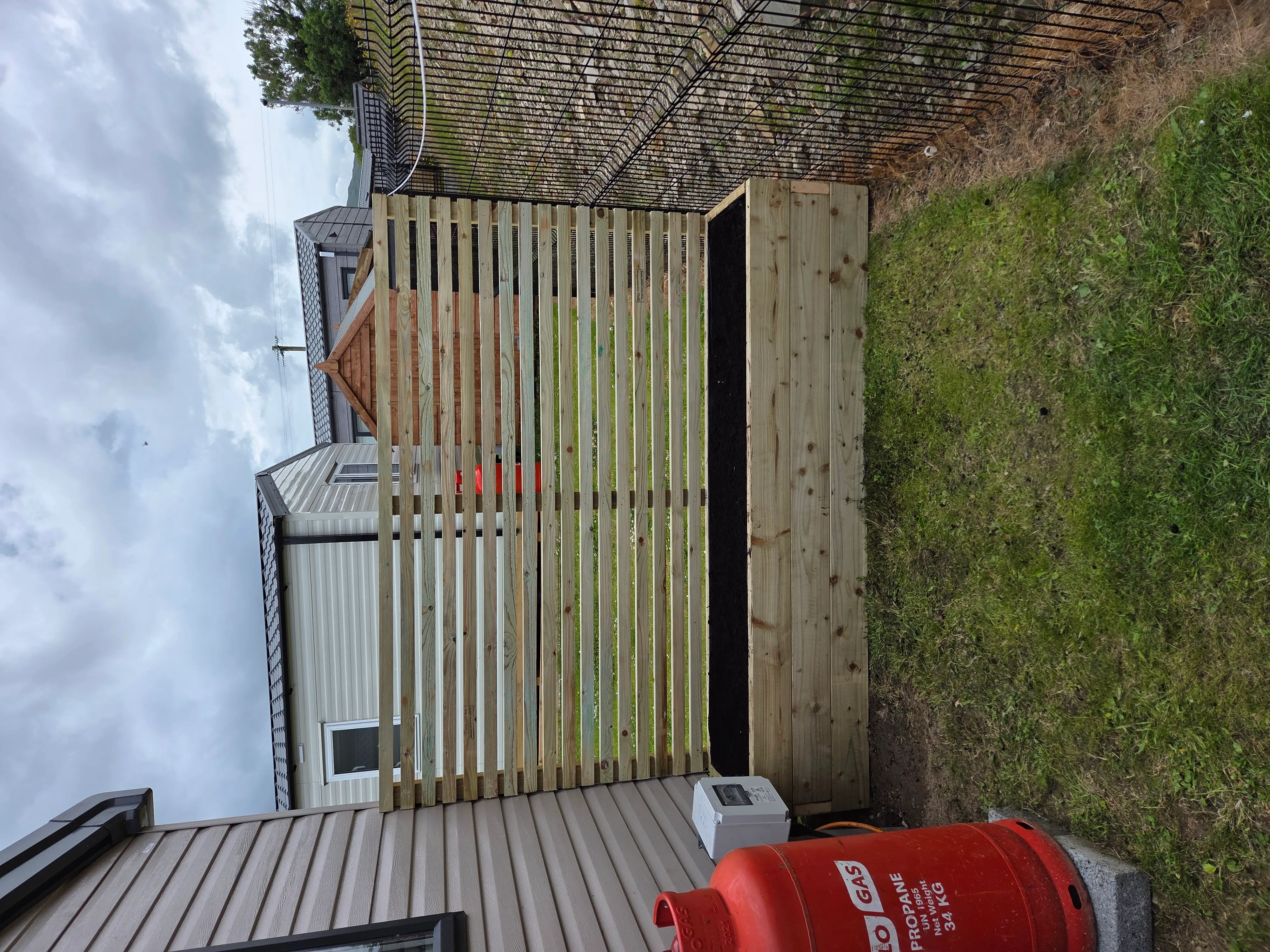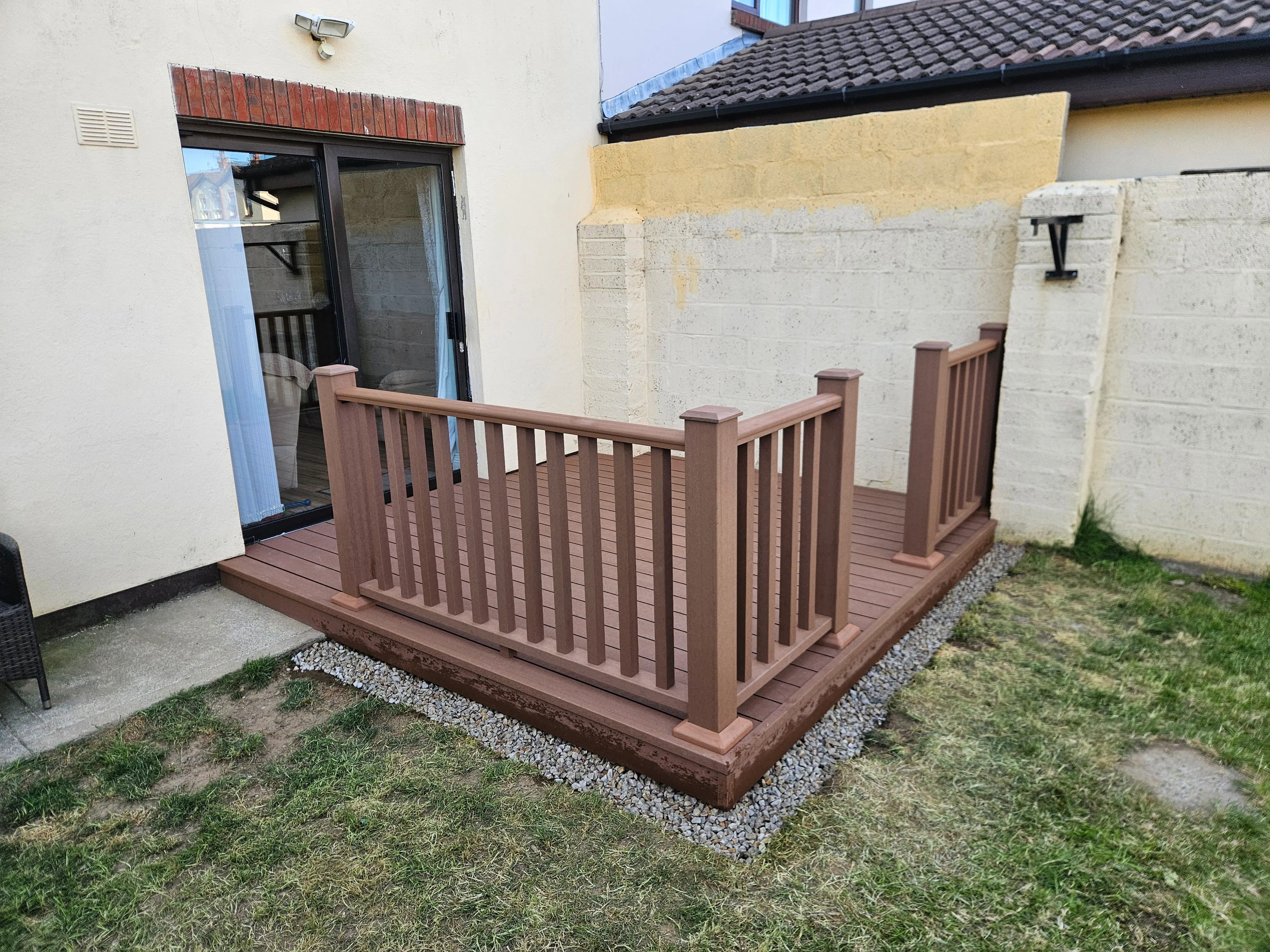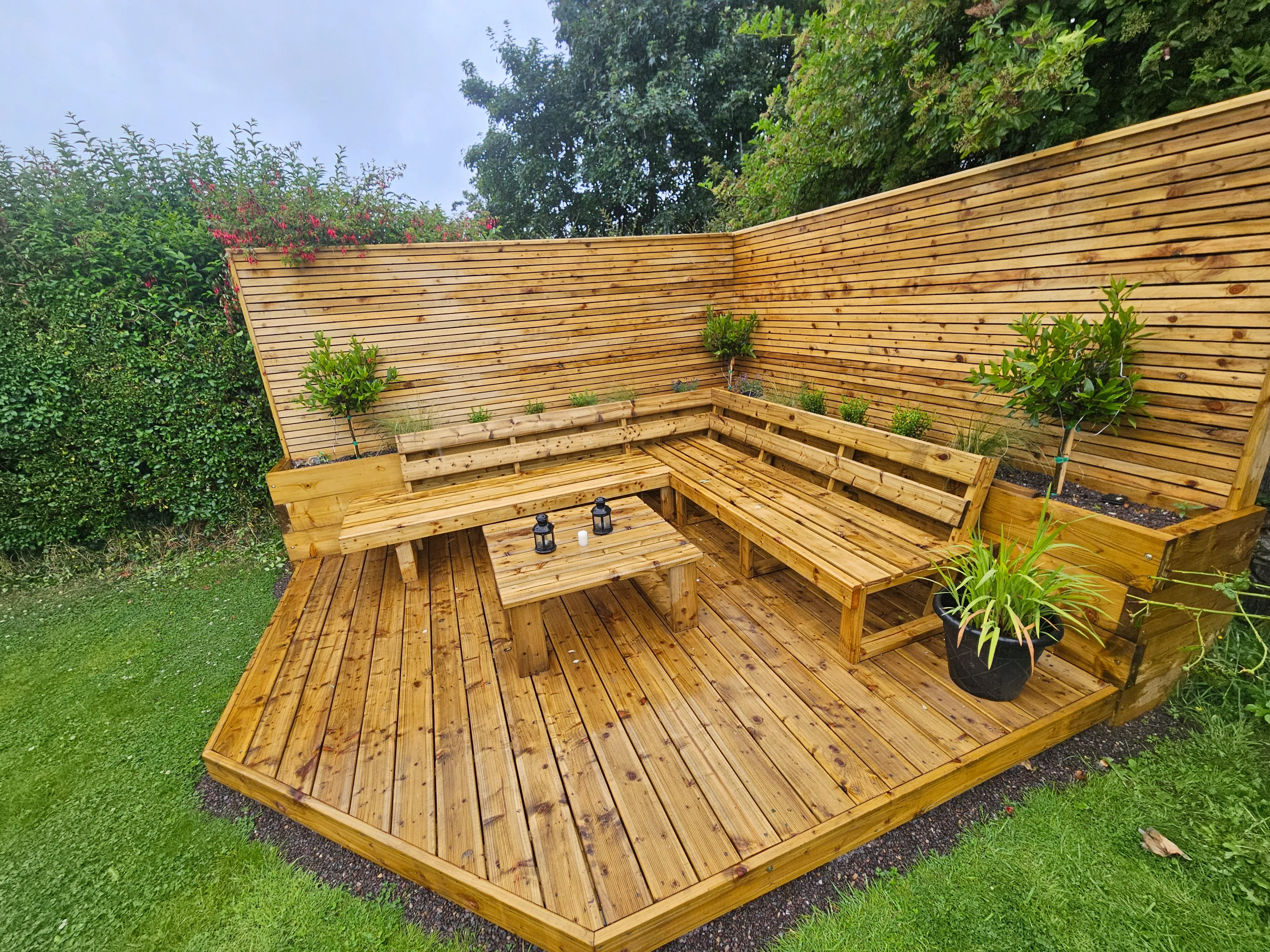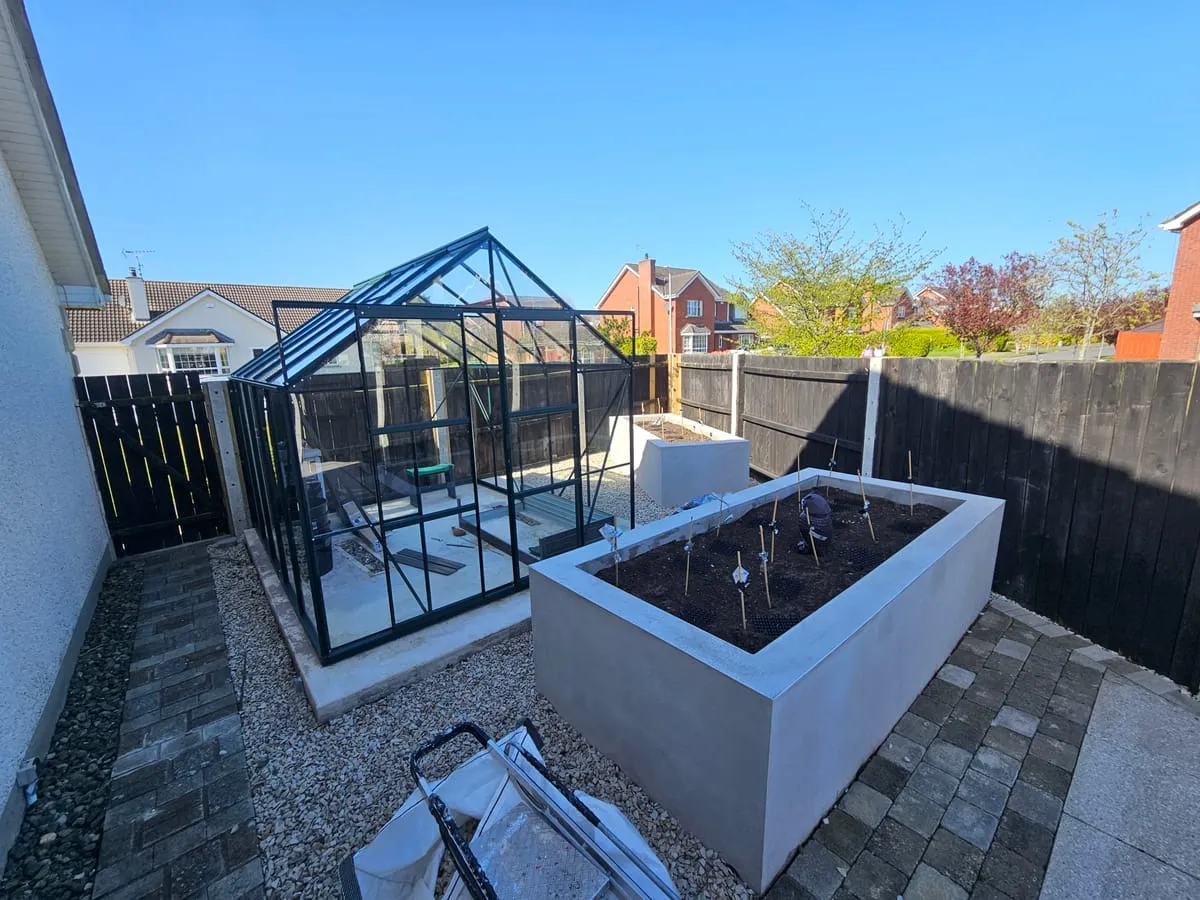
Decking steps not only serve as a functional element for your outdoor space, but they also add an aesthetic appeal, making your deck more inviting and accessible.
Incorporating a variety of decking steps ideas into your decking design can have a significant impact on the overall look and feel of your garden landscape. With proper planning and a touch of creativity, you can create a space that is both visually stunning and highly functional.

When designing your deck steps, it’s essential to consider factors such as the available space, the materials used, and the overall style of your outdoor area. The design possibilities are vast, from sleek and modern to rustic and charming.
By keeping your specific needs and preferences in mind, you can create a decking steps design that not only complements your deck but enhances the overall design of your garden space.
Key Takeaways
- Incorporate a variety of design ideas to enhance your deck’s functionality and aesthetic appeal.
- Carefully consider space, materials, and style when planning your decking steps.
- Deck steps can be tailored to suit your specific needs and preferences, creating a cohesive outdoor space.
Designing Your Deck Steps
Selecting Materials
When designing deck steps, one of the first things to consider is the choice of materials. Popular options include timber decking, composite decking, and PVC. Each material offers different benefits in terms of durability, maintenance requirements and aesthetics. For example, composite materials are known for their durability and low-maintenance, while timber decking offers a natural look and feel.
Choosing a Style
The style of your stairs is another crucial aspect to consider. Deck stairs come in various styles, such as floating steps with glass railings or curved steps with cable railings. Ultimately, the choice will depend on your personal preference and overall design vision. For a modern look, opt for sleek and minimalist designs, whereas for a more traditional look, choose a balustrade or handrail style that complements your outdoor space.
Considering Dimensions
Deck step dimensions are essential to not only ensure safety but also create a comfortable experience for users. Stair height, risers, treads, and stringers should be carefully planned based on building code requirements and your specific desires. Additionally, plan for landings in your design, as they can provide increased safety and an opportunity for intermediate resting points.
Integrating with Outdoor Space
Deck steps have the potential to enhance the overall outdoor living experience by seamlessly integrating with the surrounding space. Whether you have a patio, raised deck, or multi-level deck, make sure your stairs complement the design. For instance, consider stairs that blend well with the environment and encompass nature’s beauty.
Incorporating Lighting
Thoughtful lighting can elevate the appearance and functionality of your deck steps. Use options like LED lights, recessed lighting, strip lighting, or inlaid lighting to illuminate your stairs and create a warm ambiance in your outdoor space. Besides aesthetic value, proper lighting also increases safety by making steps visible during nighttime.
Ensuring Safety and Compliance
Safety is a critical aspect of deck step design. Adhere to building code requirements for balustrades, railings, nosing, and other safety features. For example, floating deck steps should have a secure handrail, and integrating steps into an entryway might require additional balustrades. By meeting safety standards, you ensure a comfortable and secure experience for users.
Adding Functional Features
Aside from their primary purpose, deck steps can also serve additional functions. Customize your design by incorporating elements like storage, benches, or built-in planters. Additionally, cascading steps can create an impressive effect, especially on multi-level decks.
Exploring Unique Configurations
Don’t be afraid to experiment with unique configurations, such as floating deck steps or multiple levels. This can add visual interest to your outdoor space and create a more dynamic experience for users.
Opting for Low-Maintenance Solutions
Choose low-maintenance decking materials, such as composite or PVC, to reduce the risk of rot and decay over time. Additionally, select materials that are easy to clean and maintain, ensuring your deck steps remain in top condition for years to come.
Emphasising Aesthetics with Accents
Enhance the aesthetics of your deck steps through accents like contrasting colours, planting schemes, climbing plants, cobblestones or flagstones. These details can be used to reflect the surrounding architecture or add a coastal vibe, contemporary look, or other design inspiration.
Materials and Tools for Building Deck Steps
Having the right materials and tools is essential for building deck steps. Commonly used materials include timber, composite, and PVC. When selecting materials, ensure that they meet your requirements in terms of durability, appearance, and maintenance needs. Using the appropriate tools, such as measuring tape, level, and saw, will help facilitate a smooth construction process.
Deck Steps Ideas and Inspiration
Allow creativity to flow when brainstorming decking steps ideas. Customise your design to reflect your personal style and preferences to create a visually stunning and functional outdoor space.
Frequently Asked Questions
What materials are recommended for building durable deck steps?
When it comes to selecting materials for deck stairs, durability and aesthetics are key considerations. It is important to choose low-maintenance materials in order to ensure the stairs’ longevity. Some popular choices include composite decking, pressure-treated lumber, and hardwoods like teak or ipe. These materials are known for their durability and resistance to weather and pests.
How can one create wide deck steps for better accessibility?
Creating wide deck steps makes it easier for people of all ages and abilities to access the decking area. To achieve this, consider extending the width of the treads or creating multiple tiers of steps, allowing for a more gradual incline. Adding a platform or a landing partway through the steps can also enhance accessibility and safety.
What are the guidelines for determining the correct height for decking steps?
Determining the correct height for decking steps is crucial for ensuring the safety and comfort of those using the stairs. To calculate the appropriate step height, use the total rise of the staircase (the distance from the ground to the top of the deck) and divide it by a comfortable riser height, usually between 150 and 200 mm. This will give you the number of steps needed. Ensure each step has a consistent height to prevent trip hazards.
Which design principles are best for constructing corner deck stairs?
For corner deck stairs, consider wraparound steps or spiral staircases to create a smooth transition between the different levels of the deck. These designs can save space and add visual interest to the outdoor area. It is important to ensure the substructure is both strong and secure with appropriate joists to support the added complexity of a corner staircase (source).
What should be placed underneath deck steps to ensure stability?
Using a solid and level foundation underneath deck steps is vital for stability. This may include a concrete pad, gravel, or compacted soil to provide even support. Additionally, using solid risers can prevent soil erosion or water runoff from undermining the steps over time. Ensuring appropriate drainage is in place is also important to prevent damage to the steps or surrounding area.
What considerations are important when choosing stringers for deck stairs?
Choosing stringers (the structural support for stair treads) is an essential aspect of deck stair construction. Factors to consider include the material, width and depth, as well as the number of stringers required for the given stair width. It is recommended to use pressure-treated wood or metal stringers for durability. Ensure the stringers are spaced evenly and supported properly to provide adequate strength to the stair treads.