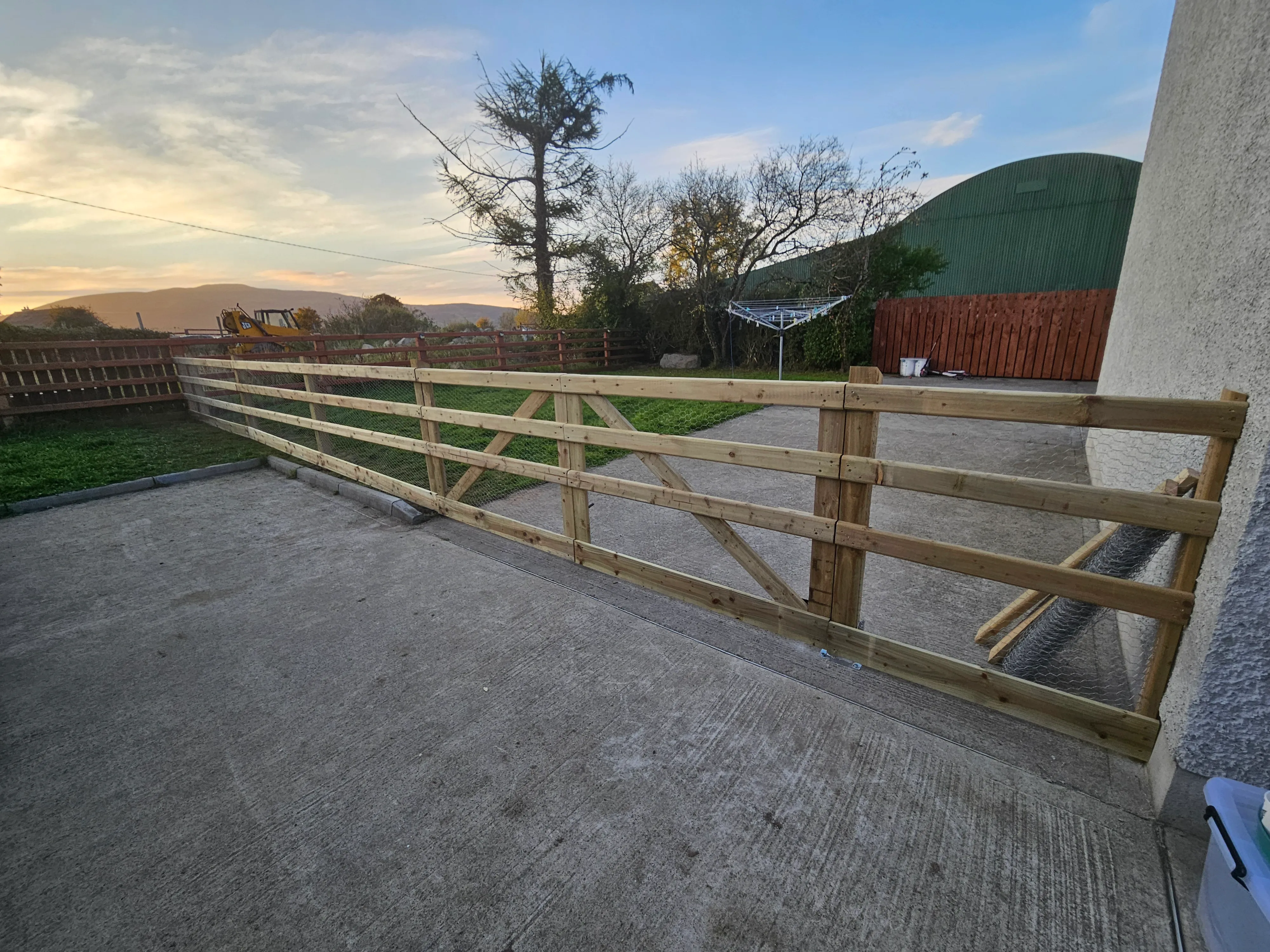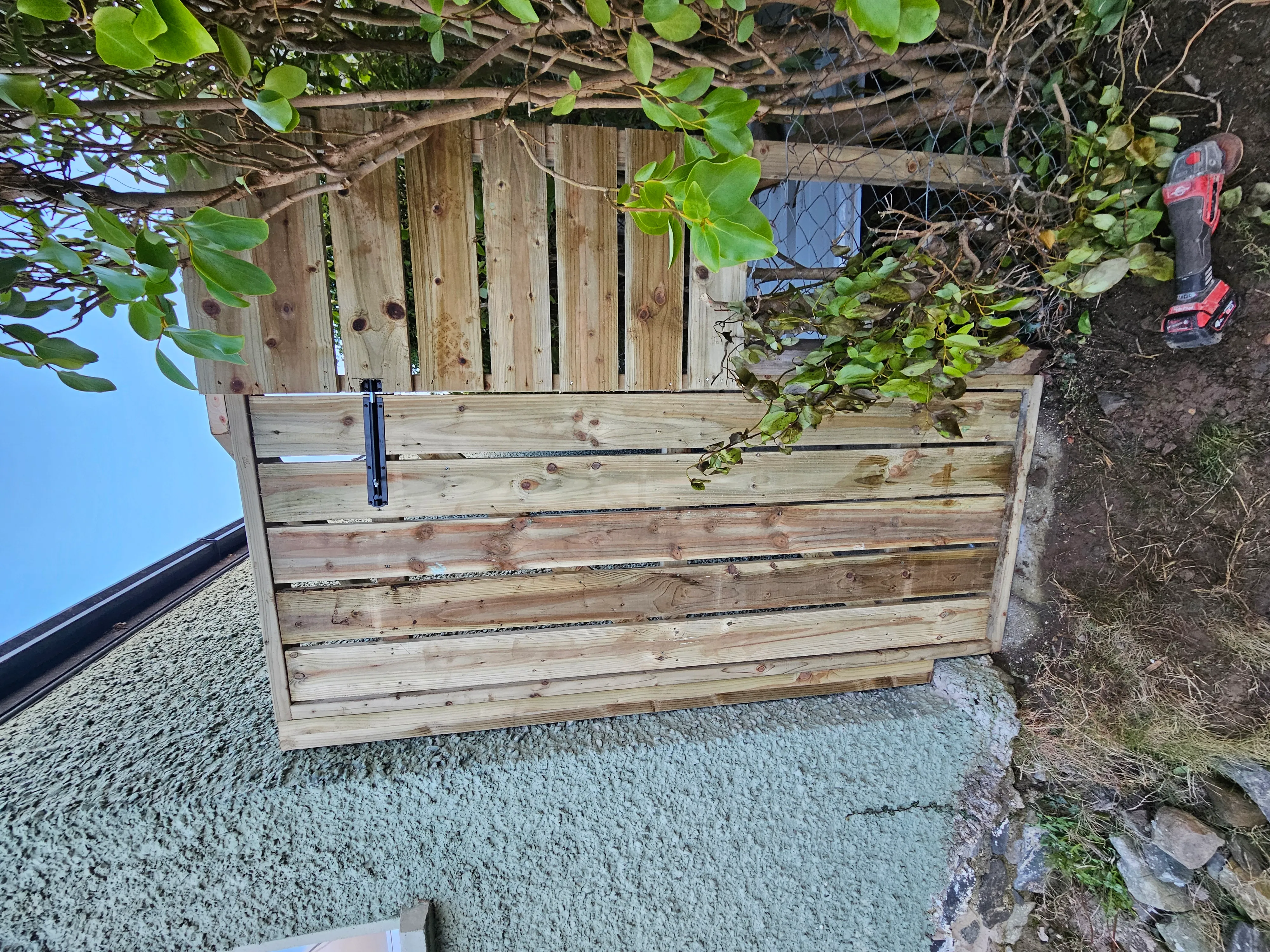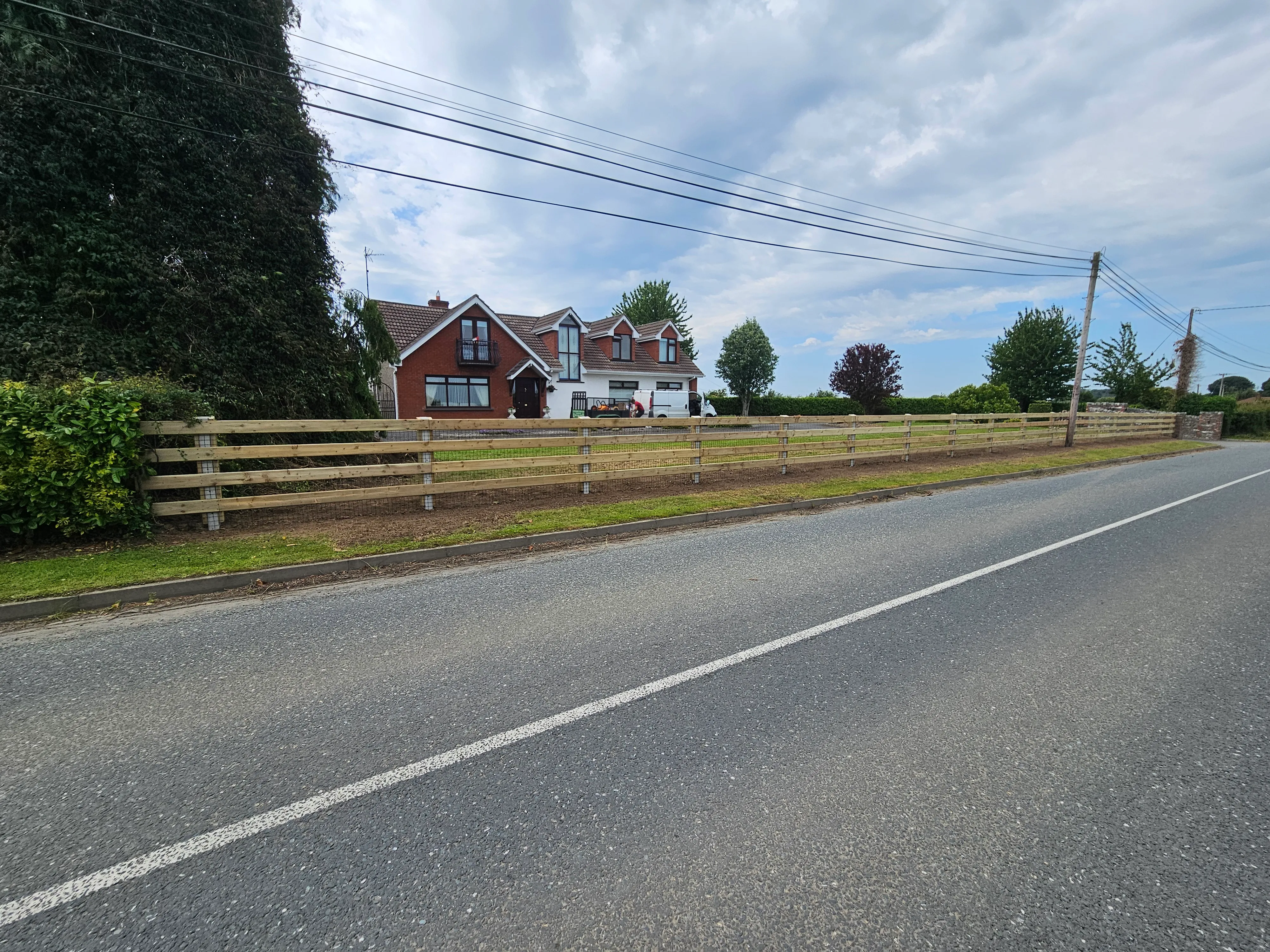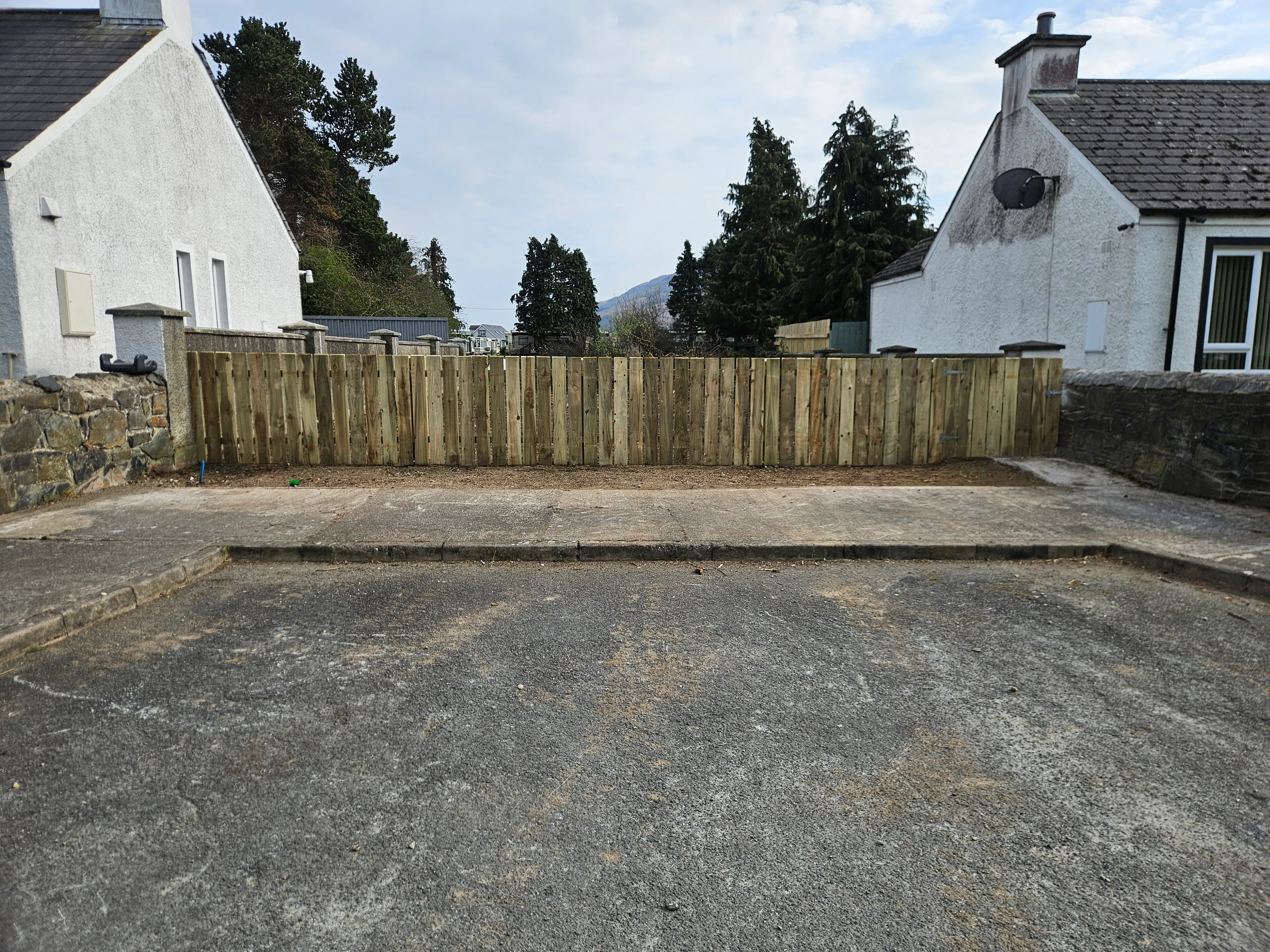
Privacy is one of the most common requests we get from homeowners across County Louth. Whether it is overlooking from a neighbour, a busy road running alongside the garden, or a new housing development that has suddenly brought houses closer together, the desire for a screened, private outdoor space is entirely understandable.
There are several ways to achieve it. Some involve fencing, some involve planting, and the best solutions often combine both. Here is a practical rundown of what actually works in Irish gardens.
Solid Panel Fencing
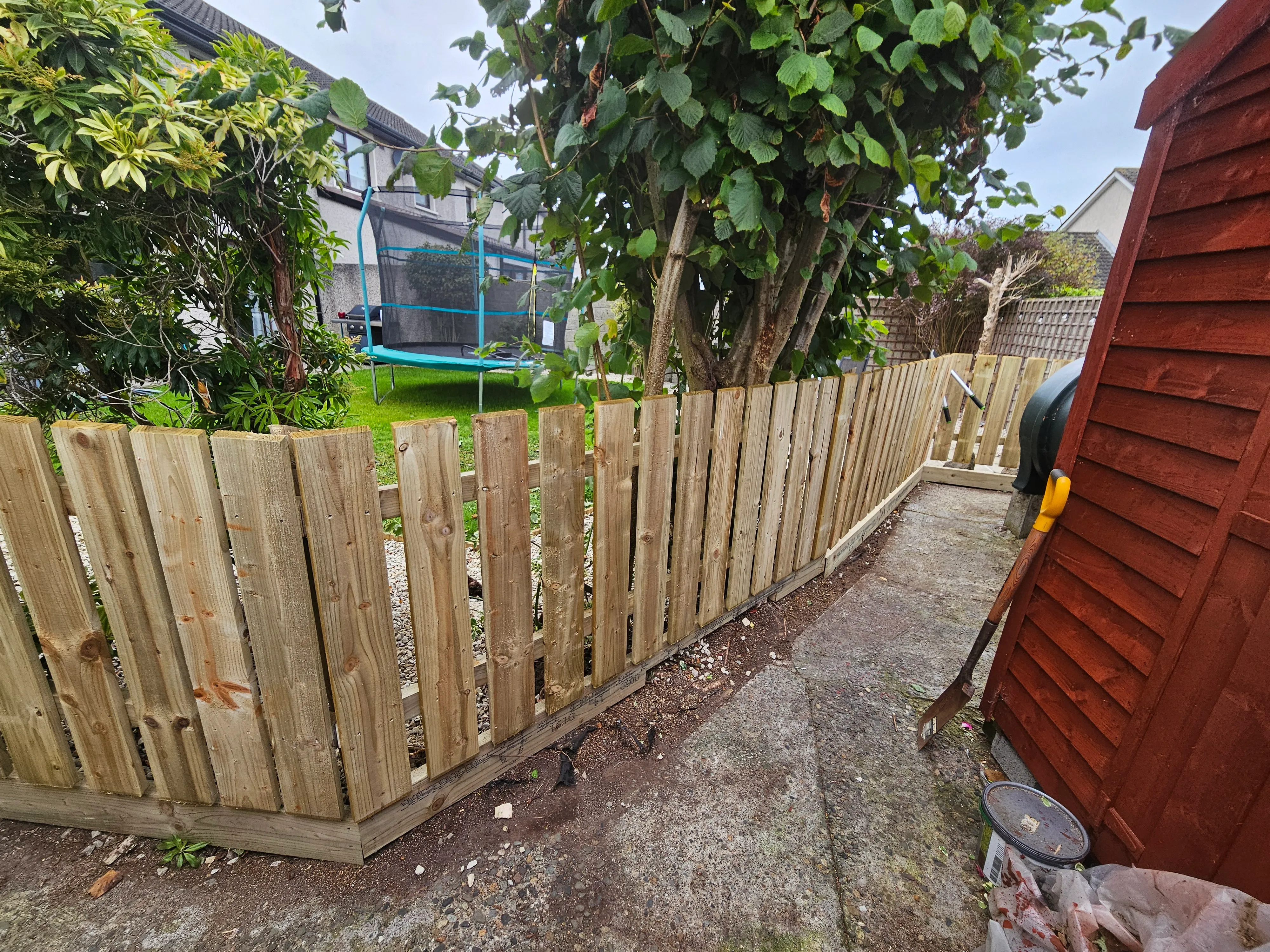
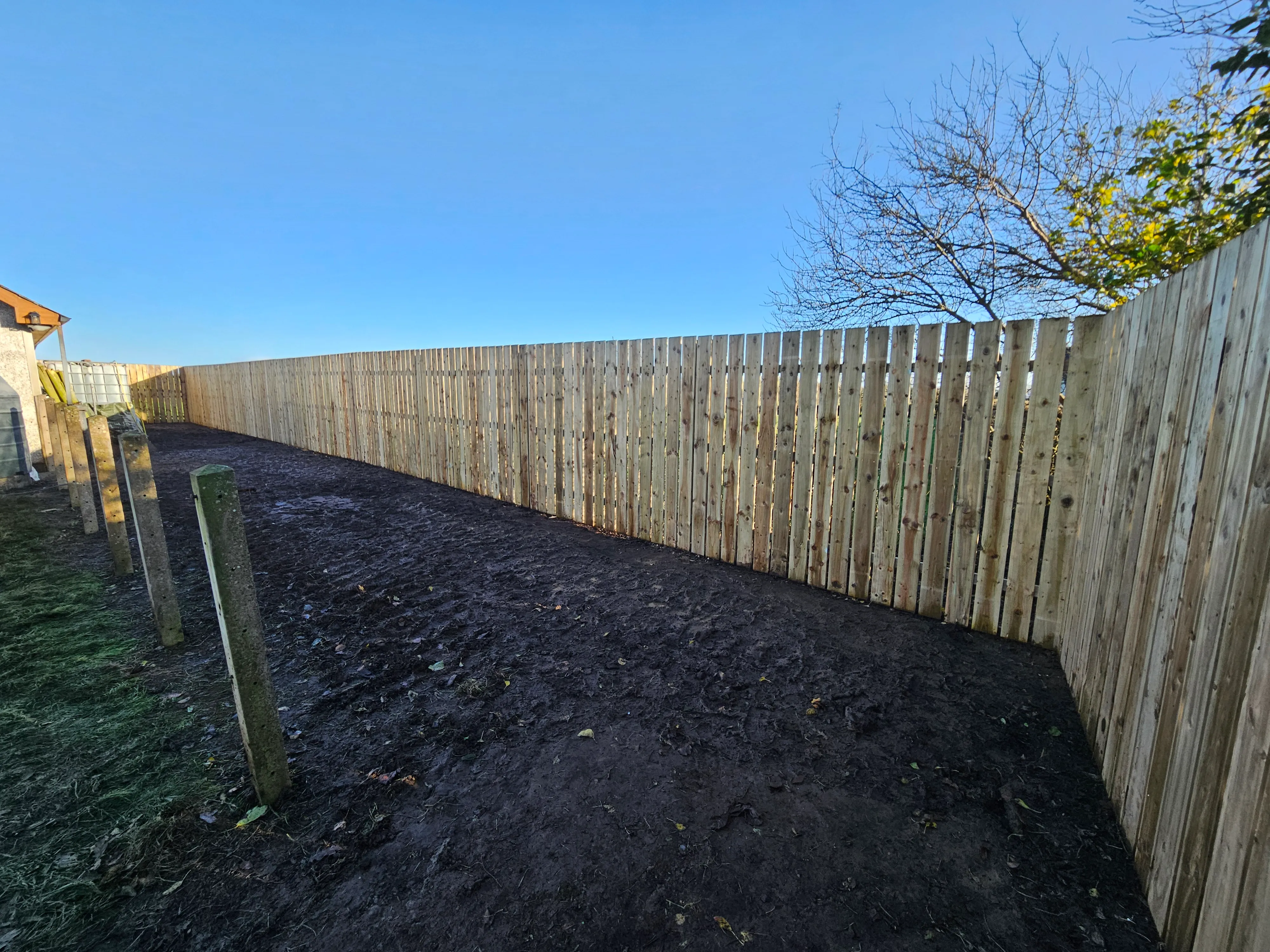
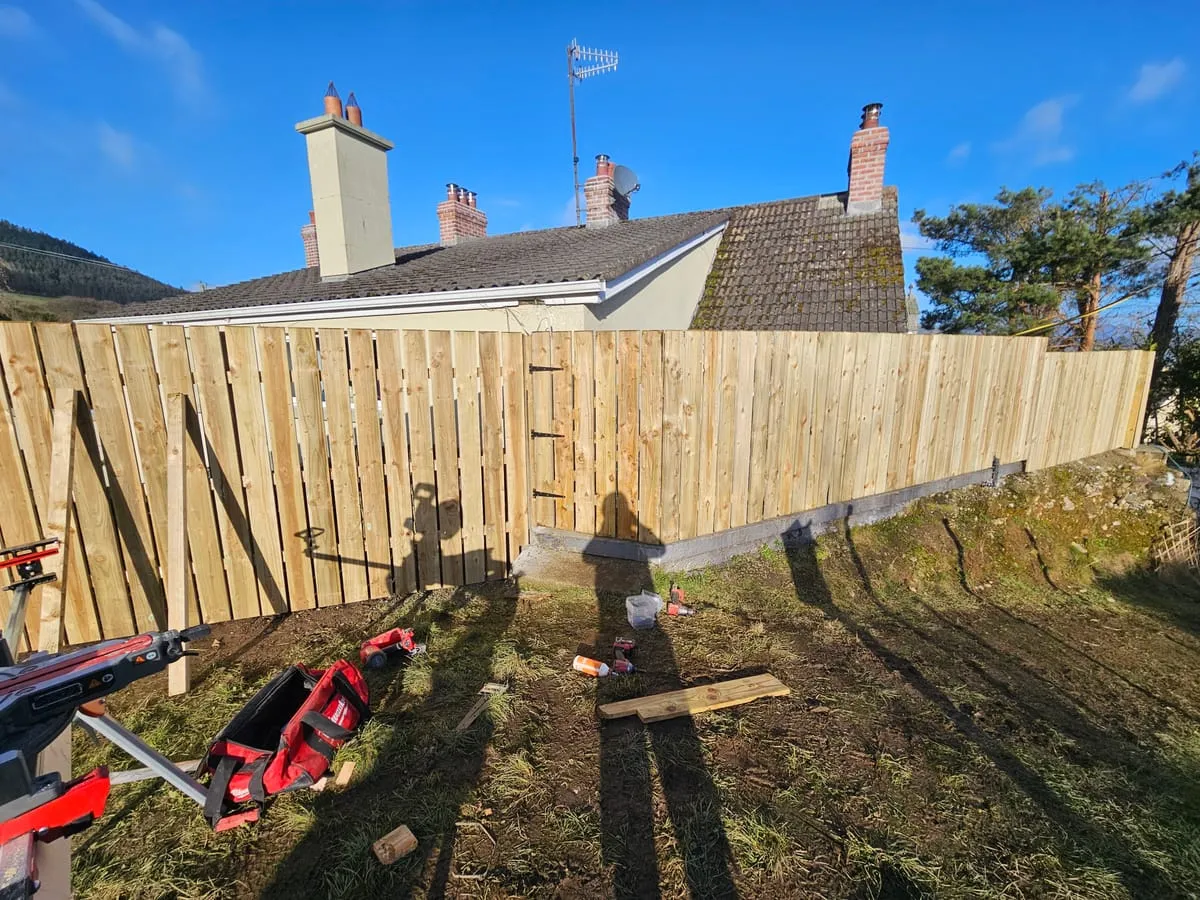
A close-board or solid panel fence is the fastest way to gain privacy. It can be installed in a day or two, provides full screening from the moment it goes up, and is available in a range of heights. For most residential gardens in Ireland, a 1.8-metre fence provides adequate privacy without requiring planning permission (see the FAQ section below for the rules on this).
Feather-edge close-board fencing is the most durable solid panel option. The boards overlap slightly and are fixed to horizontal arris rails, which means individual boards can be replaced if they deteriorate rather than having to replace the whole section. It also handles wind better than a flat solid panel because there is slightly more give in the structure.
Composite fencing, made from a mix of recycled wood fibre and plastic, is increasingly popular. It looks similar to timber, does not require annual treatment, and has a significantly longer lifespan. The upfront cost is higher but the maintenance cost over ten to fifteen years is considerably lower than treated softwood.
For professional fencing installation in County Louth, we work with both materials and can advise on which suits your specific situation and budget.
Trellis and Climbing Plants
A fence topped with trellis, combined with climbing plants, gives you screening with a softer appearance than a solid barrier. The trellis can add 300 to 600mm to the effective height of a fence while keeping the total below the threshold that requires planning permission, depending on your circumstances.
Good climbing plants for Irish conditions include clematis, climbing roses, and honeysuckle for flowering coverage, or ivy and Virginia creeper where faster dense coverage is the priority. All of these establish within one to two growing seasons and require only basic annual pruning to keep them under control.
One thing to watch: heavy climbers on poorly constructed trellis sections will pull the whole structure down in a storm. The trellis needs to be fixed securely to posts, not just stapled to the top of a panel.
Hedging for Privacy
A well-established hedge provides better privacy than any fence, but it takes time. The commonly used Leylandii grows quickly but can become a significant problem if not managed carefully. Its growth rate of 600 to 900mm per year means it can get out of hand fast, and disputes between neighbours about Leylandii height are very common. If you want a fast-growing screen without the long-term management burden, consider a laurel or photinia hedge instead. Both grow quickly, respond well to clipping, and can be maintained at whatever height suits the space.
Native hedgerow species such as hawthorn, blackthorn, and hazel grow more slowly but support significantly more wildlife. For gardens in rural parts of County Louth, a native mixed hedgerow is often the most appropriate and visually sympathetic boundary treatment.
Our hedge trimming service covers all hedge types across Dundalk and the wider county.
Screens, Pergolas, and Overhead Structures
For gardens that are overlooked from above, such as properties near apartment blocks or on sloping ground where a neighbour’s house sits higher, a fence alone will not solve the problem. An overhead pergola or sail shade positioned over a seating area provides the screening you need while creating a defined outdoor room at the same time.
Horizontal slatted screens at a 45-degree angle can also provide effective privacy from specific sightlines while still allowing light and air to pass through. These work particularly well as a boundary treatment between two gardens where a full solid fence would feel oppressive from both sides.
Planning Permission and Irish Rules
Most garden fencing does not require planning permission in Ireland, but there are important exceptions. A fence at the front of a house (between the house and a public road) must not exceed 1.2 metres in height without planning permission. At the side and rear of a house, the limit is 2 metres.
In addition, if your property is in a housing estate where there are conditions attached to the planning permission restricting fencing types or heights, you will need to check those conditions before proceeding. Deed of condition restrictions are separate from planning law but equally binding.
If you are unsure, a quick check with Louth County Council’s planning department before you proceed is always worthwhile.
Best Privacy Fence Types for Irish Weather
Ireland’s combination of heavy rainfall, persistent damp, and occasional severe storms means fence material choice matters more here than in drier climates.
Pressure-treated softwood with concrete posts is the most practical and reliable combination for most Irish gardens. The concrete posts eliminate the biggest weakness of timber fencing in our climate, which is rot at ground level where the post sits in damp soil. The timber boards themselves, pressure-treated with tanalith or similar preservative, will last 15 to 20 years with minimal maintenance. Applying a wood preservative every two to three years extends this further.
Composite fencing is worth considering if you want something that needs almost no maintenance. It doesn’t rot, doesn’t need painting or treating, and holds up well in wet conditions. The cost is roughly double that of treated softwood, but you won’t spend anything on upkeep over its 25-year-plus lifespan.
Horizontal slatted fencing is the best option for exposed gardens. The gaps between slats allow wind to pass through rather than building pressure against the panels. In coastal areas around Carlingford and along the Cooley Peninsula, this is often a better long-term investment than solid panels that risk being brought down in winter storms.
Privacy Fencing Costs in Ireland
Costs vary depending on materials, fence height, ground conditions, and access, but as a rough guide for County Louth in 2026:
- Close-board timber fencing with concrete posts (1.8m): around EUR 80 to EUR 110 per metre, supplied and fitted
- Composite fencing (1.8m): around EUR 140 to EUR 180 per metre, supplied and fitted
- Horizontal slatted panels with concrete posts: around EUR 100 to EUR 140 per metre, supplied and fitted
- Trellis topper added to an existing fence or wall: around EUR 30 to EUR 50 per metre
These prices include posts, panels, and installation. Ground conditions matter: if concrete post holes need to be dug through rock or heavy clay, or if old fence removal is involved, costs may be higher. For an accurate quote based on your specific garden, get in touch for a free site visit.
For a broader look at screening options including hedging, trellis, and bamboo panels, see our guide to garden screening beyond fencing. If you’re considering leylandii specifically, read our guide on leylandii height rules before committing.
Frequently Asked Questions
What is the best fence for privacy in a windy location?
Close-board feather-edge fencing generally handles wind better than solid panel fencing because air can pass through the small gaps between boards. In very exposed locations along the Cooley Peninsula or near the coast, a combination of fence and dense hedging is more resilient than fencing alone.
How long does a timber privacy fence last in Ireland?
A properly installed, pressure-treated timber close-board fence typically lasts 15 to 20 years with basic maintenance. Annual treatment with a timber preservative significantly extends the lifespan. Concrete posts rather than timber posts further reduce the risk of premature failure at the base.
Do I need planning permission for a 6-foot fence in my back garden?
A 6-foot (approximately 1.8 metre) fence at the rear or side of a house is within the permitted development limits in Ireland and does not require planning permission in most cases. Front garden fences are limited to 1.2 metres. Always check if your estate has specific deed or planning conditions that apply.
How much does a privacy fence cost in Ireland?
For a standard 1.8-metre close-board timber fence with concrete posts, expect to pay around EUR 80 to EUR 110 per metre supplied and fitted. Composite fencing costs more upfront at EUR 140 to EUR 180 per metre but requires no ongoing maintenance. A typical rear garden boundary of 15 to 20 metres would cost roughly EUR 1,200 to EUR 2,200 for timber or EUR 2,100 to EUR 3,600 for composite, including installation.
Can my neighbour put up a fence without asking me?
In Ireland, a property owner can erect a fence on their own land without their neighbour’s permission, provided it meets planning regulations (2 metres maximum at rear, 1.2 metres at front). If the fence sits on a shared boundary, it’s advisable to discuss it first, though there’s no legal requirement to do so. Check your property deeds for any boundary agreements or estate covenants that may apply.
For fence and privacy screen installation across Dundalk, Ardee, Omeath, Carlingford, and all of County Louth, contact Seamus and Pete for a free quote.