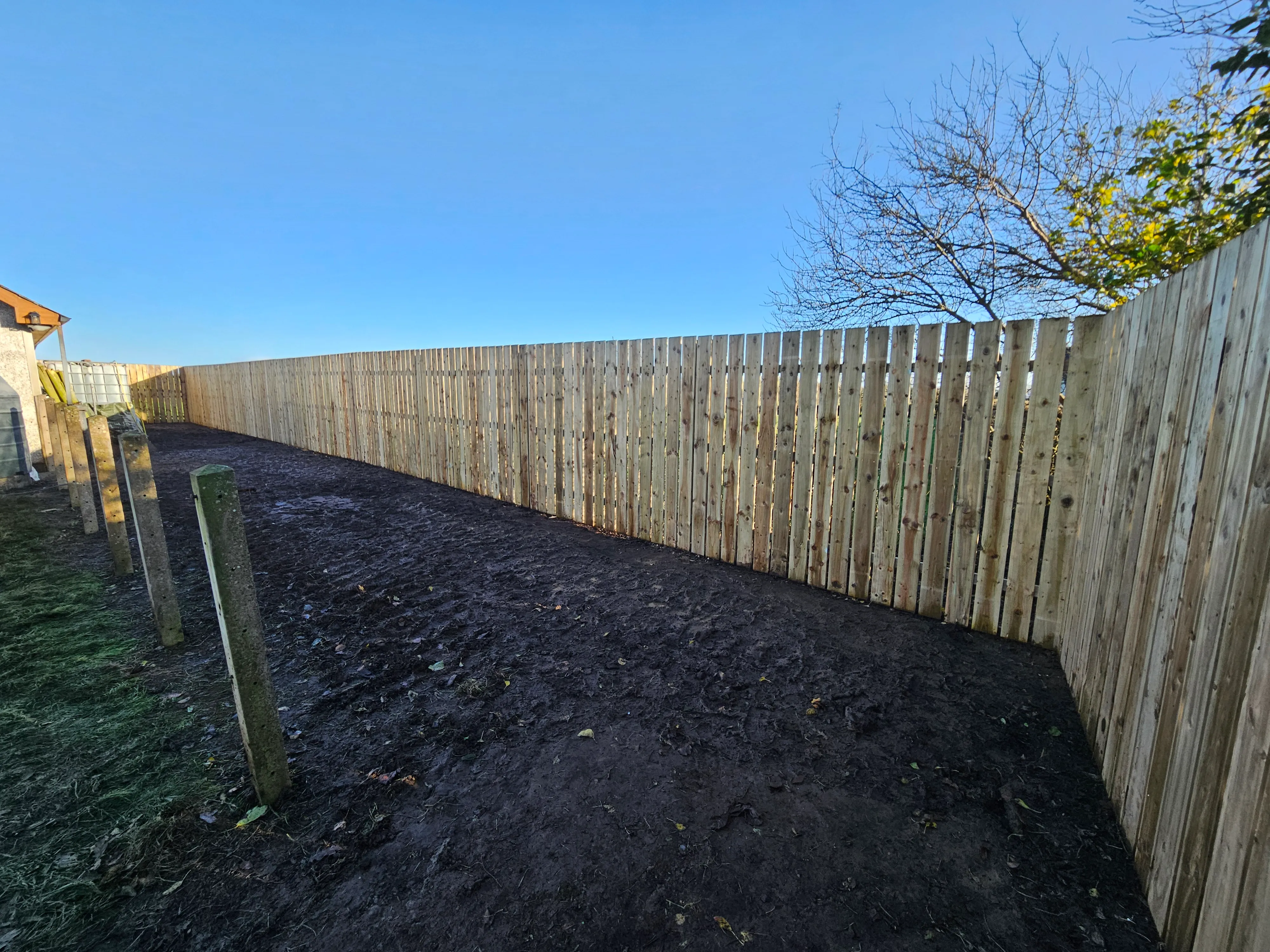
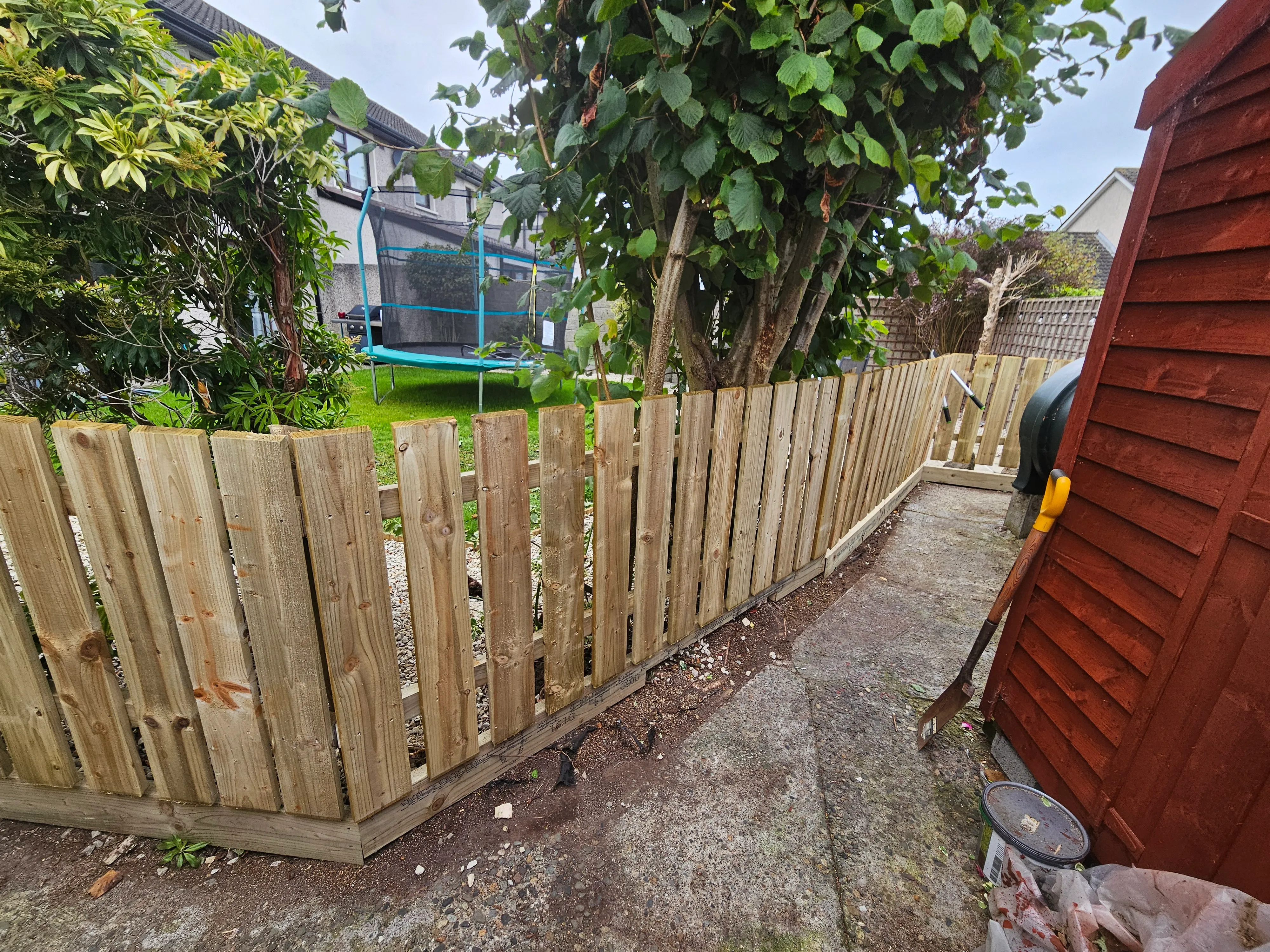
One of the most common questions we get asked is how long a new garden fence should last. It is a fair question — a fence is a significant investment and you want to know you are getting good value. The honest answer is that it depends on several factors, from the type of fence to the posts it sits on, and how well it is looked after.
We have been installing and repairing fences across Dundalk and County Louth for over 35 years, and we have seen fences that lasted 5 years and others that are still standing strong after 25. Here is what makes the difference.
Typical Fence Lifespans in Ireland
As a general guide, here is what you can expect from the most common fence types when properly installed:
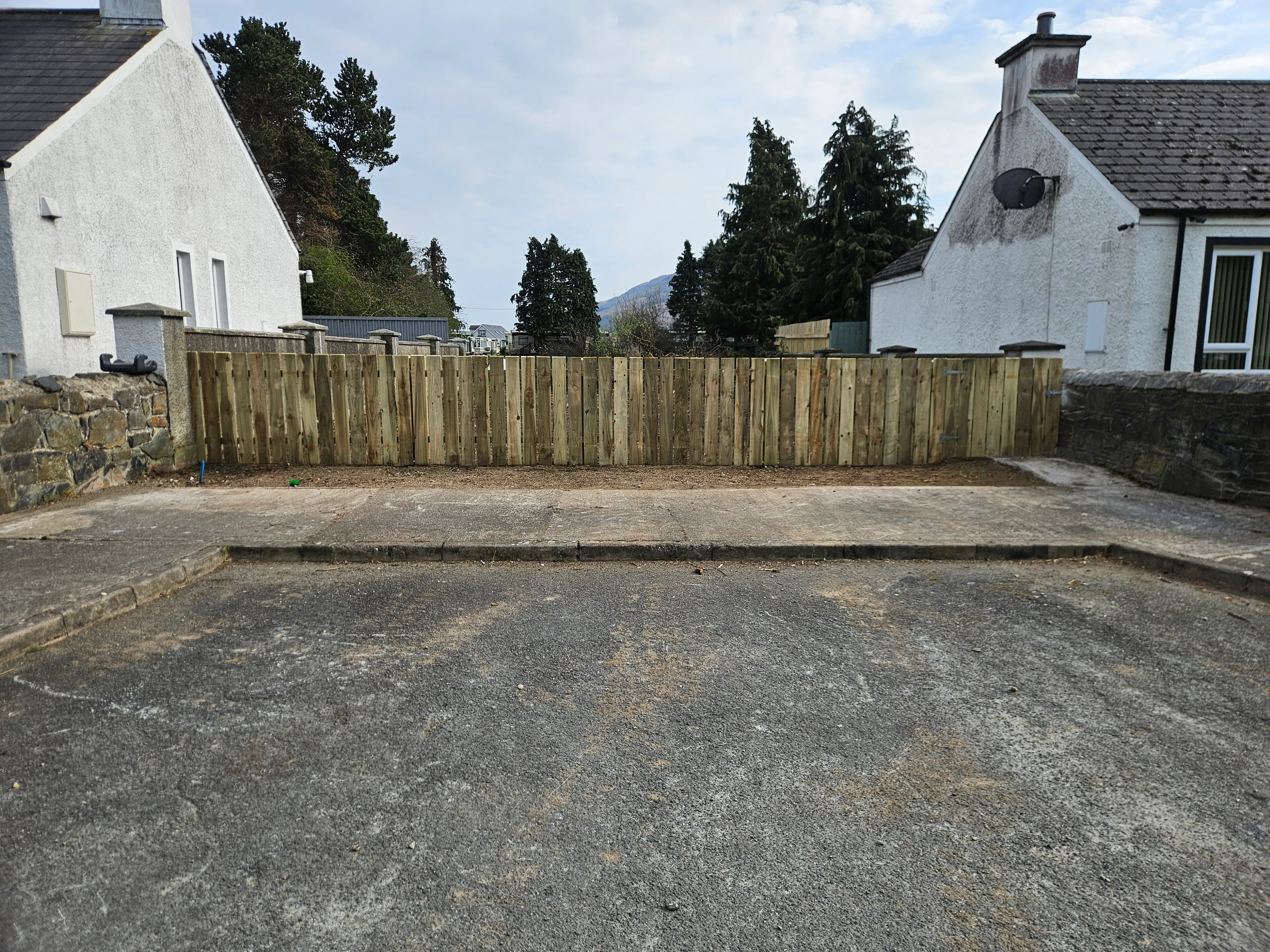
- Closeboard (featheredge) fencing: 20 to 25 years
- Lap panel fencing: 10 to 15 years
- Hit-and-miss fencing: 20 to 25 years
- Picket fencing: 15 to 20 years
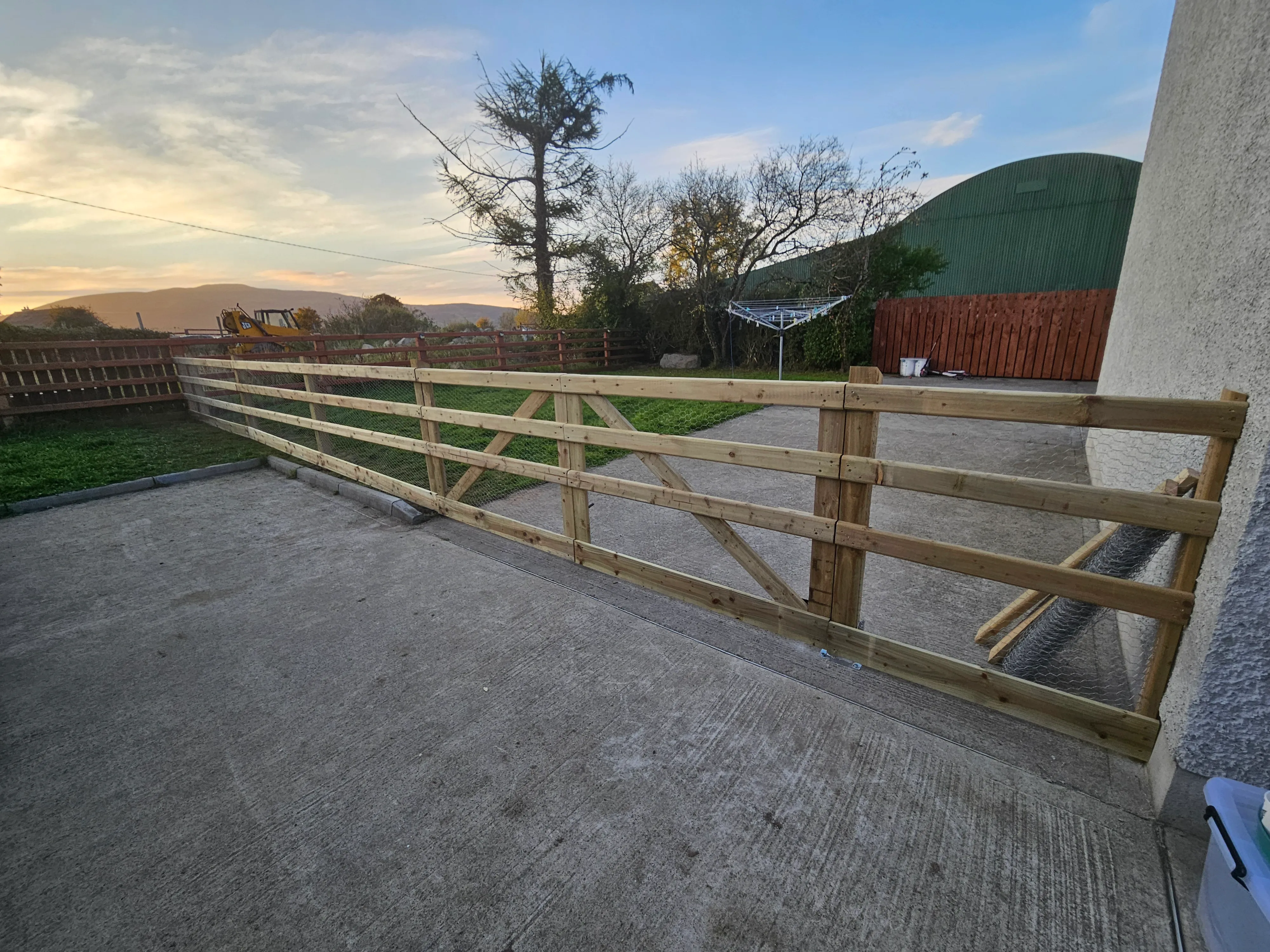
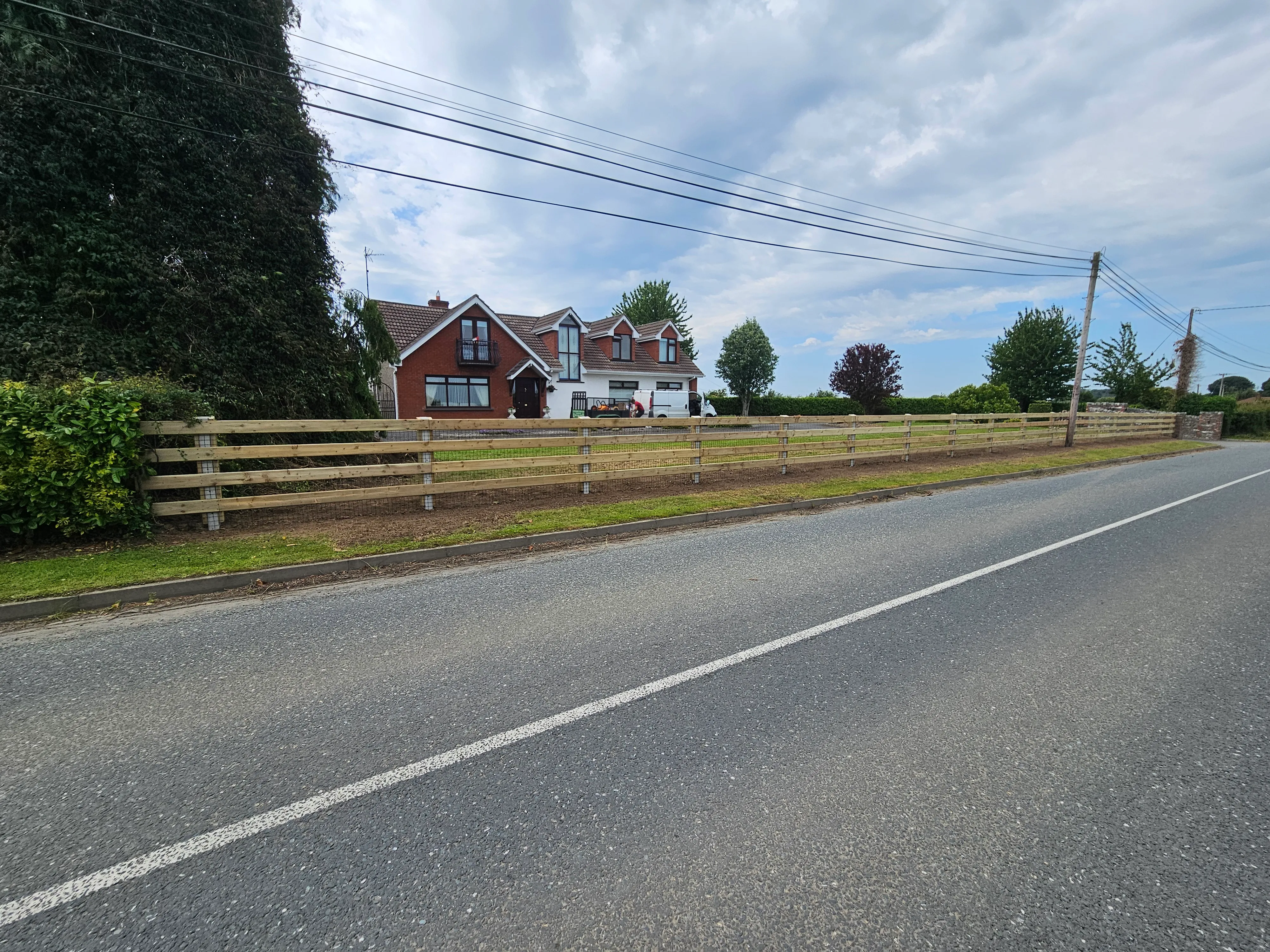
- Post and rail fencing: 15 to 20 years
These figures assume the fence is built with quality materials, installed correctly, and given at least basic maintenance. A poorly installed fence using cheap materials could fail in half the time.
What Affects How Long Your Fence Lasts
The Quality of the Timber
Not all fencing timber is equal. The main thing to look for is how well the timber has been pressure-treated. Properly pressure-treated softwood has preservative forced deep into the grain, giving it far better protection against rot and insect damage than timber that has simply been dip-treated or brush-coated.
When we source timber for our fencing projects, we always use pressure-treated materials. The colour difference is usually obvious — pressure-treated timber tends to have a green or brown tinge that goes right through the wood, while dip-treated timber only has colour on the surface.
The Type of Posts
The posts are the foundation of any fence, and they are usually the first part to fail. Timber posts rot at ground level where they sit in damp soil, and once a post gives way, the whole section can come down.
This is why we strongly recommend concrete posts for most fencing jobs. Concrete posts will outlast the fence panels by decades. If you prefer the look of timber posts, make sure they are at least 4x4 inch treated posts set in postcrete, with 2 feet of the post below ground for a standard 6-foot fence.
Ground Conditions
Waterlogged ground will rot timber posts and gravel boards much faster than well-drained soil. If your garden tends to hold water, concrete posts and concrete gravel boards are especially important. In parts of County Louth where the ground is heavy clay, we see this issue regularly.
Raising the timber off the ground with concrete gravel boards is one of the simplest and most effective ways to extend the life of your fence. A gravel board keeps the bottom of the timber panels or boards away from the damp soil, preventing the rot that typically starts at the base.
Exposure to Wind
Wind is the single biggest threat to fences in Ireland. We see more fences brought down by storms than by rot. The more exposed your garden is, the more stress your fence will take over the years.
Solid panel fences catch the wind like a sail. If your property is in an exposed location — on a hill, near the coast, or at the end of a row of houses — a hit-and-miss or slatted style fence will handle the wind far better than a solid panel.
Maintenance
A fence that gets some basic care will last significantly longer than one that is ignored. This does not mean hours of work every year, but a few simple tasks make a real difference:
- Treat the timber with a quality fence treatment or wood preserver every 2 to 3 years
- Clear soil, leaves and vegetation away from the base of the fence so air can circulate
- Fix small problems early — a loose board or wobbly post is quick to repair but will cause bigger damage if left
- Check after storms for any panels that have shifted or posts that have moved
The Quality of Installation
How a fence is installed matters just as much as the materials used. Posts need to be set at the right depth, properly braced, and securely fixed. Panels or boards need to be fitted correctly so they do not rattle or work loose in the wind.
A fence that is thrown up in a hurry will not last as long as one that is installed carefully. This is one area where it really does pay to have experienced hands doing the work.
How the Irish Climate Affects Your Fence
The Irish climate is particularly tough on fences. We get a lot of rain, persistent damp conditions, and regular storms — especially between October and March. Coastal areas around Dundalk Bay also deal with salt-laden winds that can accelerate corrosion of fixings and break down timber treatments faster.
The combination of constant moisture and mild temperatures also creates ideal conditions for fungal growth and rot. Timber that might last 25 years in a drier climate could struggle to reach 15 in a damp, sheltered Irish garden where air circulation is poor.
This is not to say you cannot get a long-lasting fence in Ireland — you absolutely can. But it does mean that material quality, proper installation, and basic maintenance matter more here than in drier climates.
Signs Your Fence Is Reaching the End of Its Life
Keep an eye out for these warning signs:
- Posts are soft or spongy at ground level — this means rot has set in and the post could fail in the next storm
- Panels are warped, split, or sagging — minor warping is normal, but significant sagging means the panel is weakening
- Boards are crumbling when you press them — the timber has lost its structural integrity
- The fence is leaning — this usually means one or more posts have failed below ground
- Fixings are rusted through — corroded nails and screws lose their holding power
If you are seeing one or two of these issues on an otherwise sound fence, a repair may be all you need. If the problems are widespread, it is usually more cost-effective to replace the fence rather than patch it section by section.
How to Get the Most Years from Your Fence
Based on our experience, here is a summary of what gives a fence the best chance of a long life in Ireland:
- Use pressure-treated timber from a reputable supplier
- Choose concrete posts or high-quality treated timber posts
- Always fit concrete gravel boards along the base
- Consider hit-and-miss or slatted fencing for exposed locations
- Apply fence treatment every 2 to 3 years
- Keep vegetation clear of the fence base
- Repair small problems promptly before they become big ones
- Have the fence installed properly by experienced fencers
Talk to Us About Your Fencing
Whether you are thinking about a new fence or wondering if your current one has a few more years left in it, we are happy to give you an honest opinion. Seamus and Pete have been working on fences across Dundalk, Drogheda, and County Louth for over 35 years, and we will always tell you straight whether a repair will do or if replacement is the better option.
See our fencing installation and repair services for details on what we offer, or call us on 085 168 5170 for a free, no-obligation chat. We will take a look at your fence and give you practical advice you can trust.