A good garden path does two things: it gets you where you need to go without churning up the lawn, and it contributes to the overall look of the garden. A poorly chosen or badly laid path does neither. It becomes a trip hazard, a weed trap, or a muddy streak through the grass within a season or two.
Ireland’s wet winters are unforgiving on garden surfaces. Material choice and proper installation matter more here than in a drier climate. Here is a practical guide to the options that work well.
Natural Stone Paths
Natural stone, particularly sandstone, limestone, and slate, makes for the most attractive and durable garden paths. In County Louth, we lay a lot of sandstone because it gives a warm, natural appearance that suits both older and newer properties. It is also non-slip when textured correctly, which is important given how much rain Irish gardens receive.
The key to natural stone paths that last is the sub-base. Stone laid directly on soil will settle, shift, and become uneven within a year or two. A well-compacted sub-base of MOT Type 1 aggregate, followed by a sharp sand or mortar bed, is what keeps the surface stable over time. Properly bedded stone paths should last twenty to thirty years without significant issues.
Pointing between the slabs is equally important. Unsupported edges and open joints allow water to get underneath, which accelerates settlement. Brush-in polymeric jointing compound is more flexible than traditional mortar and handles freeze-thaw cycles better, making it the better choice for Irish conditions.
For paths that form part of a larger patio and paving project in Dundalk or County Louth, stone creates a cohesive look when the same material is used across both areas.
Block Paving Paths
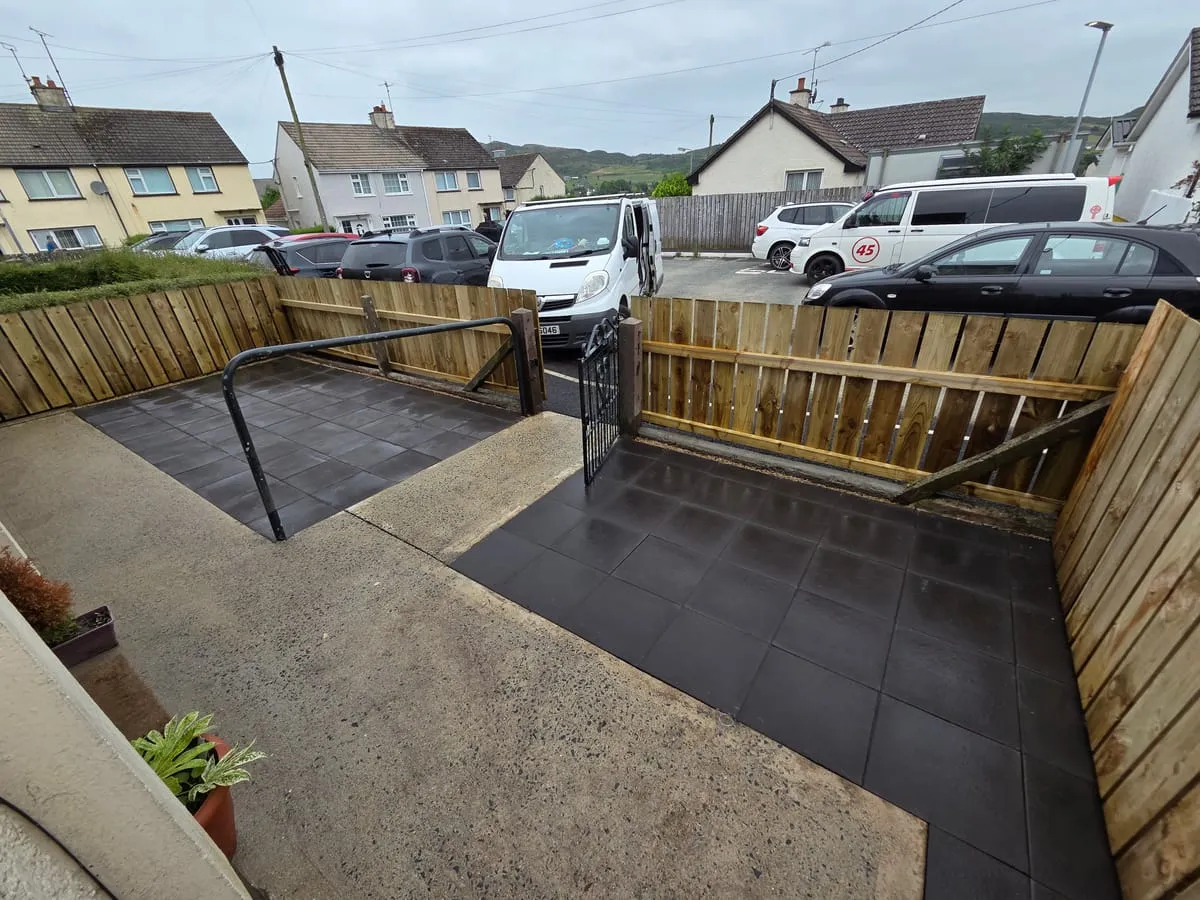
Block paving is a popular choice for paths alongside driveways and around the perimeter of houses. It is durable, relatively straightforward to repair (individual blocks can be lifted and replaced), and allows surface water to drain through the joints.
The main disadvantage of block paving for garden paths specifically is that the joints attract weeds. In a sheltered, partly shaded pathway, moss and weeds will establish in the jointing sand within a season or two. Regular brushing and a seasonal application of path weed killer manages this, but it adds to the maintenance requirement.
Permeable block paving, which uses larger joint spacing filled with gravel or permeable fill, is increasingly specified on front-of-house projects where planning permission requires that driveway surfaces allow water to drain rather than run off. For garden paths where drainage is less of a planning concern, standard block paving with tight joints performs well.
Gravel and Self-Binding Paths
A gravel path is the most affordable option and the easiest to install. It drains well, requires no sub-base construction beyond levelling and edging, and can look very effective in the right setting.
The drawbacks are real though. Gravel migrates out onto lawns and borders if not contained by a solid edging. It is uncomfortable to walk on in soft-soled shoes. In a family garden with children or pets, loose gravel scattered across hard surfaces becomes a nuisance quickly.
Self-binding gravel, also called crusher run or hoggin, is a much better option where a loose-fill path is wanted. It compacts to a firm, stable surface that does not scatter underfoot and still allows drainage. It needs periodic top-dressing as it weathers and breaks down, but as a low-cost, low-maintenance path surface it performs well.
Concrete and Resin Paths
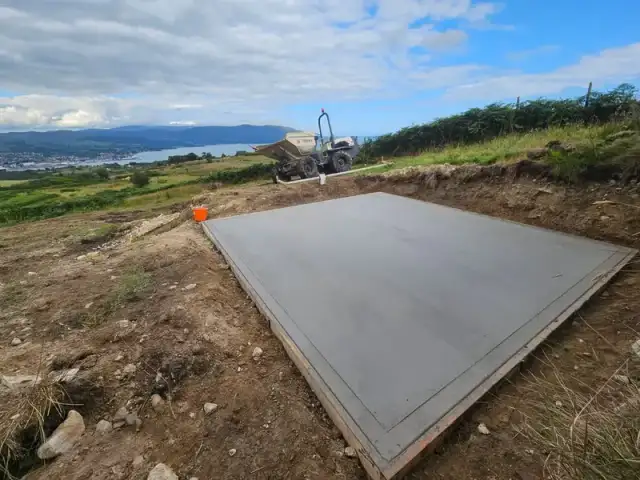
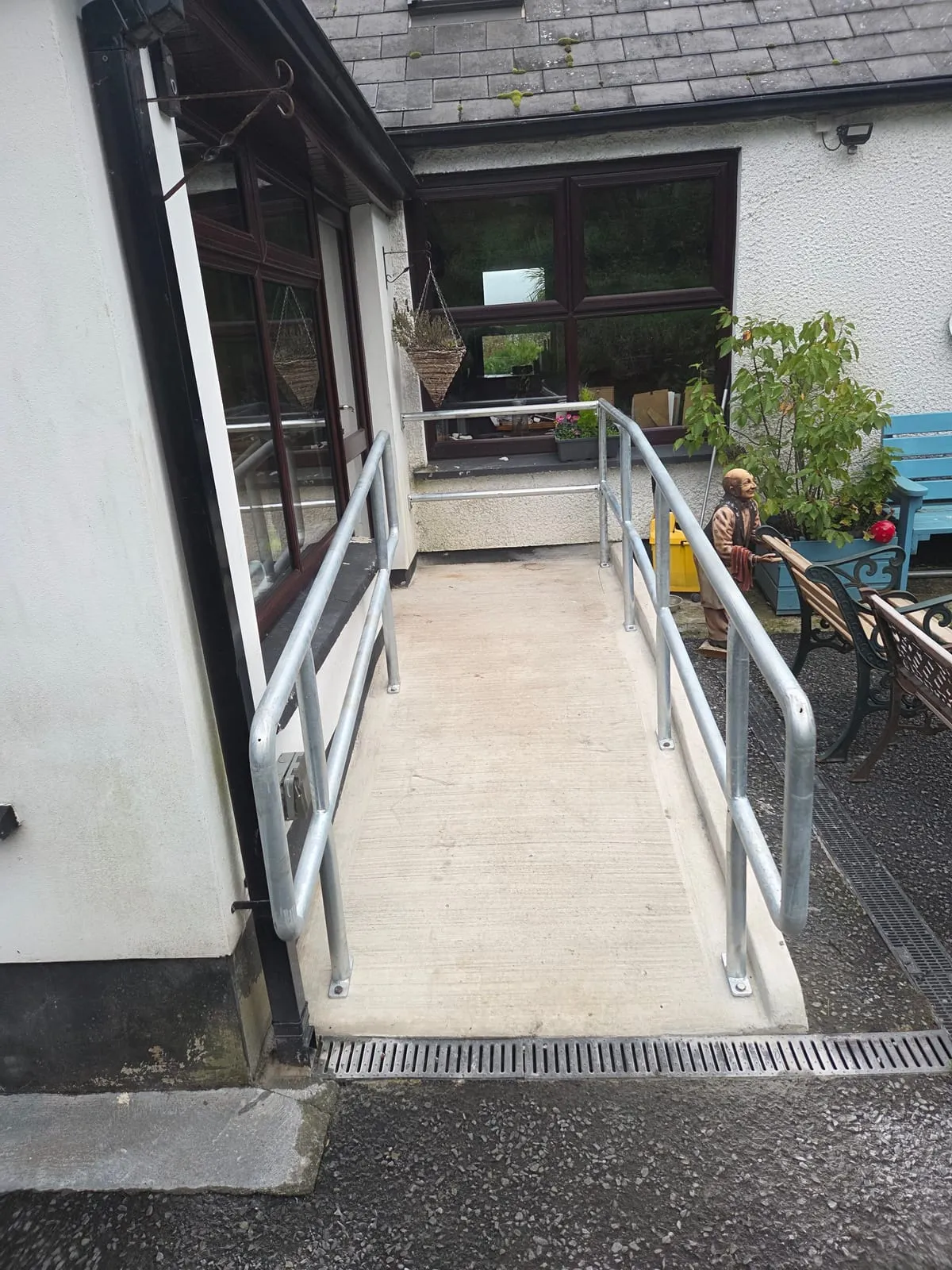
Brushed concrete paths are durable and cost-effective. In a contemporary garden design they can look very clean and intentional. Exposed aggregate concrete, where the surface is washed before it fully sets to reveal the stone within, gives a more textured, less utilitarian appearance.
Resin-bound paths are a step up from standard concrete in visual terms. Coloured aggregate is bound in a clear resin and laid to a flat, smooth finish with good drainage. The look is modern and clean. The main limitation is cost: a resin-bound path costs significantly more per square metre than stone or block paving, and is generally reserved for front-of-house projects where kerb appeal is the priority.
Layout and Width
A path that is too narrow is awkward and ends up causing more lawn damage, not less, because people walk beside it rather than on it. A minimum width of 900mm is comfortable for a single person; 1,200mm allows two people to pass comfortably. Where a path leads to a seating area or patio, a gradual widening as it approaches the destination makes the garden feel more generous and connected.
Curved paths generally feel more natural in a garden setting than straight ones, but curves add complexity and waste to stone-cutting. A gentle curve with generous radius is more achievable and looks better than an overly winding path that has no clear logic to its line.
Frequently Asked Questions
What is the best garden path material for wet conditions?
Textured natural stone with proper drainage and a solid sub-base is the best option for Irish conditions. Smooth polished stone becomes dangerously slippery when wet. Any surface that sits on inadequate foundations will settle and become uneven after the first winter.
How much does a garden path cost in Ireland?
A natural stone path typically costs between EUR 80 and EUR 150 per square metre installed, depending on the stone type and groundwork required. Block paving is generally EUR 60 to EUR 100 per square metre. Gravel paths are significantly cheaper, starting from EUR 20 to EUR 40 per square metre with edging.
Do garden paths need planning permission in Ireland?
In most cases, no. Garden paths within the boundary of a private dwelling are considered exempt development. If the path forms part of a wider paving project at the front of the house that removes more than a certain area of green space, different rules may apply. Check with Louth County Council if you are unsure.
For paving and path installation across Dundalk, Ardee, Blackrock, Omeath, Carlingford, and all of County Louth, contact Seamus and Pete for a free quote.